
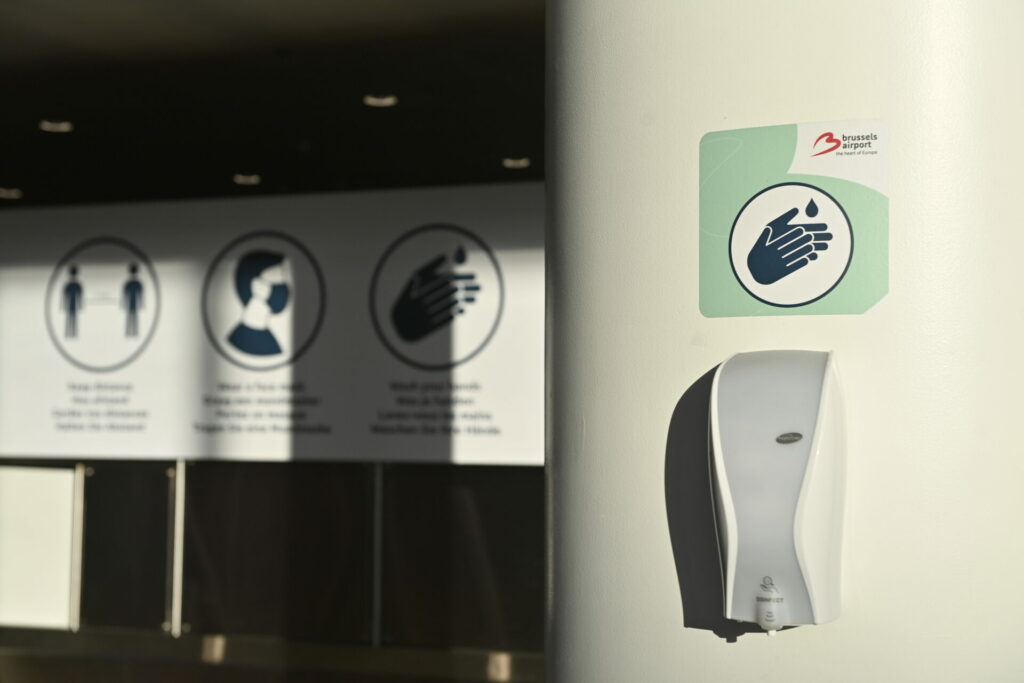
People in Belgium have given the authorities an average score of 5.5 out of 10 for their Covid-19 policy, with young people rating them particularly severely.
For many, the Covid-19 pandemic is a period in time that has long been forgotten. However, the European Social Survey has spurred people on to recall their experiences once again, specifically regarding how the crisis was managed.
Research by the KU Leuven and UCLouvain universities, based on the survey results, showed that Belgians gave their governments 5.5 out of 10 for their Covid-19 policy. With this score, Belgium ranks eighth out of 28 countries.
"It would appear that the public authorities have done fairly well, as the score is not too bad. Even compared with other European countries and our neighbours – the Netherlands scored 5.6 and Germany 5.1 – the result is decent," said Professor Bart Meuleman of KUL's Centre for Sociological Research.
As a point of reference, Iceland and Norway have the highest score at 6.7, while Bulgaria and Poland are at the bottom, with an average score of less than 4.
Poorer people not scoring less
The measures studied covered various areas such as economic aid, support for families with children and policy for the elderly in nursing homes, while factors that could influence individual satisfaction were also examined.
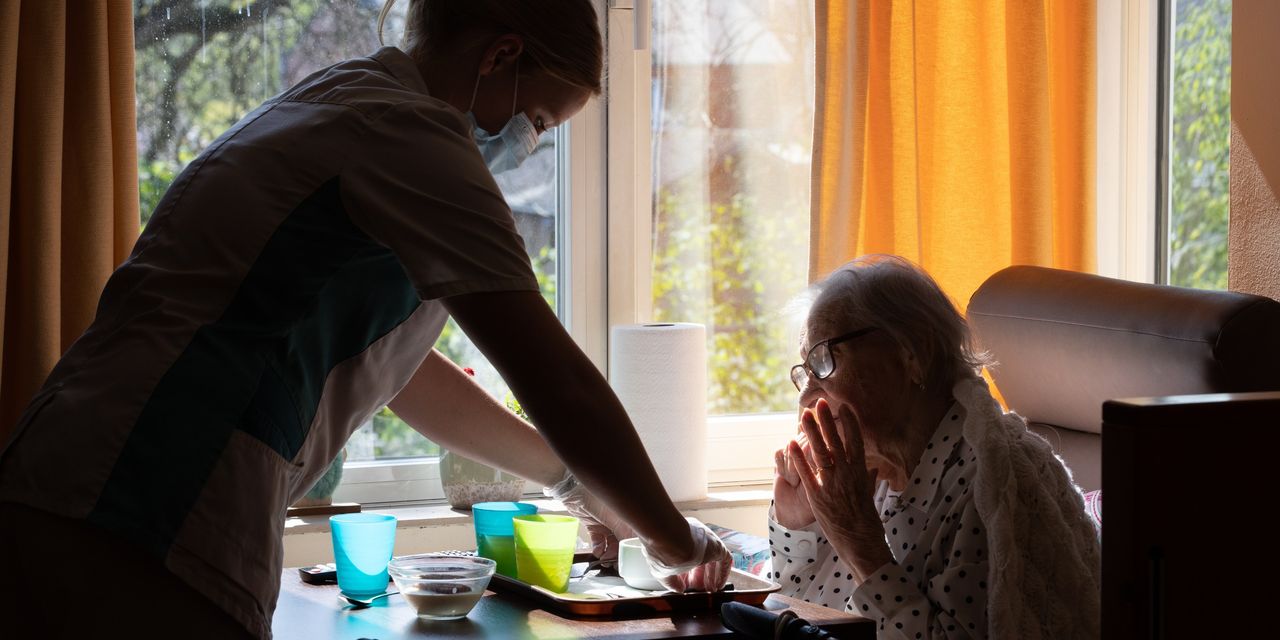
In Belgium, the various elements received very different scores: the national health system is the institution with the highest satisfaction rate among respondents (6.9) while the enormous pressure exerted on carers and the high mortality rates in residential care centres were given just 4.7 out of 10.
Credit: Belga
Around 20% of Belgians said that they had been affected economically by the pandemic but this hard-pressed group was no less satisfied with the approach adopted in Belgium.
"We can deduce from this that the financial aid measures taken by the authorities have supported people well and that the population has sufficient margin to cope with such crisis situations," said Meuleman.
Political trust essential
There were, however, regional and age differences. People in Flanders tended to be slightly more satisfied with the Covid-19 policies than Walloon citizens. Meanwhile, young people and people with little trust in politics or the integrity of scientists were especially critical of the response.
"Young people gave the policy a lower score than adults and the elderly, perhaps because the restrictions on social contacts, online education and quarantine measures had the greatest effect on their daily lives."
Meuleman argued that examining the economic and health effects of the Covid-19 crisis is very important but the social aspect should not be forgotten either, as the survey showed that citizens base their satisfaction mainly on personal beliefs and ideas rather than objective criteria about the effectiveness of measures.
Related News
- As the flu season gets underway, experts stress the need for vaccination
- Air pollution worsened slightly in Belgium after the pandemic
"The main conclusion we can take away from this for policymakers is that political trust is essential to gain public approval for measures that restrict people's freedom," Meuleman said. He added that the measures taken only have an effect if they are widely supported within the population.
"When that is not the case, polarisation and a decline in trust in political systems and democracy are at risk."
