
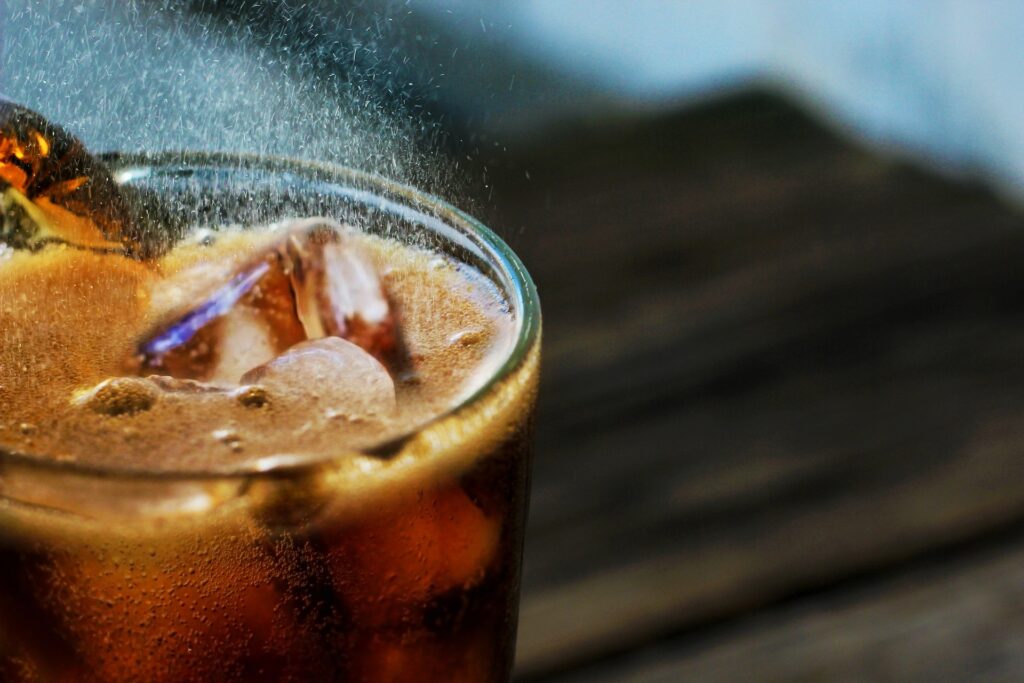
In recent years, there has been a surge in the popularity of artisanal, locally produced alternatives to mainstream cola brands like Pepsi and Coca-Cola. These unique beverages are often referred to as alter colas.
These alternative beverages consumers a refreshing departure from the ordinary. Among these innovative creations, Breizh Cola stands as a pioneer, having satisfied the palates of Brittany residents for over two decades.
One particularly intriguing Belgian addition to the alter cola scene is Paola Cola, crafted by the Curtius brewery in Liège. The ethos behind Paola Cola can be summarised in one word: local. This distinctive cola features Liège syrup and a hint of lime, resulting in a harmonious blend of power and subtlety, sweetness, and effervescence. Moreover, Paola Cola boasts reduced sugar content, employing artisanal Liège syrup and Belgian beet sugar.
Paola Cola use of phosphoric acid lends a tangy and refreshing quality to the beverage, while caramel E150d provides a rich, deep hue that enhances its visual appeal. What truly sets Paola Cola apart is its caffeine-free formulation, making it a suitable choice for those seeking a soda without the stimulating effects of caffeine.
Rock'n'roll alternatives
Belgium's cola artisans are not limited to Paola alone. Ritchie, for example, takes a nostalgic journey back to the 1950s and the rock'n'roll era, all while remaining quintessentially Belgian. Free from artificial caramel or phosphoric acid, Ritchie aims not to compete with giants like Coca-Cola but rather to chart its own unique flavour profile.
Despite its sugar content being on par with mainstream cola, Ritchie takes a more natural approach by sourcing its sweetness from cane sugar, offering a sweeter and more refined taste.
What sets Ritchie Cola apart is its commitment to avoiding phosphoric acid, using lemon and apple instead to provide a subtle, natural acidity. The soda's unique colour is derived from barley malt, giving it a distinct visual appeal. Unlike Paola, Ritchie Cola contains caffeine.
[caption id="attachment_724745" align="alignnone" width="1920"]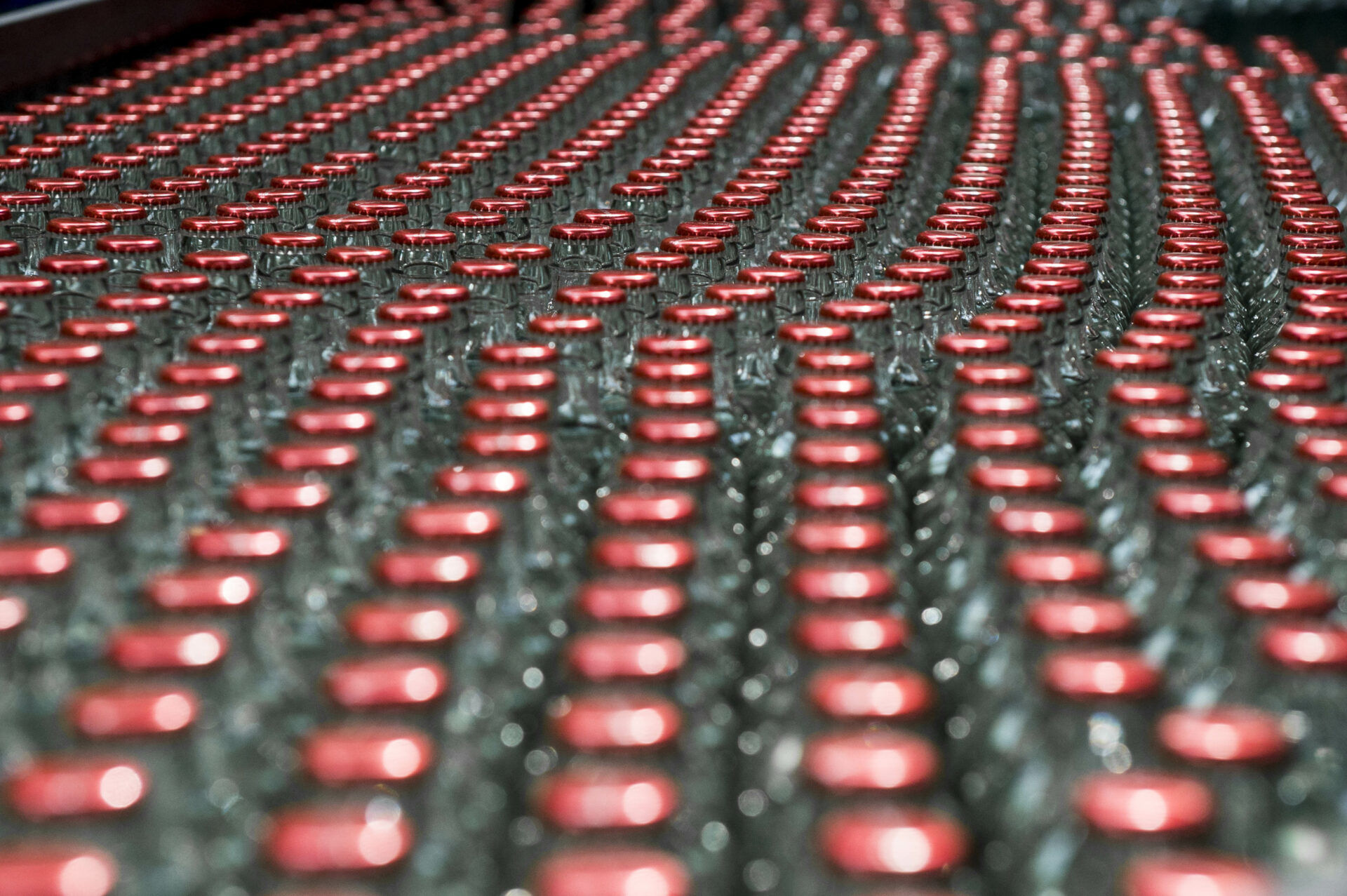 Artisanal alternatives are challenging mass-produced cola brands.
Credit: Belga / Nicolas Lambert[/caption]
Artisanal alternatives are challenging mass-produced cola brands.
Credit: Belga / Nicolas Lambert[/caption]
Another notable contender is Oxfam, offering an organic cola made from fair-trade ingredients. Oxfam proudly touts its purity, with no caffeine, no phosphoric acid, and cane sugar akin to that found in mainstream colas.
Oxfam Cola boasts a distinctive set of ingredients that make it a unique and conscientious choice among soft drinks. It mirrors mainstream cola in terms of sugar content but opts for the use of cane sugar, offering a more natural and ethically sourced sweetness. The soda derives its distinct colour from barley malt, adding an authentic touch to its appearance.
The drink's caffeine-free formulation caters to those seeking a refreshing soda without the stimulating effects. It not only delivers on taste but also supports a socially responsible cause, making it a viable choice for consumers with a conscience.
As the demand for unique and locally sourced beverages continues to grow, the alter cola trend is poised to offer consumers an exciting array distinct character and flavour profile. Whether it's Paola's regional charm, Ritchie's nostalgic twist, or Oxfam's commitment to organic ingredients, these artisanal alternatives are shaping the future of the cola market.
