
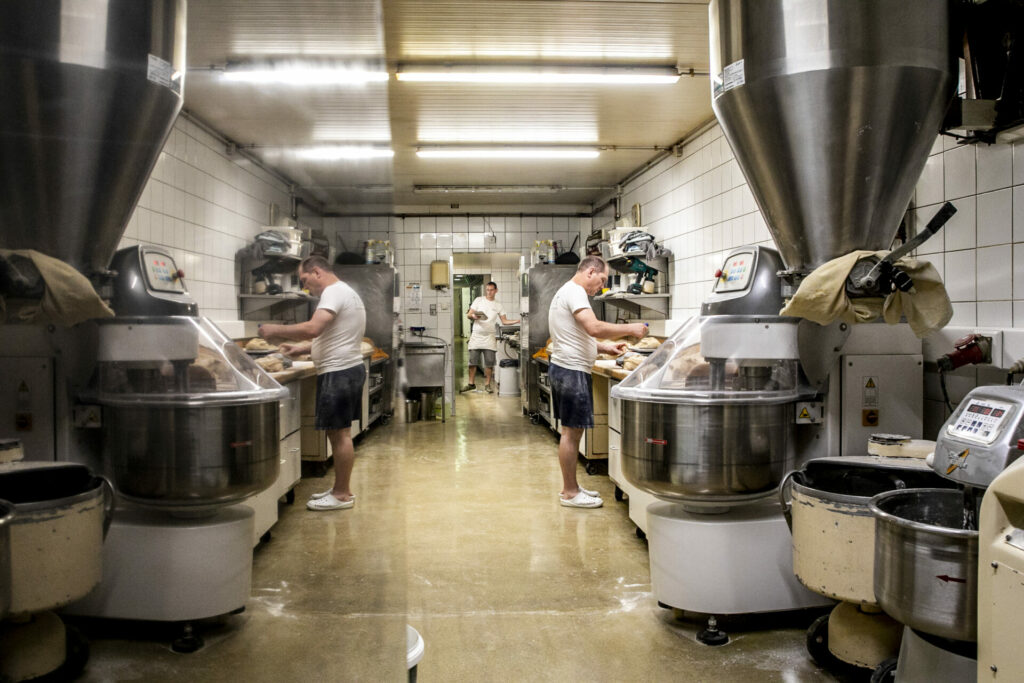
As a staple of diets across the continent, the daily trip to the bakery is an essential part of European life. When it comes to securing this key sustenance in Brussels, the city has no shortage of shops dedicated to the art of bread-making.
Or at least so it seemed, as Sudinfo reports that the number of bakeries in the capital has fallen 11% over the past five years – a decline driven by the rising cost of ingredients and energy bills.
The finding comes after the Federation of Independent Retailers (SNI) analysed data from Statbel, Belgium's statistics office, which put the number of bakeries across the country at around 6,230 between 2018 and 2022. However, the SNI highlights regional variations beneath this apparent constancy. Whilst Flanders has seen the number of bakeries rise, the fall has been marked in Brussels.
At the same time, the number of industrial bakers in Belgium has risen by 21.61% over the last five years. However, the SNI is quick to stress that "this increase is due solely to Flanders, where the rise is over 45%."
Related News
Perhaps remarkably, the SNI posited that "French-speaking consumers are probably consuming less bread". Yet it added that "artisan bakeries seem to be holding up better than industrial production and simple depots."
"Consumers are once again opting for real bakers rather than pastry shops and department store breads. Francophones (in Brussels and Wallonia ed. note) prefer to eat better quality bread that can't be found elsewhere", stated SNI spokesperson Olivier Mauen, in explanation as to why the number of bakeries in Francophone regions has diminished.
The challenges of the energy crisis also must be highlighted, with State aid unable to protect some businesses in the bread trade from ending operations. Almost all bakeries were forced to pass the rise in production costs on to customers. As energy prices flared, so did the price of bread – in some cases costing 20% more than the year previous.
