
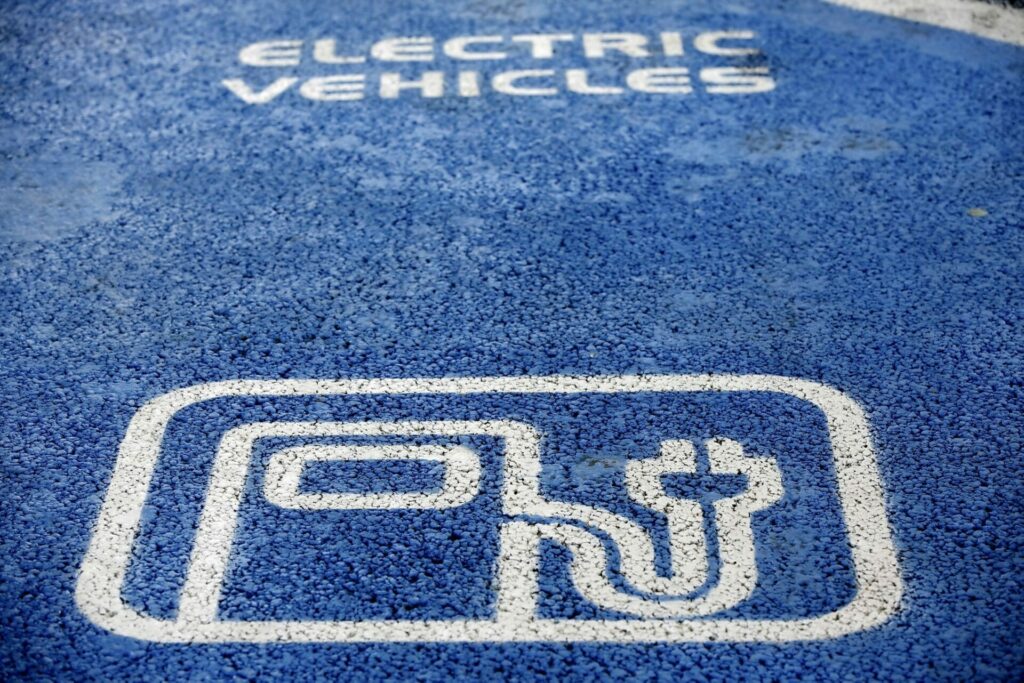
In a groundbreaking move, Brussels has embraced the conversion of traditional combustion engine vehicles into electric models, marking a significant step toward sustainable transportation and climate change mitigation.
Minister of Mobility Elke Van den Brandt, a member of the French-speaking Green Party (Ecolo), announced the initiative earlier this week, underscoring its contribution to the ongoing climate transition.
The conversion option, applicable to various vehicle types, offers a sustainable alternative to purchasing new electric vehicles, yielding substantial cost savings for individuals and businesses. In collaboration with industry stakeholders and other governmental levels, the Brussels government has established a comprehensive framework to facilitate this transformative process.
Previously, vehicle conversion faced hurdles related to registration and homologation, ensuring compliance with requirements. However, streamlined procedures have been introduced, enabling installers to offer their services to private individuals and companies interested in the conversion.
As Europe gears up to ban the sale of combustion engine cars by 2035, countries like Belgium are taking proactive steps to prepare for this shift. Once retrofitting is approved, however, a crucial question arises: does it make sense to go ahead with it on your own vehicle?
One key consideration for those contemplating electric vehicle conversion is the environmental impact. Despite the substantial energy demands during electric vehicle production, particularly for lithium-ion batteries, the overall reduction in emissions over the vehicle's lifetime makes conversion a greener option. Converted electric vehicles offer a compelling advantage in reducing maintenance costs due to the simplicity of electric motors, translating to less frequent and lower-cost maintenance requirements.
The brake systems in converted electric vehicles outperform their gas-powered counterparts, with regenerative braking not only extending brake lifespan but also harnessing wasted energy to recharge the battery. This, combined with the inherently low maintenance requirements of electric motors, makes converted electric vehicles a cost-effective choice for the long term.
'Range anxiety'
Despite the environmental and economic benefits, drawbacks associated with conversion need consideration. The substantial cost of retrofitting, ranging from €4500 to €18,000 or more, depending on the vehicle's make and model, can act as a deterrent for many car owners. This high upfront cost makes the transition to electric less financially feasible for some.
Electric cars still face challenges in terms of range, with the distance covered on a single charge generally less than traditional gasoline cars. This limitation leads to "range anxiety," a concern about running out of battery power before reaching the destination, particularly for those undertaking long-distance journeys. The success of electric vehicles relies heavily on a well-established charging infrastructure, which is still in development in many regions, posing a potential hurdle for converted electric cars.
Moreover, while electric vehicle batteries have improved, they are not without challenges. Batteries degrade over time, necessitating regular maintenance and eventual replacement every few years, adding to the overall financial investment required for the conversion process.
As Europe embraces the shift toward electric vehicles, Belgium's move to allow individuals to transform old cars into electric ones aligns with the broader goals of reducing carbon emissions and promoting sustainable transportation. While the retrofitting process may incur additional costs, it presents a more affordable option compared to purchasing new electric vehicles.
