
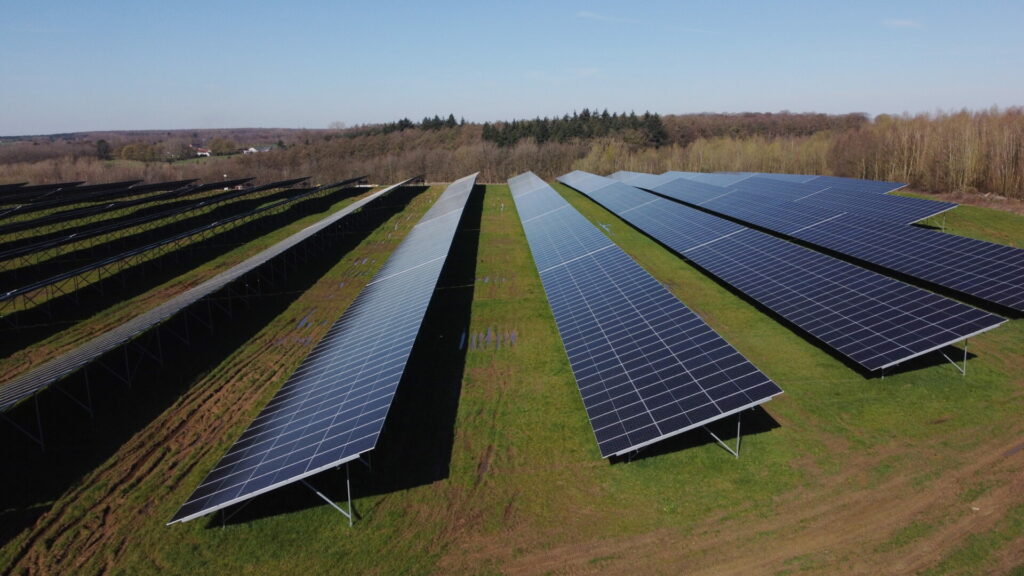
Renewable energy is set to surpass coal as the world’s leading electricity source by 2025, according to a prediction by the International Energy Agency (IEA).
Specifically, solar photovoltaics should generate over a third of the electricity by this time – up from 30% in 2023 to an expected 37% in 2026, the 'Electricity 2024' report suggests. It predicts that the rise of renewables will more than offset increasing demand in advanced economies such as the United States and Europe.
The report also anticipates a similar trend in China, currently the world’s largest producer of coal-powered electricity. Despite uncertainties related to weather and economic recovery in the global industrial superpower, the IEA foresees a "slow structural decline" for coal in China.
Overall, the increase in renewables, coupled with a recovery in global nuclear power, is expected to cause a decline in coal, which is the most damaging source of energy for the climate and air quality.
Related News
- Belgium 'completely addicted' to cars: Is a green transition still possible?
- Online calculator helps EU towns and cities achieve climate neutrality
The IEA estimates that coal-based electricity production will fall by an average of 1.7% per year by 2026. However, the report suggests that 2023 might be an outlier in this trend with an expected temporary increase of 1.6% due to low hydroelectric production in India and China.
Meanwhile, the production of gas power stations is predicted to rise “slightly” over the next three years, increasing by about 1% annually.
On a final note, global nuclear production is projected to return to its 2021 levels by 2025. This would be due to the completion of maintenance work in France, the reopening of reactors in Japan, and new facilities in China, India and South Korea.
