
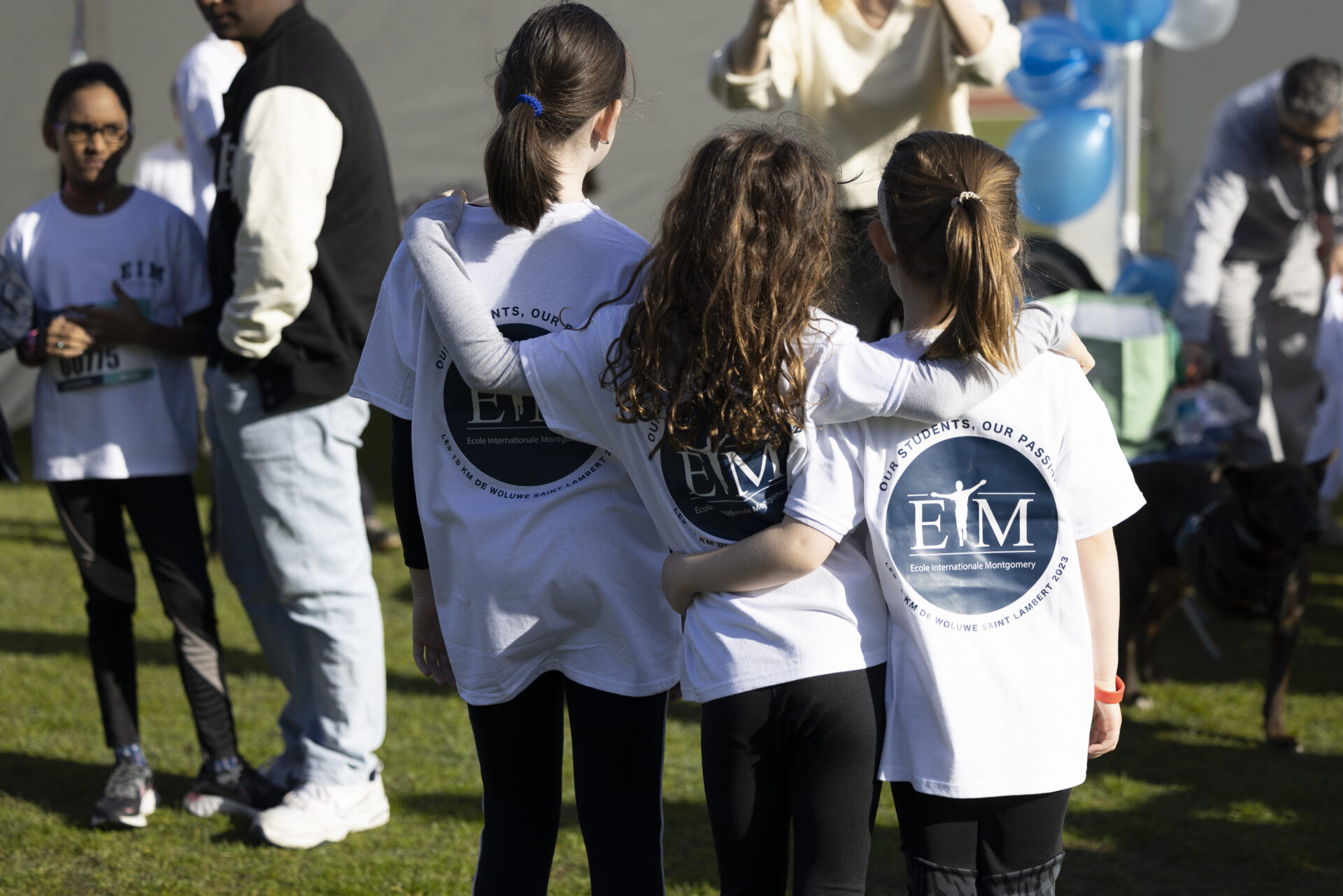
Early school experiences play a pivotal role in a child's educational journey, contributing to the development of self-confidence and enabling them to reach their fullest potential later in life. With this consideration, the primary school at Montgomery International School strives to offer a positive and vibrant initiation to education. Accredited by the primary IB programme, it delivers a student-centred bilingual education, and aims to tailor its teaching to each student in a nurturing environment.
For this article, we asked the pedagogical team of the Primary Programme at Montgomery International School a few questions.
What is Montgomery International School’s pedagogical approach?
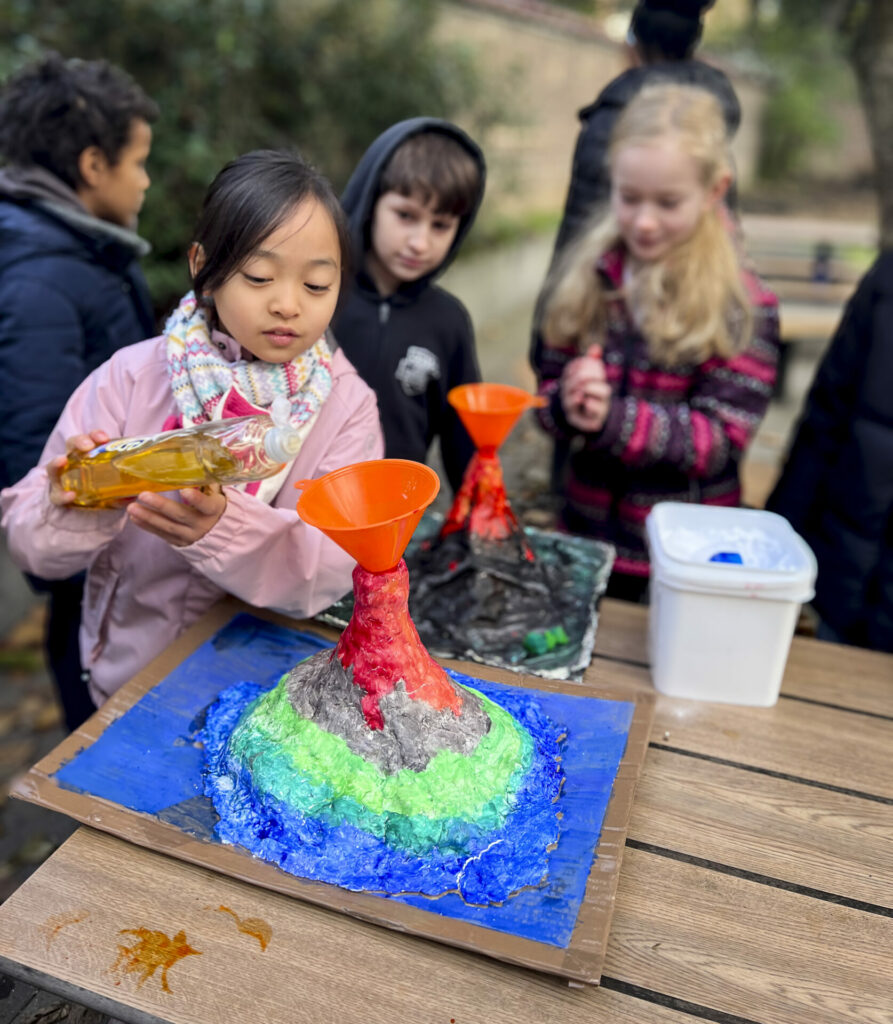
The pedagogical approach for early primary classes at Montgomery International School centres around inquiry-based learning and play. Throughout the day, children are exposed to real-life engagement and activities. They work around various themes, which are explored in multiple subjects - such as English, French, Math, and Sciences - aligning with the IB transdisciplinary practice. Instead of receiving explicit explanations from their teachers, students are encouraged to explore the materials provided, and discover what they can accomplish on their own.
In that sense, the teacher’s role is more one of a guide, offering assistance and fostering students' reflection on their actions and potential outcomes. This approach not only develops students' curiosity towards their work but also enhances their communication and collaboration skills.
Since the school is represented by children from very diverse backgrounds, how is differentiation implemented?
First and foremost, knowledge of our students - essential for differentiation - is one of the school’s main guiding principles. Therefore, teachers make a concerted effort to establish connections by delving into students' backgrounds, interests, and their prior education.
Activities are tailored to accommodate different levels and needs, and our small class sizes ensure personalised attention. Students can also receive one-on-one support if needed within the classroom or with our learning support teacher.
How are languages taught at Montgomery International School?
We offer two programmes, the English programme and the French/English Bilingual programme. In the English programme, subjects are taught in English (however, the curriculum still allows for 5 hours of French per week). Meanwhile, the French/English bilingual programme offers classes in both languages. Even though these are two distinct programmes, French acquisition remains an important component of the English programme, allowing students to switch programmes later on if they wish.
Due to the nature of our diverse student body, some children start with no prior knowledge of English or French. To best lead them through language proficiency, we have extra language support lessons in smaller groups and/or direct support within the classroom if needed. While language is mainly acquired in the language classes, students also explore their language skills in the social studies classes which are taught in either English in the English Programme or French in the French/English bilingual programme.
How does Montgomery International School facilitate the integration of children with very different backgrounds?
Starting in Grade 2 every student is assigned a buddy, who will show them the school and introduce them to the rest of their peers. Additionally, on the very first day of school, teachers organise games and activities to ensure that children mingle and get to know each other. The interactive nature of lessons also gives multiple opportunities for students to engage with each other in the classroom. Finally, the Parents Association organises a picnic at the beginning of the school year, as well as other events throughout the year, which help children and parents get to know each other.
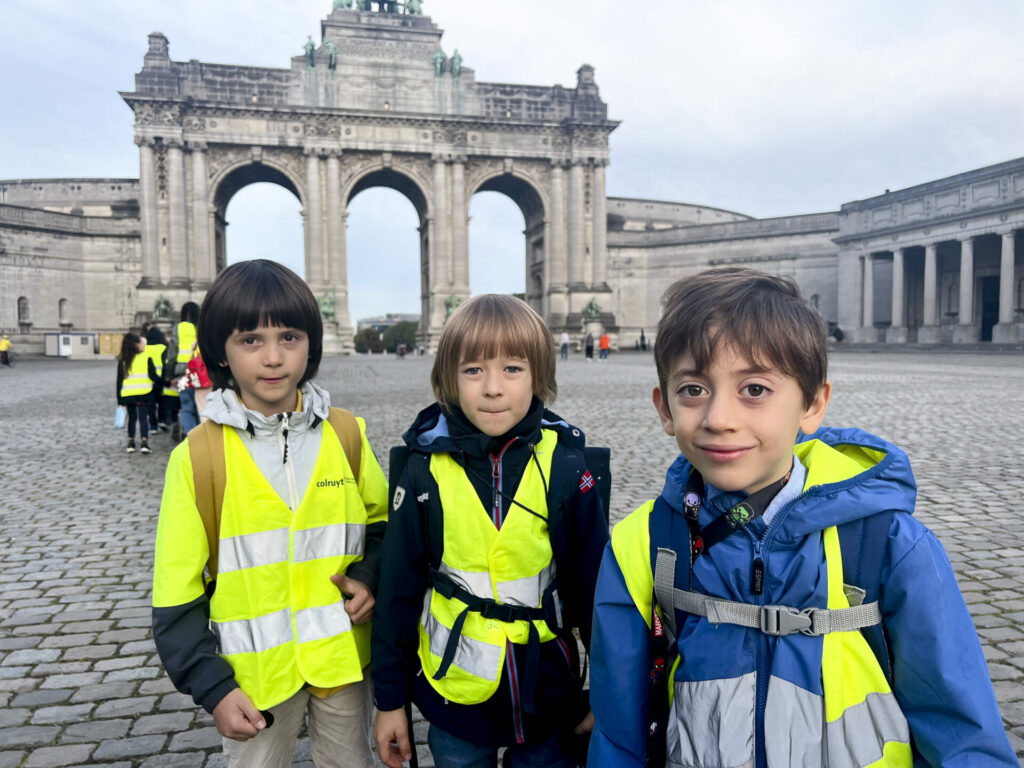
To encourage connections between students we also organise activities and field trips which include all our primary classes. Additionally, our social studies classes are in mixed year groups (grades 2-3 and grades 4-5 together). Interactions with secondary students are also initiated through school-wide events, such as an all-school Sports Day and the International Food Festival. Our older students tutor and supervise their younger peers, fostering a sense of responsibility and community. These interactions create a supportive and inclusive environment within our community.
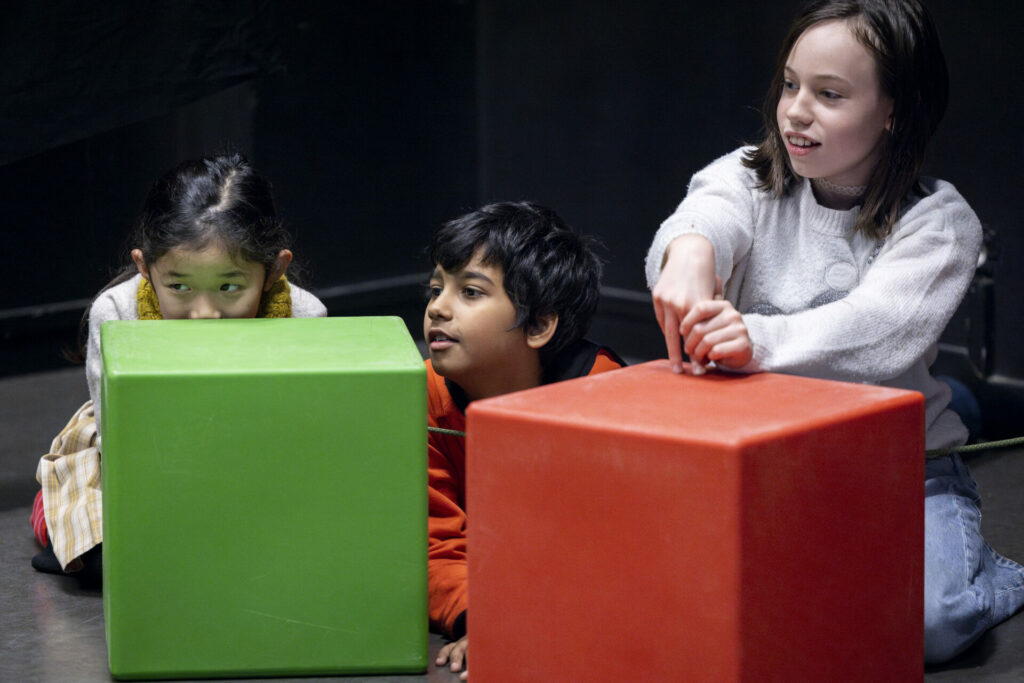
Our theatre classes are also a vector of connections and a cornerstone of how we approach education at Montgomery International School. It has proven to be a great medium for developing self-confidence, collaborative work, and social and communication skills. Therefore, from a young age, students are required to participate in 2 hours of theatre per week. During this time, they explore movement, voice projection, and unleash their creativity. The classes culminate in a play at the end of the year, performed in a proper theatre in Brussels. Students not only learn acting skills but also various aspects of theatre, including set design, costumes, lighting, sound, and dramaturgy.
What is your approach to digital learning?
Throughout the primary years, we strive to have a balance between digital, hands-on and paper learning. Until Grade 2, students use paper, and we make sure to teach them how to write in cursive as it has been proven to help with spelling, motor control and memorization. Having said that, from the very beginning teachers use smart boards, since they are more interactive and enhance students’ engagement.
In grades 2 and 3, students will use tablets mainly to do research and presentation. In grades 4 and 5, technology is integrated into all subjects, while also ensuring sufficient time is spent working “offline”. This equips students with the technological skills needed in today’s world, while maintaining a healthy balance.
How is bullying addressed at Montgomery International School?
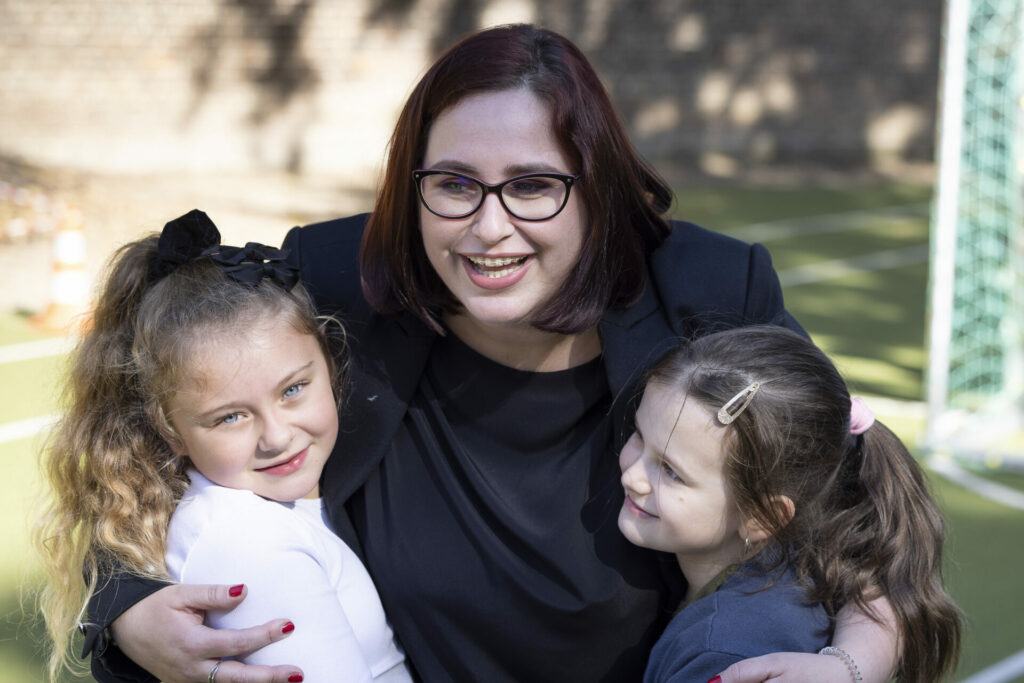
One of the biggest compliments we received during a focus group organised with our primary parents, was that there was no bullying at our school. Our teaching, whether during classes or recess, fosters understanding and tolerance among our highly diverse student body. Our small class sizes allow for a proactive approach to unkind behaviours. If and when a teacher anticipates a potential conflict, they initiate a process that involves discussing the issue with the student, engaging with the parents, and if necessary, implementing an appropriate consequence.
Our goal is to shift away from the traditional punitive discipline, which can shame students and be ineffective. We are currently looking into implementing Restorative Justice, which requires the active participation of the students in the resolution process - of course with the guidance of the pedagogical staff.
This system encourages children to take responsibility for their actions, express their feelings, and work towards positive change. Moreover, it aligns with Montgomery International School's culture of respect and kindness, as well as our mission to nurture global citizens who aspire to make a positive impact on the world.
