BRUSSELS BEHIND THE SCENES
Weekly analysis with Sam Morgan
European Union leaders continue to insist that the bloc is ready and waiting to welcome the Western Balkan countries into the fold. This week, there was yet more evidence that Brussels is unwilling to offer little more than simple platitudes.
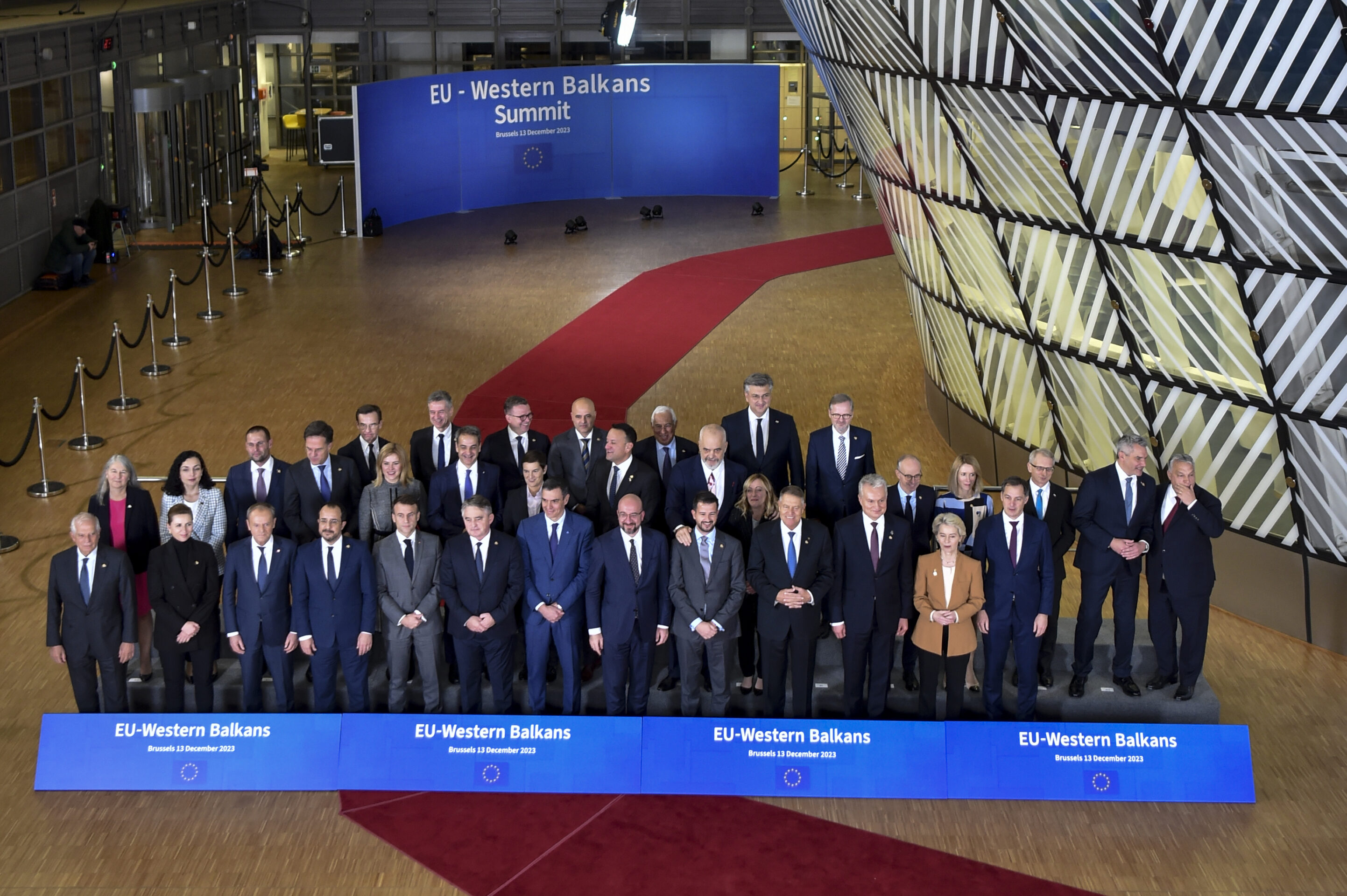
Brussels met the Balkans this week, as leaders like Albania’s Edi Rama, Montenegro’s Milojko Spajić and North Macedonia’s Talat Xhaferi were in town for meetings with the EU’s top brass.
All three are aspiring members of the Union, along with Bosnia-Herzegovina, Kosovo and Serbia. All are at different points in their long journey towards joining the bloc.
A new report issued this week suggests that this journey is not nearing its conclusion.
BRUSSELS BEHIND THE SCENES includes weekly analysis not found anywhere else, as Sam Morgan helps you make sense of what is happening in Brussels. If you want to receive Brussels Behind the Scenes straight to your inbox every week, subscribe to the newsletter here.
The European Court of Auditors is not the most glamorous or influential of the EU’s institutions. It lacks the legislative clout of the Commission, the shady opaque power-wielding of the Council or the noisy pedestal of the Parliament.
But it does have one thing you can count on: a willingness to tell its more illustrious counterparts that they are not doing their jobs properly.
You can find a whole treasure trove of assessments and denouncements in the ECA archive. Behind the Scenes has more than once dug something interesting out of the back catalogue for a news story.
This week, the auditors revealed their findings about a new €6 billion growth plan for the Western Balkans that the Commission proposed last November.
Under this new strategy, the six aspiring EU members would be given access to €2bn in grants and €4bn of full-fat loans. This would be on top of the existing billions that are doled out to all of the Union’s membership candidates.
The auditors did not have much good to say about the plan. It lacks proper oversight of how the Balkan nations would get access to the cash, for example. The money is tagged to reforms but the ambition is low.
Governments won’t have to stay on their toes either, as the Commission will only make suggestions and recommendations, rather than actual demands for more, deeper reforms.
All-in-all, it amounts to a glorified bribe. The Western Balkans candidates get an extra dollop of cash to spend with a large degree of impunity and the EU ostensibly looks like it is helping them along in their membership quest.
In reality, the money risks being spent on initiatives that will either do nothing to forward their EU efforts or, more worryingly, actively jeopardise their chances.
It is all about optics. Look like you are doing something without actually making progress. Top EU officials know that enlargement cannot happen without reform at home and the chances of that happening soon are very slim.
You can tell that the Commission is not too bothered by all of this because the EU executive has not even provided an impact assessment or analytical document detailing how the money would actually benefit the region.
The extra info was supposed to be submitted by 8 February. Surprise, surprise, it’s nowhere to be seen.
Brussels insists that it is serious about enlargement. Either that is a falsehood or, worse still, it is genuine and the EU is simply repeating the same mistakes it made with countries like Hungary and allowing graft and corruption to go unchecked.
Well done to the Court of Auditors for keeping tabs on what the other institutions are doing. Hopefully more people will take note of what they say and hold policymakers to account.
BRUSSELS BEHIND THE SCENES includes weekly analysis not found anywhere else, as Sam Morgan helps you make sense of what is happening in Brussels. If you want to receive Brussels Behind the Scenes straight to your inbox every week, subscribe to the newsletter here.
