Mining in Europe for home-grown electric cars
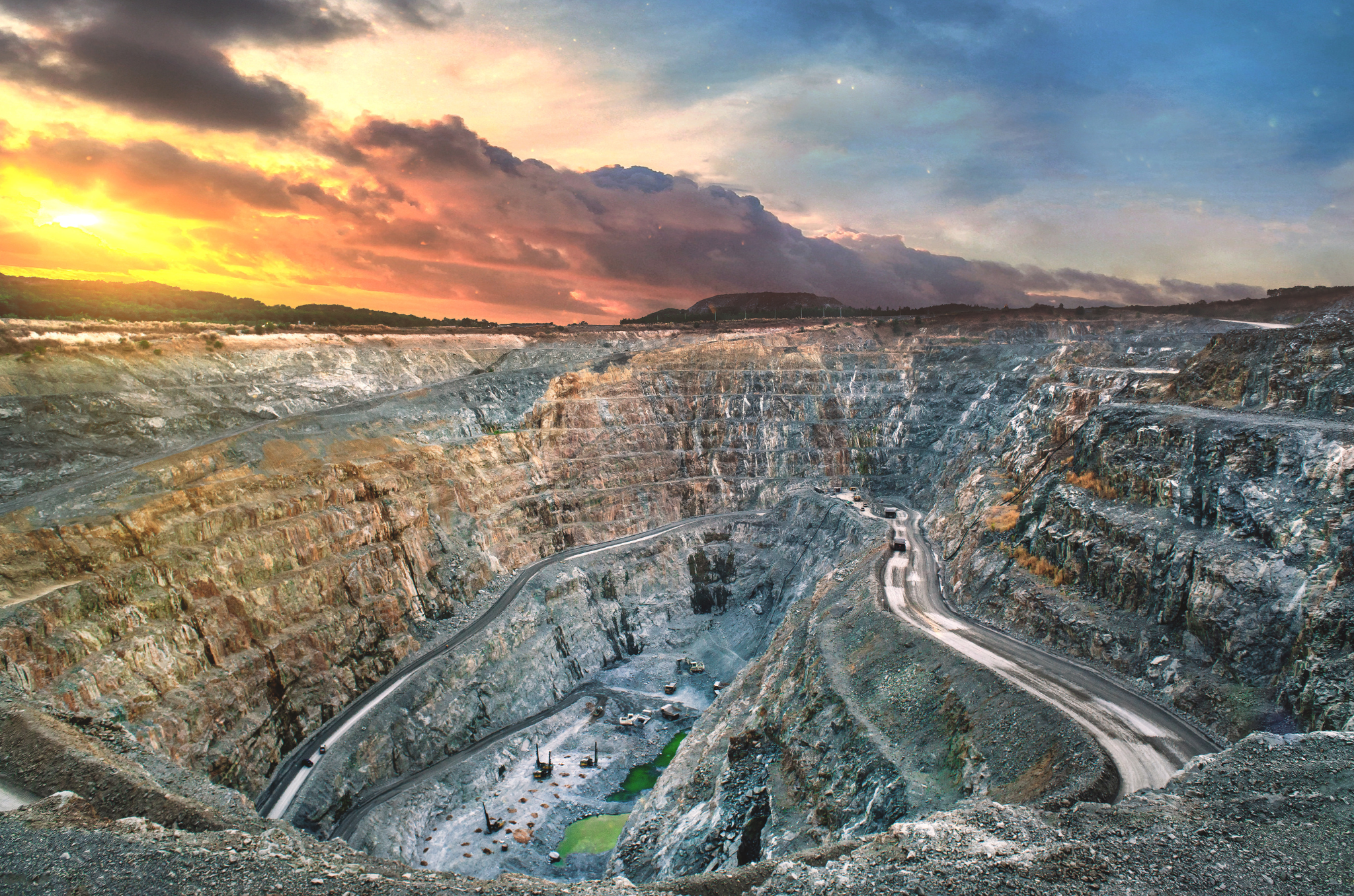
Peter Tom Jones is director of SIM2, the KU Leuven Institute for Sustainable Metals and Minerals, and the driving force behind the recent documentary Made in Europe: From mine to electric vehicle. SIM2 has long researched methods to recover parts from discarded electronics and give mine waste new life as a construction material. Now, Doctor Jones’ focus has shifted to highlighting the need to make electric cars in Europe, including the battery, which starts with the mines that produce the raw materials.
Except that no one wants a mine in their backyard. The 'NIMBY' mindset − Not in My Backyard – is stubborn, and mining retains a reputation for dirty, unsafe practices. Yet advances in technology have made new mining operations cleaner than ever. Moreover, Doctor Jones believes that, “We import the metals, we export the problems. That’s hypocritical. I want to wake Europe up. That’s the message we want to deliver with the documentary: We have to make compromises. It’s either that or fail to meet the climate goals and become impoverished.”
With around 20% of carbon emissions in the EU coming from automobiles, Made in Europe just might be the most impactful innovation to come out of SIM2.
‘Onze Natuur – Doorgrond’ spotlights the climate change beneath our feet
Another major KU Leuven outreach effort was prompted by biologist and KU Leuven alumnus Pim Niesten, who directed Onze Natuur (Our Nature), a film showcasing the natural beauty found throughout Belgium. The success of this endeavour led directly to a companion series showcasing the work of KU Leuven researchers.
Onze Natuur – Doorgrond (Our Nature – Understanding) is a four-part YouTube series that reveals the impact of climate change on Belgium’s soil, waterways, cities and local species. Each episode takes the viewer into the field with KU Leuven scientists and unveils the drastic consequences of climate change already taking place beneath our feet. The series highlights efforts to not only learn more about these changes, but also to increase public awareness of the importance and fragility of our local environment, helping preserve our nature for generations to come.
Explore how your academic journey can solve the world’s pressing needs
Some of KU Leuven’s greatest environmental innovations – hydrogen panels that can make fuel from the air, agrivoltaics that generate electricity from farmers’ fields, and modular pre-recycled building materials – have yet to break through to the greater public. Which means there is still much work to be done.
Do you want to contribute to solving the world’s most pressing needs? Discover the next breakthrough, and break through to new audiences. With more than 100 programmes taught in English, there is no shortage of ways to pursue your own passion at KU Leuven. For each of these programmes, KU Leuven’s commitment to a research-based education pays off in tangible results for its students, its researchers and society at large.
Learn more at KU Leuven’s upcoming Open Days