
Solving the challenge of plastic pollution in Europe can only be achieved with a healthy plastics recycling value chain. Europe is positioned for global leadership in the transition to a circular economy with the adoption of ambitious targets under the Packaging and Packaging Waste Regulation (PPWR). Nonetheless, the current direction taken in the trilogues could compromise the environmental objectives of the EU Green Deal and consumer safety, as well as increase greenwashing claims regarding the recycled content in products placed on the EU market.
The loophole in recycled content claims
2023 shows a downturn in the growth of the plastics recycling industry. Although the legal framework set up by the EU initially increased the demand for recycled European plastics, now EU recyclers are losing competitiveness vis-à-vis companies from third countries, whose production processes are not subject to the same standards and can, therefore, afford to sell their products much cheaper. This would eventually lead to jobs in the recycling industry being lost, as the industry would be forced to relocate to keep its competitiveness.
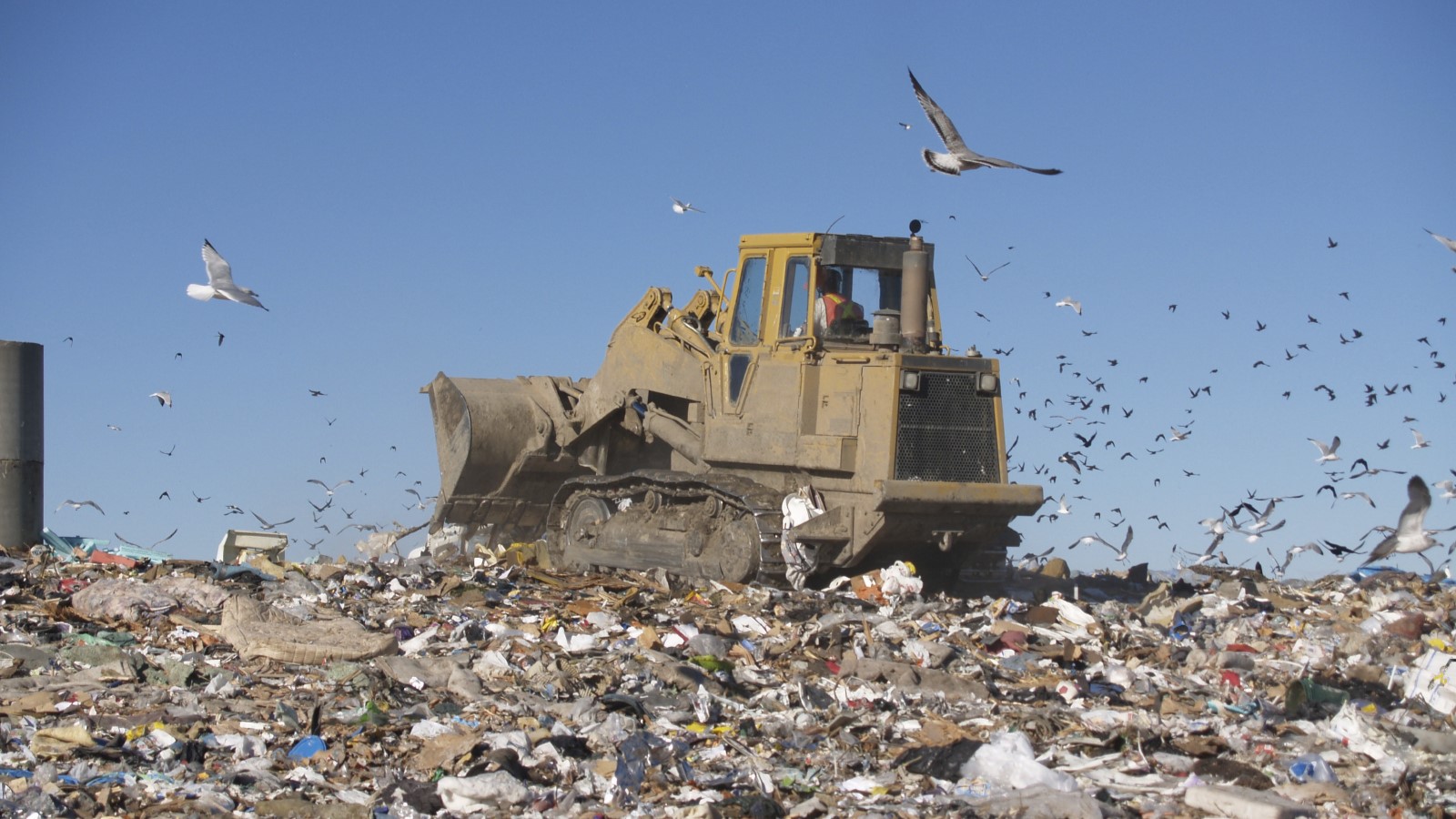
Increasing imports would also have detrimental consequences for the environment. Every kilogram of recycled content imported to meet targets is a kilogram that does not get recycled in the EU but is exported to third countries where it ends up being landfilled or incinerated. Reducing or stopping future investments in Europe's recycling systems would also lead to European greenhouse gas emissions more than doubling by 2040. The PET recycling rate would also fall to between 32% and 38%, compared to 67% in a scenario where continued investments in recycling capacity are maintained and there are no imports. Achieving the environmental objectives of the EU Green Deal does not seem likely if this situation continues.
On top of this, imports are self-declared as recycled content, with no measures to verify the authenticity of these claims. This lack of traceability makes it impossible to verify whether products labelled as containing recycled content do contain it. This consequently aggravates the risk of greenwashing. Therefore, policymakers must ensure the PPWR includes control and verification mechanisms coupled with a regional circularity perspective and the so-called proximity principle in line with the environmental objectives of the EU, where waste is managed as close as possible to its place of production.
The status quo of recycling capacities
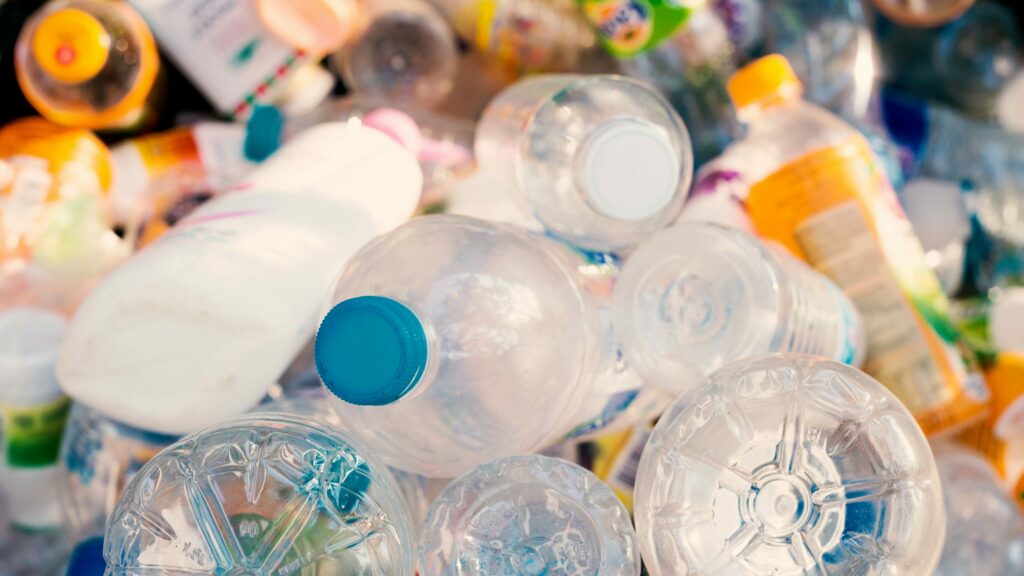
Some believe that there will not be enough recycling capacity in Europe to meet the targets and, therefore, consider these imports necessary. These claims, however, fall short of the current situation, as the total installed recycling capacity of the European plastics recycling industry increases year-on-year, standing at 12.5 million tonnes in 2022. Additionally, some waste streams are already clearly on the path to meeting EU targets. For instance, data from 2022 indicates that there shall be sufficient recycling capacity of rPET at the EU level to meet recycled content SUPD targets of 25% by 2025. The PET market, in fact, currently faces overcapacity, with not enough waste available to be fed back to recyclers. Further investments in collection systems and the quantity of the input material will be needed to keep up to speed with the upcoming targets.
The current situation calls for EU institutions to act quickly. The legislators must create a level-playing field between domestically recycled European plastics and imported recycled plastics accounted for achieving recycled content targets. To this end, verification mechanisms of both EU and third-country imports will be needed to ensure compliance with environmental and safety standards.
The entire industry and green jobs are under threat
The critical situation of the plastics recycling sector reflects the general context in the European Union’s industry: a worrying lack of competitiveness in a geopolitical landscape where not all countries play by the same rules. In this sense, the PPWR cannot become the “holy grail” the industry was waiting for unless it brings legal certainty to the entire European plastic recycling value chain.
One of the main objectives of the revision of the PPWD was to make all the packaging on the EU market recyclable in an economically viable way by 2030, which will not happen if companies do not have enough legal certainty to invest. What is more, the Plastic Strategy is about “transforming the way plastic products are designed, produced, used and recycled in the EU”, an objective that should stay on top of policymakers’ agendas.
EU institutions must act now to ensure a plastic recycling value chain that fosters circularity, provides EU citizens with safe recycled products, and is resilient enough to face international competition.
Without legal certainty for industry players, recycling targets, together with their environmental goals, will inevitably turn into question marks.
Ton Emans, Plastics Recyclers Europe’s President
