
However, sticking to these resolutions can be tough, especially with our busy lives balancing work, family, and social activities.
A packed schedule isn't the only thing that might dampen our motivation. Our bodies and minds might not be ready for a new exercise routine. Moving is crucial, but so is taking a break. It's about making time for yourself, listening to your body, and establishing lasting habits.
"What you do after your workout is just as important for your well-being and performance as the effort you put into the exercises."
Florent Rivault, Senior Well-Being Manager, Aspria
The importance of recovery
Recovery is more than just resting after a workout. It's a complete process of physical, mental, and emotional repair. Benefits of a recovery routine include:
- Relaxing and resting your muscles
- Restoring energy
- Reducing stress
- Enhancing performance
- Boosting immunity
- Promoting overall well-being.
Without proper recovery, the risk of injury or overtraining increases, undermining all the effort to establish a sports routine.
Active vs. passive recovery
Active recovery keeps muscles moving and promotes circulation, while passive recovery involves complete rest to allow the body to repair and regenerate. "The choice often depends on the context, personal goals, and how tired or tense your muscles feel", explains Florent. "In many cases, a mix of both methods can lead to a more complete and optimal recovery".

Activities for active recovery
Stretching
Like an elastic band that needs maintenance, muscles need regular stretching to maintain or increase their length and prevent injuries. Dynamic stretching before exercise prepares the muscles and joints. Recovery stretching after a workout helps ease muscle and joint pain. Passive stretching 24 hours after exercise increases muscle length and flexibility.
Diversification
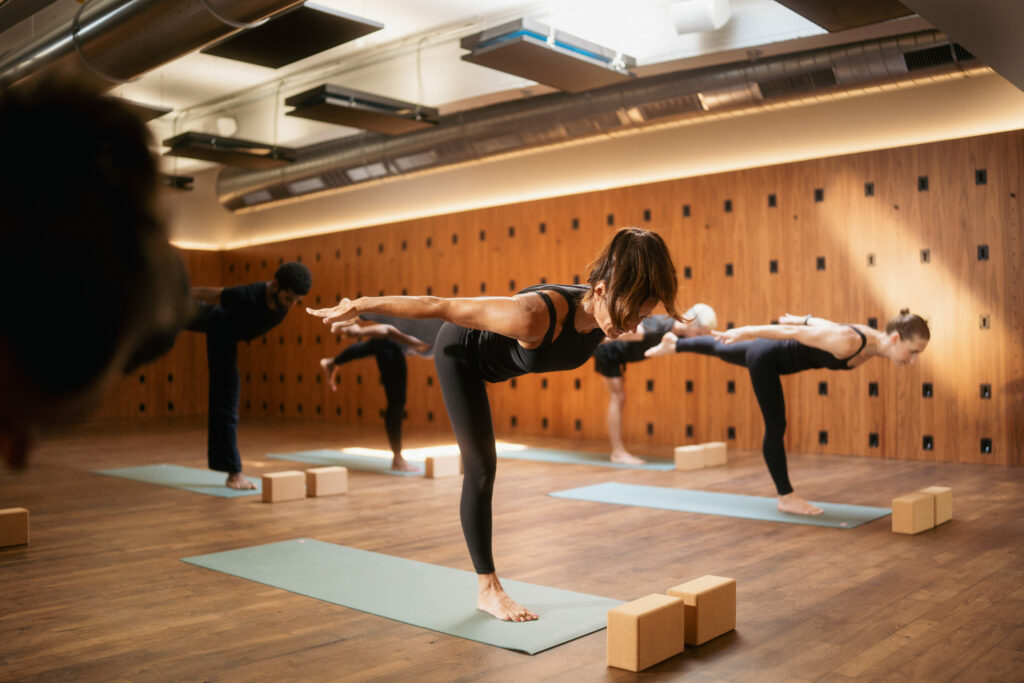
Engage in low-intensity activities to vary your workouts, explore new disciplines, and refresh your body and mind. Swimming, walking, biking, yoga, and meditation are excellent for active recovery, offering benefits like improved circulation, muscle engagement, and stress reduction.
Options for passive recovery
Massage
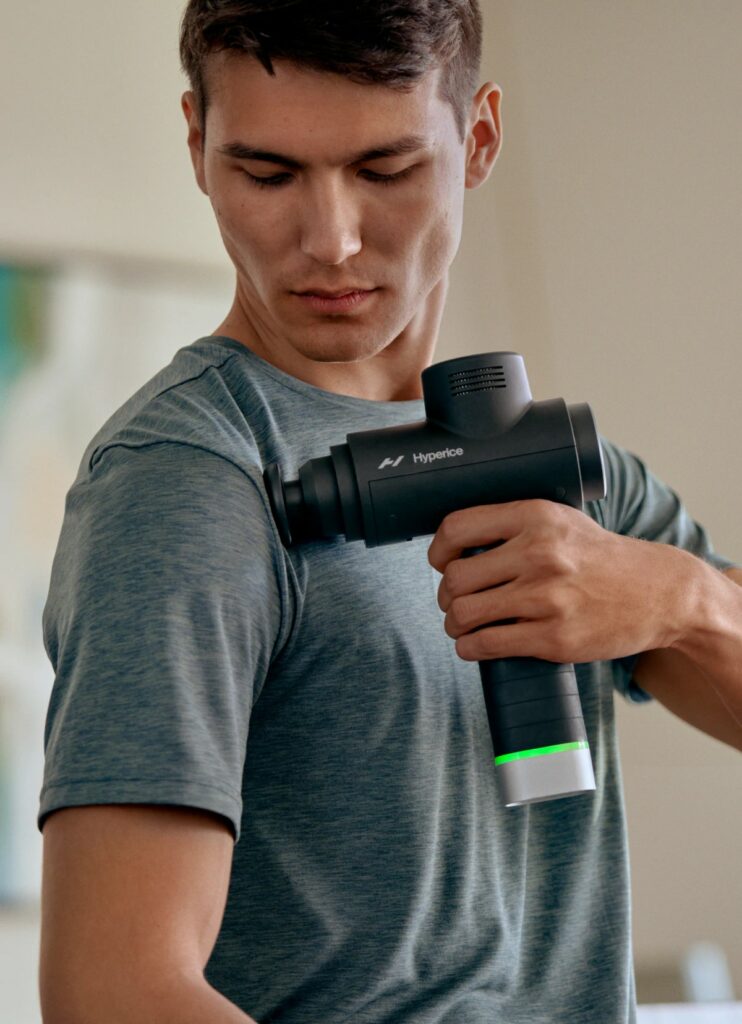
In our three clubs in Brussels, we've set up dedicated spaces with equipment like massage guns, compression boots, vibrating massage ball and foam rollers for this purpose. Our Instituts also offer sports massages tailored to your needs.
Wellness
The benefits of hot and cold treatments, including jacuzzis, saunas, steam rooms, and ice fountains, are essential for relaxation and recovery. Cold showers after the sauna or using ice on the body can help reduce inflammation.
Technology
Smartwatches provide valuable statistics and reminders to take care of yourself, encouraging recovery.
Lifestyle
Besides active or passive recovery, lifestyle factors like hydration, quality sleep, and a varied diet are vital for recovery.
At Aspria, we believe recovery is an essential routine in your fitness journey, keeping you motivated and caring for your physical and mental wellbeing. Explore our clubs to find the right one for your recovery needs.
Visit www.aspria.com.
