
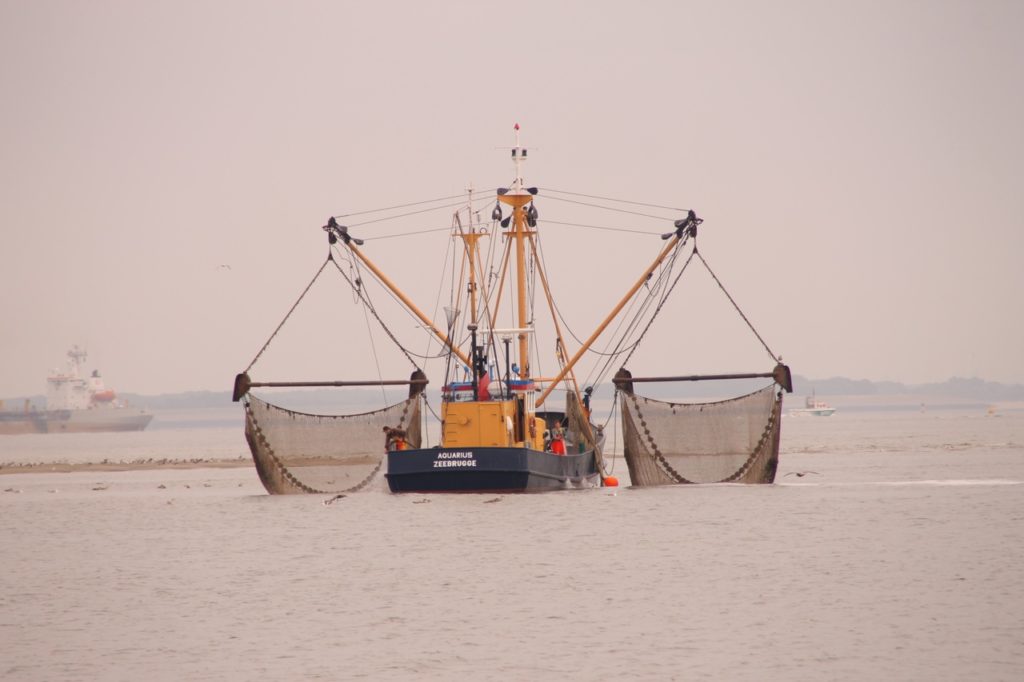
Flemish Minister for Sea Fisheries Hilde Crevits (CD&V) will receive the European Fisheries Ministers today and tomorrow for a fishing summit in Bruges, where she wants to show the latest technologies that Belgian fishermen use, which, among other things, allow better monitoring of the catch.
In December, Belgian fishermen were told that they could catch 60% less sole in the North Sea this year than in 2023. In British waters, the quota for Belgian fishermen also fell by 6% to 77%, depending on the fishing grounds. In 2022, the quota for sole was also reduced.
The quotas increased again for other fish species such as plaice, ray and cod, but sole is by far the most important economically. According to the latest figures, which date from December 2023, sole accounts for 53% of the total value of fish collected in Belgium.
These quotas are negotiated between the Commission and the Member States every year, based on scientific data. In 2023, this data showed that the sole stocks were in poor condition. However, the information used for this is invariably 2 years old, which means that the new quotas are always lagging behind.
Shrimp workshops and quota discussions
This is one of the things that Crevits wants to discuss today and tomorrow at an informal council for the European Fisheries Ministers. She will receive them in Bruges, together with delegations from the European Commission and the European Parliament.
A trip to Zeebrugge is also on the programme on Monday, where the ministers can expect a 'shrimp workshop' and a visit to the sailing simulator that is used to train new fishermen.
They will also see the recently renovated fishing boat Jasmine, which is equipped with technology that, among other things, monitors fuel consumption and the fish species in the hold. "That data is shared with scientists, allowing them to view what has been caught in real-time and also better monitor fish stocks," Crevits told VRT.
Half of the Belgian fishing fleet, which consists of 64 boats, is now equipped with this new technology. According to her, Belgian fishermen are open to this new technology, "but you also have to give them the necessary confidence to be able to carry out their work with passion."
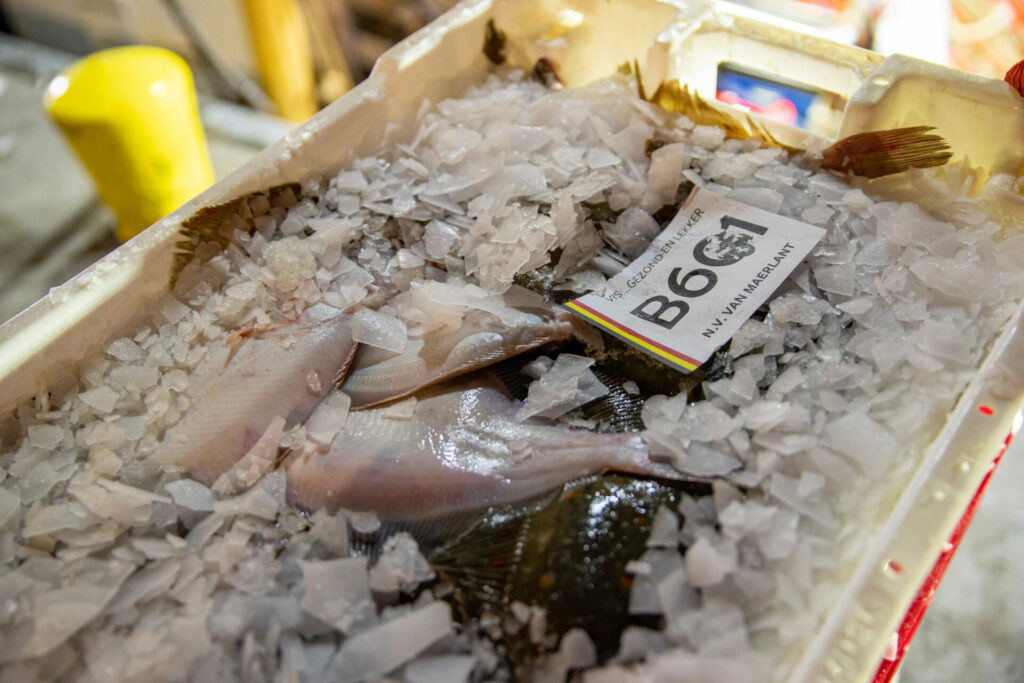
Credit: Belga / Kurt Desplenter
At the fisheries summit, Belgium wants to show the other European fisheries ministers that Belgian fishermen can therefore be entrusted with higher catch quotas.
"This year our fishermen in areas near Ireland are receiving lower quotas for sole based on outdated scientific data. The fishermen report that there is now so much sole that they will have fished up their quota far too quickly," she said. "Fishermen have a vested interest in ensuring that the fish stocks are doing well. We must incorporate their knowledge into policy."
According to Crevits, these quotas must therefore be determined on the basis of scientific data, but it is clear that economic considerations also play a role. "Only in this way can we offer our fishermen a future."
Related News
- Belgian fish prices rise as Dutch buyers look to their neighbours
- Cuttlefish now second most important catch in Belgium
- Belgian fishing industry flounders
Yet the minister herself prefers to talk about "more correct and up-to-date" quotas rather than "higher" quotas. But in the end, it comes down to being able to respond more quickly to the situation if there were to be more room to fish for certain fish species such as sole.
But she must first convince the other member states. And that still requires some convincing. "Some Member States have other priorities than adjusting fishing quotas. However, countries such as France and the Netherlands have the same concerns as us," she said.
