
Céline Lefebvre doesn't hesitate when asked about alternatives. "We have no plan B," she says. "We have one plan: the brewery."
For those who inherit a family brewery in Belgium, there's often no safety net. It's a reality facing many family brewery owners right now, particularly in the face of seismic changes in the beer market.
In 2024, Mechelen's Het Anker – a brewery with roots in the 1400s – was acquired by Brouwerij Huyghe of Melle. With no successor willing to take over, Charles Leclef, the fifth generation of his family to own Het Anker, sold the operation. The brewery's 17 brands, including Gouden Carolus, Maneblusser, and Cuvée van de Keizer, remain in production, along with its Belgian whisky project and hospitality operations. But after more than a century, the Leclef family is no longer at the helm.
A few months after the Het Anker sale, the De Ryck family ended their 138-year brewing legacy in Herzele. Facing an outdated facility and limited appetite from the younger generation to invest during uncertain times, the family sold their brewery and brands – including Arend Tripel, Special de Ryck, and Steenuilke – to Brouwerij De Koperen Markies of St. Niklaas.
Brouwerij Liefmans, a family operation in Oudenaarde since 1679, went bankrupt in 2008 and was absorbed into the Duvel Moortgat group.
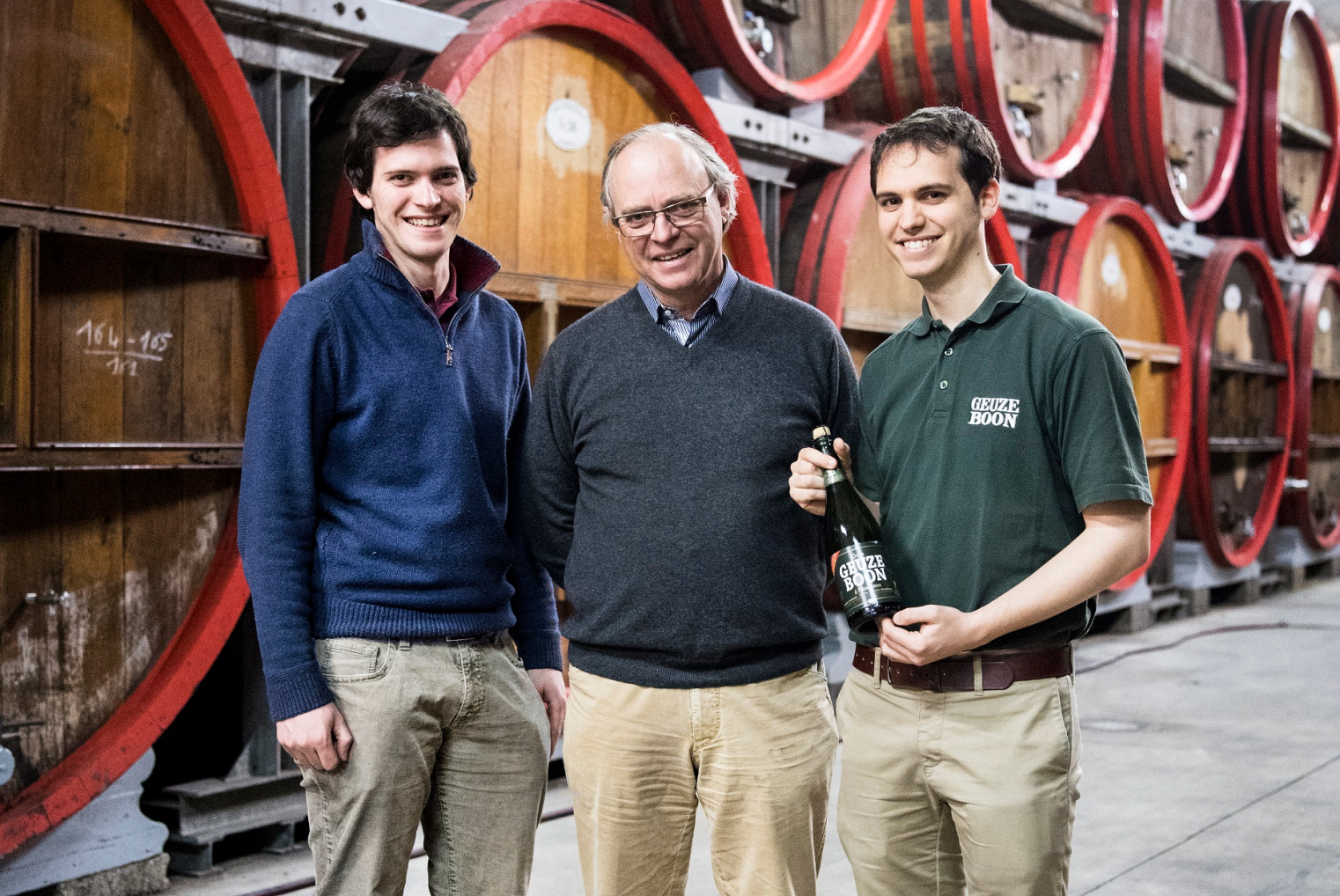
Intergenerational Boons
Even breweries with deeper family roots than Het Anker, De Ryck, and Liefmans have met similar fates. Brouwerij Bosteels, in operation since before Belgium existed as a country, was sold to AB InBev in 2016 after more than two centuries of family ownership. Antoine Bosteels was the ninth, and last, generation of his family to own the brewery that produced well-known brands such as Tripel Karmeliet, Kwak, and Deus.
In Belgium, beer is often discussed in terms of recipes, yeast strains, and centuries-old traditions. But what's rarely discussed is what it means to inherit a brewery: the pressures of keeping a family name alive, the emotional weight of succession, and the challenge of forging new ground while respecting what came before.
Caretakers, Not Owners
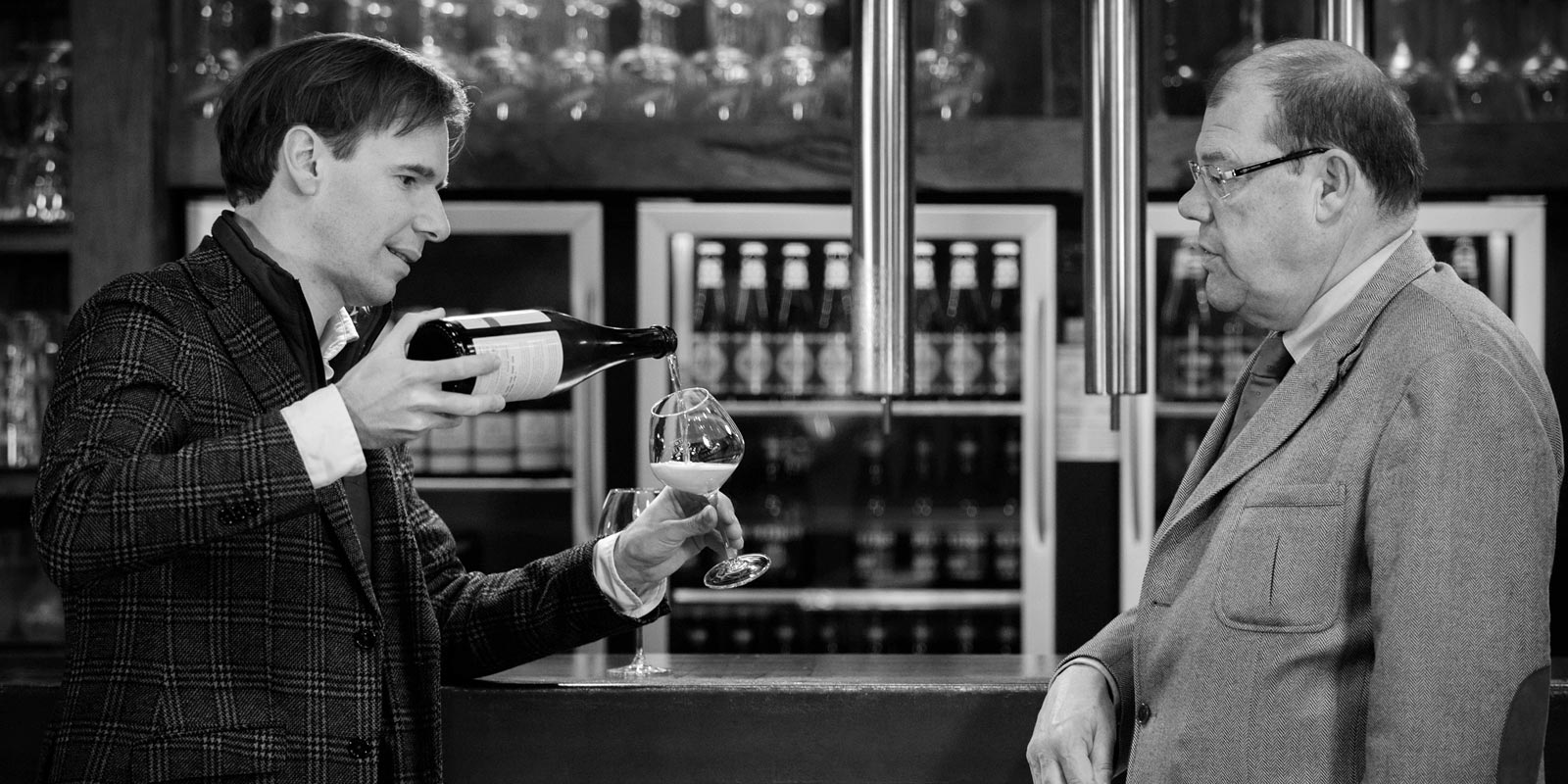
Three brewers – Céline Lefebvre of Brasserie Lefebvre in Quenast, Albert De Brabandere of Brouwerij De Brabandere in Bavikhove, and Karel Boon of Brouwerij Boon in Lembeek – are living this transition in real time. Lefebvre represents the sixth generation of her family; De Brabandere, the fifth; Boon, the second.
"Tradition is not a worshipping of the ashes," says Boon. "Tradition is keeping the flame alive."
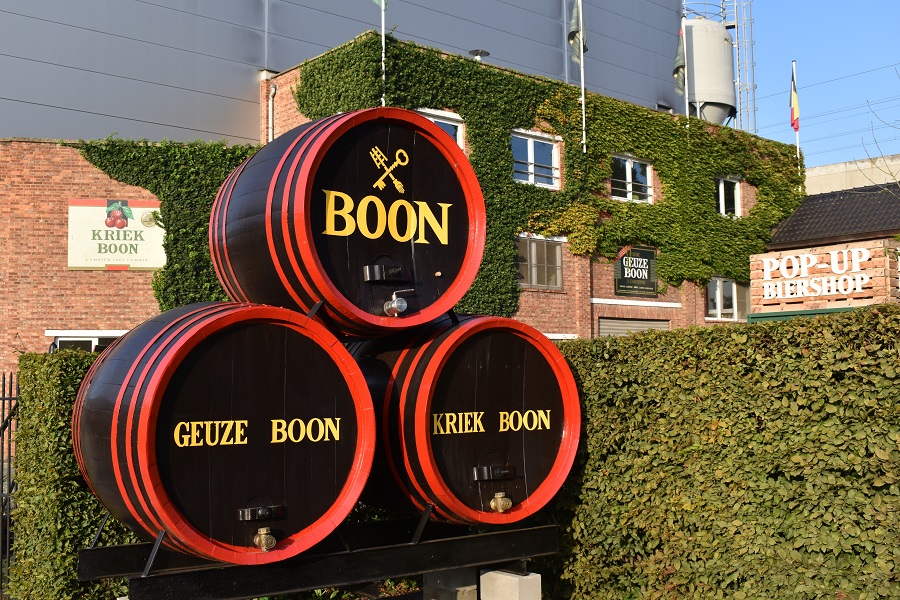
Boon runs his family's lambic brewery alongside his brother Jos. His father, Frank, started Brouwerij Boon in 1975, taking over a small blending operation that produced just a few hundred hectolitres a year in primitive conditions. Today, the brewery ages lambic in 160 foeders holding more than 20,000 hectolitres of beer. Some of those barrels are over a century old. The oldest was built in 1883 in Antwerp, constructed from wood that was already 300 years old at the time. "We're making beer with that today," says Boon. "Those things give you perspective."
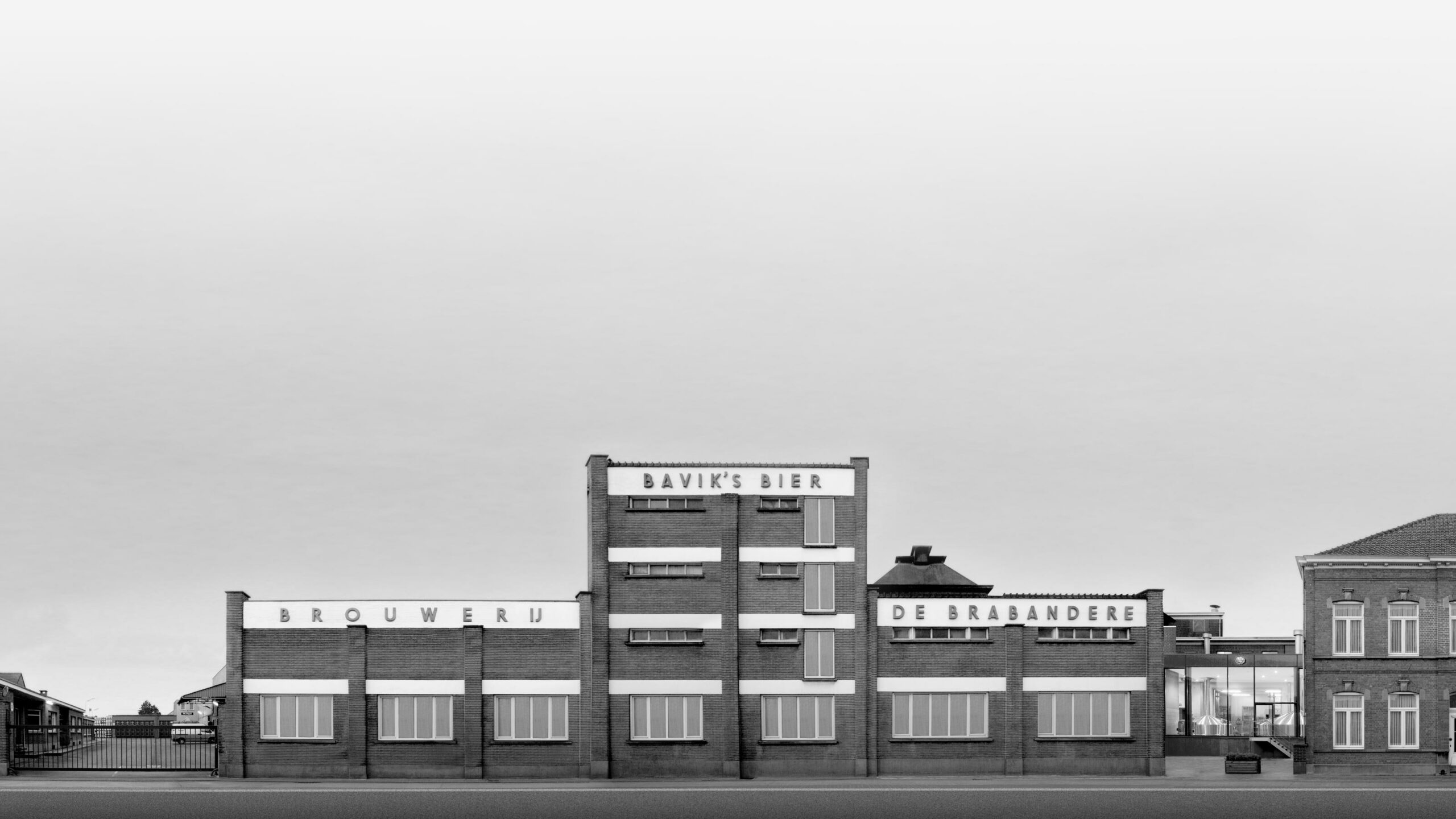
Albert De Brabandere, fifth-generation owner of Brouwerij De Brabandere in Bavikhove, puts it differently. "You never own a family brewery," he says. "You only keep it for the next generation." He thinks in terms of decades. Investments are made long-term and not to satisfy quarterly targets.
When he was 16 and first asked himself whether he wanted to work in the brewery, it was a "no-brainer," says De Brabandere. "When you're young," he says, growing up in a brewery is, "one of the coolest things that you can dream of." But the romance doesn't last long. "If you choose it, know that it's gonna be hard work for the rest of your life."
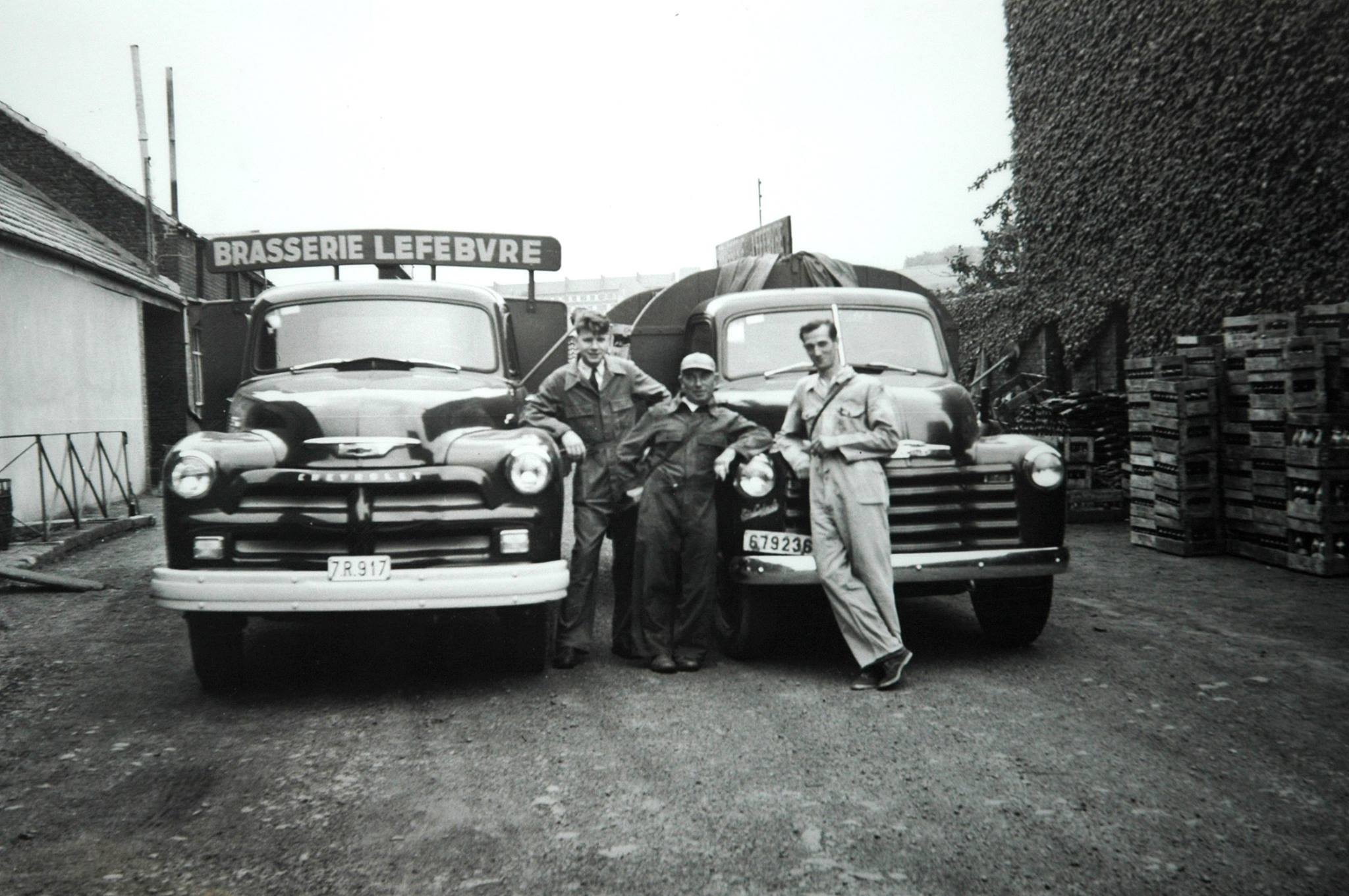
Céline Lefebvre spent much of her childhood at the family brewery in Quenast. "The brewery was my playground," she says. But it wasn't until she spent a year in Spain after finishing secondary school that she understood what it meant. She'd brought bottles of Barbãr, the brewery's flagship brand, to share with friends on the university program in Spain. "I was so proud of it," she says. When she returned to Belgium, she had a conversation with her parents and her brother Paul to express her interest.
Transition
Understanding what it means to inherit is one thing. Navigating the actual handover is another.
Lefebvre's parents set out some conditions for Céline and her brother Paul. "We had to make some studies to bring something to the brewery," she says. Her brother Paul was already in his second year studying brewing engineering. Lefebvre chose a degree in business and entrepreneurship. Her father wanted the siblings to gain experience elsewhere first; to "break some equipment" outside the family brewery, as Lefebvre puts it.
But the brewery was growing so quickly that timing didn't allow it. Paul joined first, in 2002. Then Lefebvre, in 2005.
When she arrived, she inherited her father Philippe's strategy. "My father wanted to have a full and complete range of brands to respond to every client," she says. "He had a 'yes strategy'. Everything that a client asks, we say yes." The result was a portfolio that became difficult to manage. "We have to make choices, so the vision begins to change."
The transition between Philippe Lefebvre and his own father hadn't been smooth. "The relation between the fourth and the fifth generation was not so good," says Lefebvre. It was a clash over vision. Her grandfather wanted to focus on buying and distributing regional beers. Her father, Philippe, wanted to develop export markets, starting with Italy. "It was a good choice," she says, "because when my father took over the brewery from the fourth generation, the brewery tripled in size."
Albert De Brabandere's transition was smoother, but only because his father, Ignace De Brabandere, had learned from his own difficult handover. "My father also had a difficult handover with his father," says De Brabandere. "Brewers tend to keep running around in the brewery and still give orders, whereas it normally should be the next generation." Ignace was determined not to repeat that. "He gave me all openness, and that whole transition went very smoothly," says De Brabandere. "We were sitting at the same desk and I learned a lot from him and he gave me a lot of space to explore, to try out stuff, and to change."
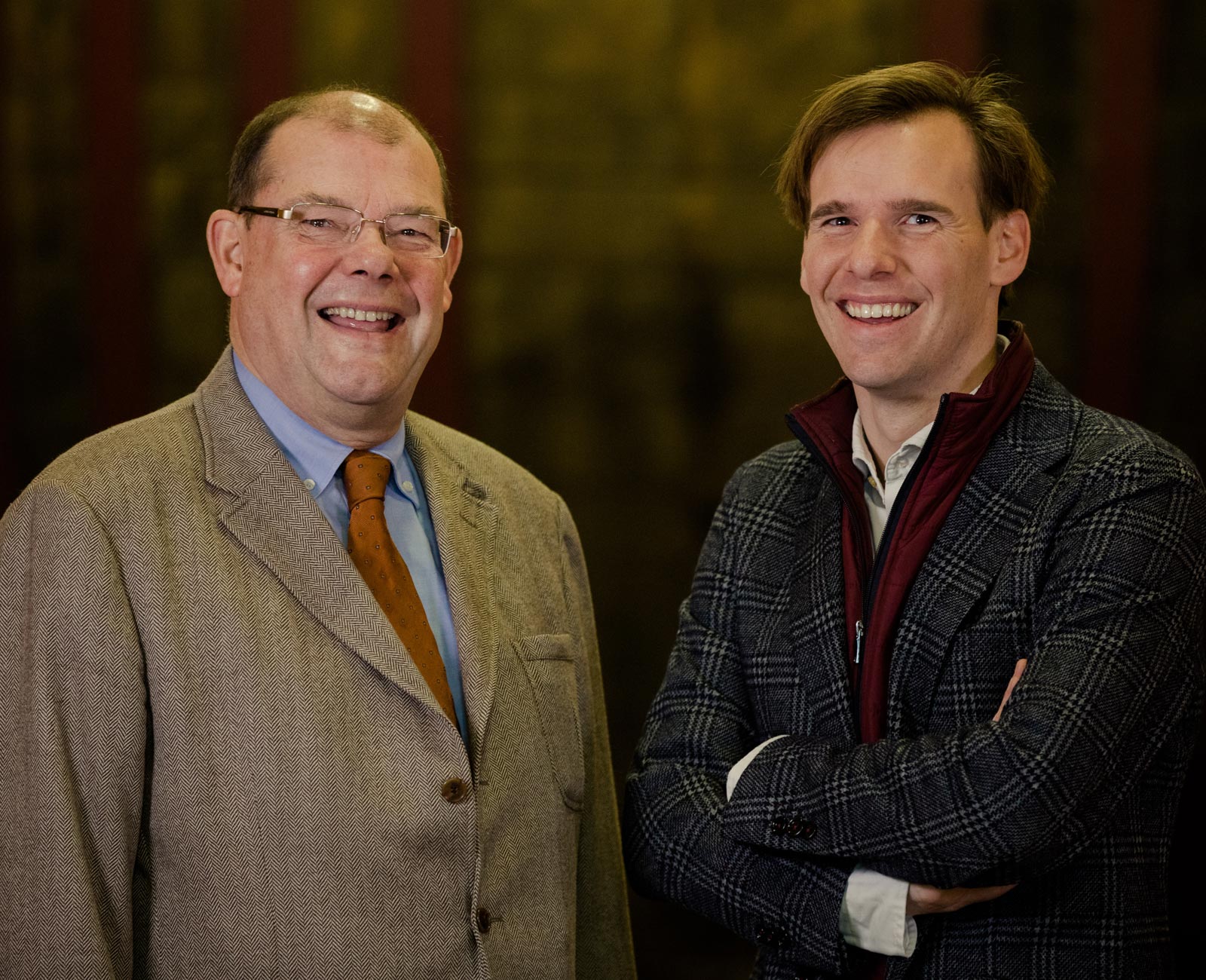
Albert De Brabandere with his father, Ignace.
Like the Lefebvres, Ignace set conditions for Albert De Brabandere before he could start working at the brewery. He had to work somewhere else first. He had to become a brewmaster. He had to learn French. He had to study entrepreneurship. "I only joined when I was 28 years old," says De Brabandere.
At Brouwerij Boon, conversely, Karel Boon's father, Frank, set almost no barriers at all. "You can not be more open, I think, than my father has been," says Karel. His older brother Jos had shown interest in the brewery from childhood. Frank started explaining brewery decisions to Jos, even then – investments in new equipment, the reasoning behind portfolio strategy, the details of production choices.
Jos joined in 2012. Karel came to the brewery later, in 2017. Before that, he'd considered other paths – he spent years studying classical piano at the music academy and even ran a YouTube channel reviewing computer hardware that drew thousands of subscribers. But at beer festivals, helping behind the bar, people would tell him that what his father was doing was special. "The penny started to drop," he says.
Business first, family second
The mechanics of handover are one thing, but there’s also an emotional element with family breweries.
Albert De Brabandere has a rule: put the family business first, not the family that works in the business. It's a hard line, but he says he's seen too many family businesses collapse because they tried to provide jobs for everyone in the family, regardless of capability.
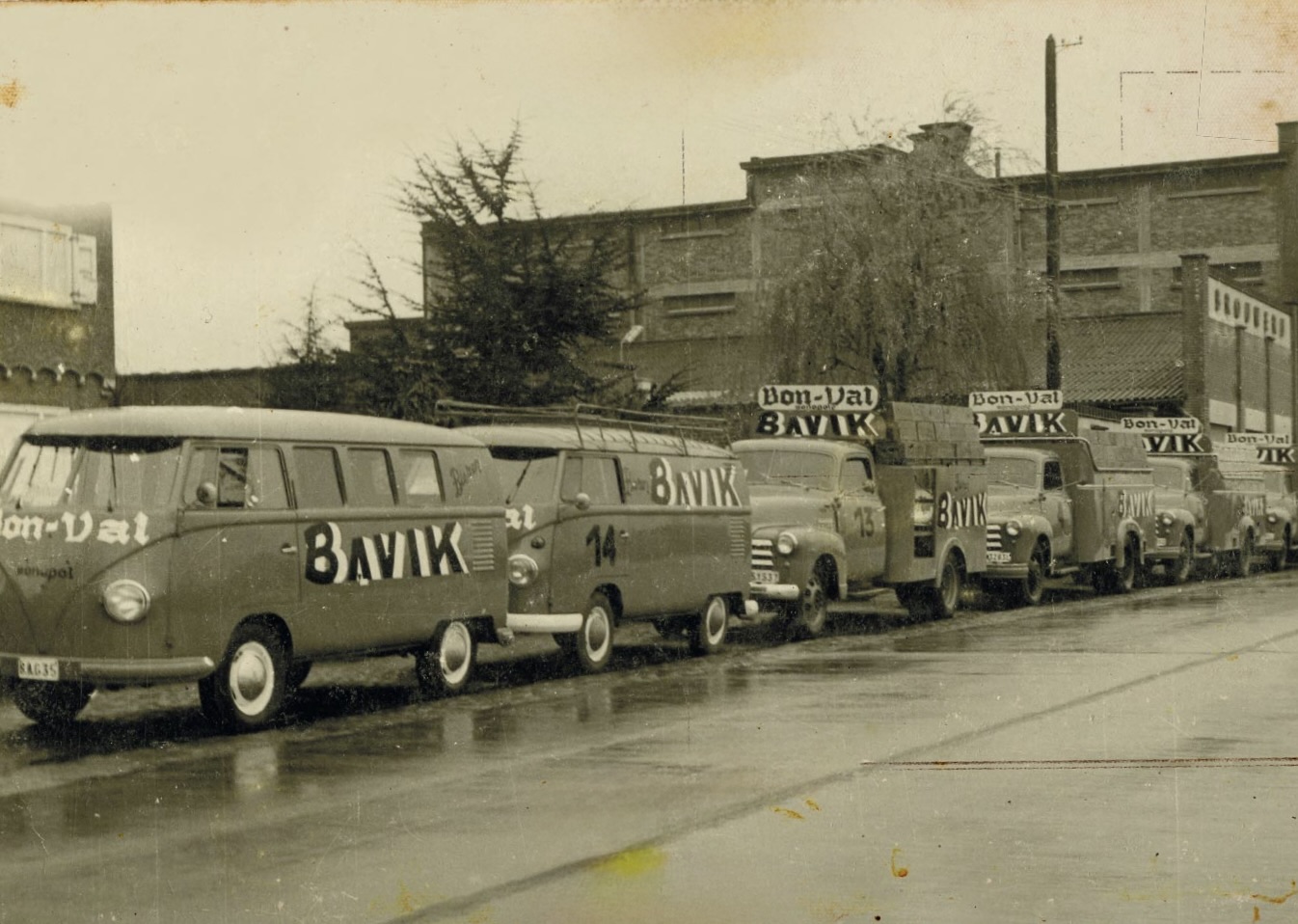
Family trucks
There are three major difficulties in handing over to the next generation, he says: no kids, too many kids who all want to join, or the wrong people having the right capabilities. "I've seen too many family businesses going bankrupt because they wanted to give everyone from the family a job within the business," he says. "The business is being used to fund money and jobs for the family. That's not correct."
The choices are hard, and they have to be made early. De Brabandere's sister never got the chance to join the brewery. "My father said to my sister that the beer business is a boys’ club," he says. "Which is per definition wrong." But that was the decision, and it was made before the question even came up.
De Brabandere thinks families need to set succession rules before the next generation is old enough to care. What diplomas are required? What skills? How will ownership be handled if someone leaves? "It's very important to set the rules already before the kids are getting older," he says. "The sooner you start that discussion, the sooner you can set the rules, and the more open and fairer it is for everyone."
Karel Boon learned a different lesson. "You need good communication with other people working at the brewery," he says. His father must have communicated something to the staff about the next generation stepping in, he says, but he's not sure what. "I don't even know what he communicated," says Karel. Better communication might have helped in those first years, he says. People look to the next generation as their future bosses. But you can't be someone's boss on the first day when you don't know the operational details of the job.
For Céline Lefebvre, it's trust that matters most. "When there is trust, you can do everything," she says about working with her brother Paul. "And I have trust in my brother; he has trust in me." Their lawyer told them that, statistically, brother-sister partnerships perform better in business over the long term than two brothers or two sisters. "So far so good," she says.
Modern beer game
Even with trust, even with the right succession planning, Belgian family breweries face pressures that feel different to those faced by previous generations.
Céline Lefebvre has noticed a change in Belgian beer consumer habits. "People are forgetting loyalty to our favourite beers," she says. "They are buying a price but not a beer anymore."
It's a shift that makes running a family brewery harder. Decisions to adapt are often emotional, she says, whether it's about a brand or a choice about which beers to keep or discontinue.
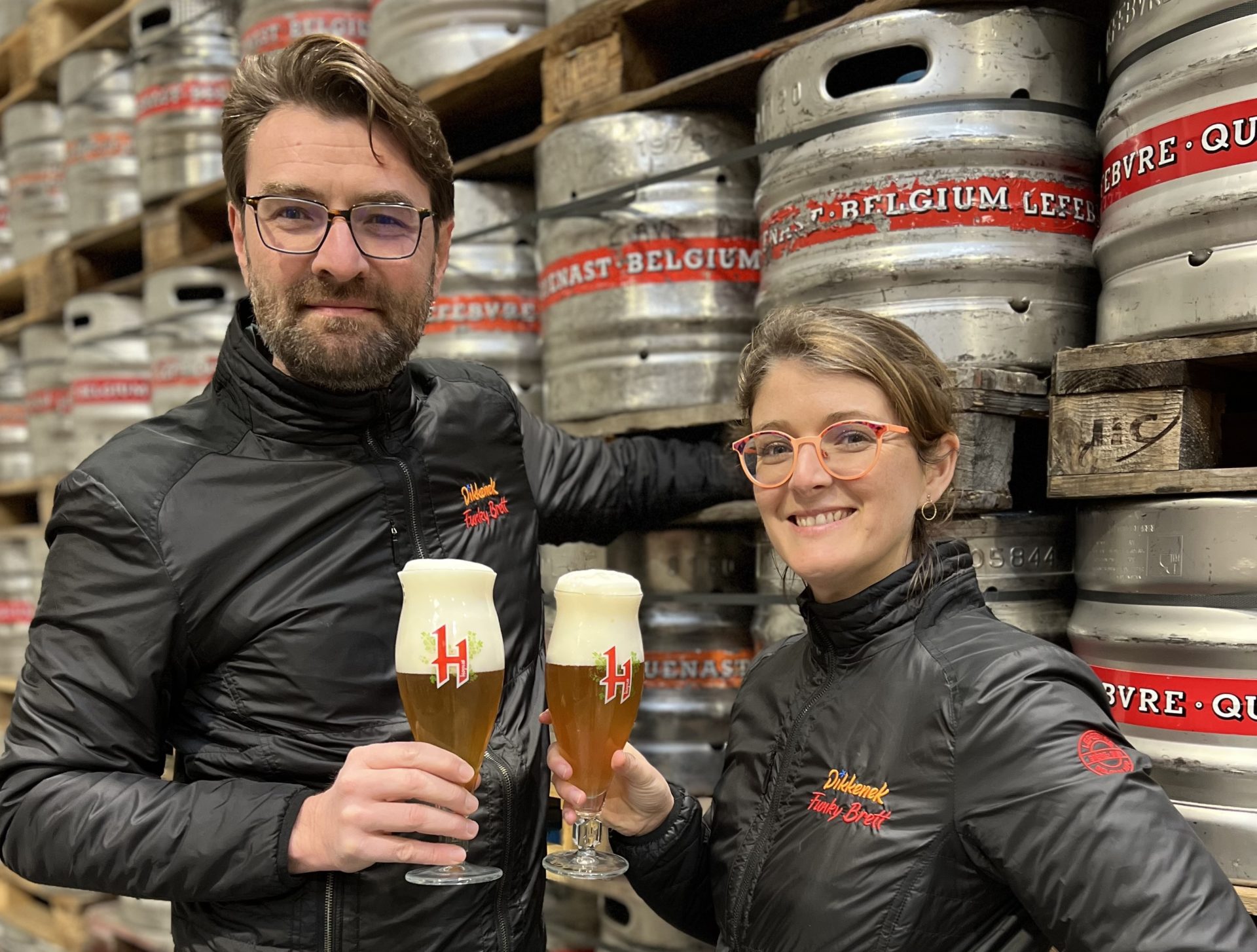
Paul and Celine Lefebvre
When her father, Philippe – who is officially retired but still comes to the brewery – learns about a change from a manager or operator, his reaction is visceral. "It's like something in his heart and it's very emotional." Every brand and every piece of equipment is weighted with family history.
The loyalty problem compounds another shift. Karel Boon sees it in the café landscape, which has collapsed across Belgium. His father, Frank, who started the brewery 50 years ago, tells Karel there were roughly twenty bars in the centre of Lembeek alone. Today, there are three.
The bars that survive are the ones running events. "The bar that organises concerts on Saturday, that does tastings during the week, where during wintertime you have a nice chalet outside on their terrace where they're heating the place up," Karel says. Traditional brown cafés, the kind where regulars would sit nursing their beers, are disappearing.
Karel refers to it as the "experience economy." People still go out, he says, but sitting at a table with a beer isn't enough anymore. "Just going to socialise to just sit at a table and enjoy each other's company with a good class of beer; that's today not enough for many people," he says. Céline Lefebvre puts it more bluntly: people "need a purpose to drink a beer."
Beyond consumer behaviour, there's the question of alcohol itself. Albert De Brabandere believes a lot of younger drinkers are moving away from beer and towards certain types of drugs as a "shortcut for getting into the mood." Karel Boon bemoans the fact that alcohol is being demonised through messaging that lacks nuance. He feels that when health organisations talk about increased cancer risk from moderate drinking, the numbers often get distorted, arguing that the risk increase is minimal in healthy individuals. "People should be informed," he says, "but they should also be allowed to make their own choices."
Add to this the economic reality. Raw materials fluctuate, but wages in Belgium only go up. "That's still gonna be one of our biggest points of cost," says De Brabandere. When salaries jumped at the same time gas prices exploded during the Ukraine war, breweries couldn't pass all those costs on at once. "You have to bring it in little bits and pieces," he says. Beer prices went up two or three percent while rents went up more than ten percent.
"It goes from left to right, everything is changing so fast," says De Brabandere. "You just recovered from one crisis and you're back into the next one."
Any brewery could be sold
In the face of these pressures, Belgian family brewery owners are acutely aware that selling is a possibility.
"I always said that every brewery is possibly sold in Belgium," says Céline Lefebvre.
If a large brewery came with a big cheque, she'd say no. “We have sons, we want to work,” she says. “But I’d think twice."
It's an honest answer, and it points to a tension she feels in her role as owner of a family brewery. "Beer is a passion, but entrepreneurship is not a passion for me," she says. "It's sometimes very hard and you have to keep the right balance between the passion and the entrepreneurship." She tells her sons the truth about what running the brewery demands: the long hours, the difficult choices. "It's a very hard life sometimes," she says.
Karel Boon thinks it would be unhealthy to assume selling couldn't happen. "The ideal perspective is that at some point, Jos and I can say, Okay, this is the next generation," he says.
But if no one in the family wants it, then there's no one. When Karel heard that Het Anker had been sold, he called the son of the previous owner to understand the decision. "It's a personal decision," he says. "We don't have to comment on it. That's his decision."
But Karel also says something else. In a worst-case scenario – one he doesn't see happening – he and his brother would fall back on what they know. "I would still see Jos and I falling back into a garage and basically starting from scratch again," he says.
Albert De Brabandere's position is more absolute. If his children aren't interested or capable of taking over, he would sell. But it wouldn't be about the money. "If I would sell, it's not gonna be for the cheque," he says. "It's gonna be for the legacy. Where is it gonna survive? Where is it gonna be taken care of?"
Not worshipping the ashes
A few years ago, Brouwerij Boon purchased ten oak trees from the Meerdaalwoud forest near Leuven. The trees were 250 years old. They've been drying at the brewery for the past few years, and last summer the wood was used for the first time to repair foeders that are themselves a century old.
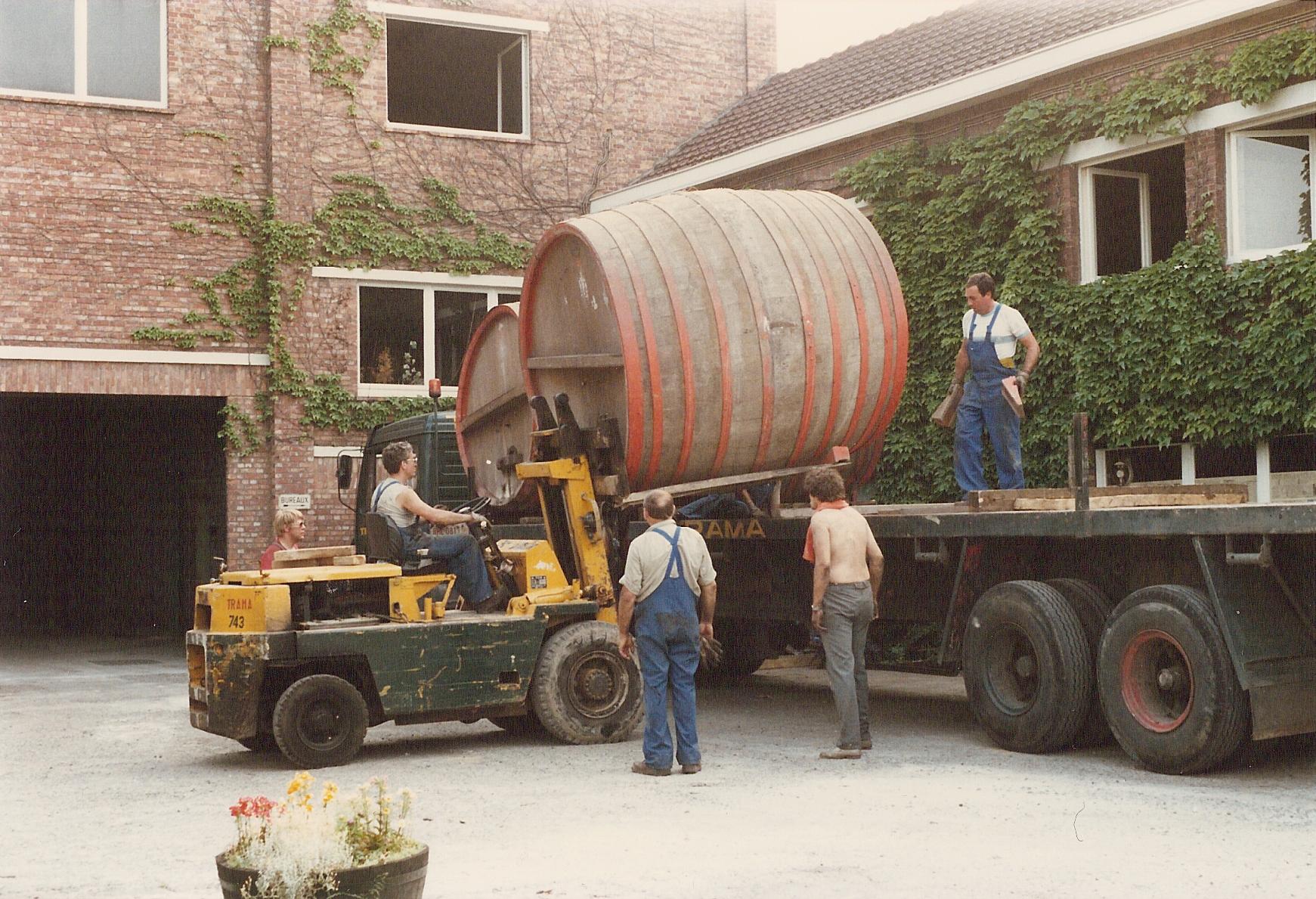
Foeders arrive at BOON in 1986
"We're repairing foeders that are maybe a hundred years old with wood that's two hundred fifty years old," says Karel Boon. "So that those foeders can last another one hundred years at least. We’re caretakers.”
Albert De Brabandere knows what he would tell his children about this responsibility. "It's probably the most fun and the coolest job to do if you look from the outside in," he says. "But if you choose for it, know that it's gonna be hard work for the rest of your life."
Céline Lefebvre's advice is practical. "Make the right choice," she says. "It's a life choice."
Karel Boon would say something similar. "There's so much work that you have to put in," he says. "But you know, it's with a lot of passion, it's with a lot of love for beer and it's with the idea of ensuring people can enjoy a glass of beer. We're making a lot of people happy with that."
Not worshipping the ashes. But keeping the flame alive.
