As Washington celebrates the fall of Nicolás Maduro, voices in Brussels are urging Europe to look past Trump and speak clearly for democracy for the Venezuelan people.
News that President Nicolás Maduro and his spouse were toppled by US forces on Saturday morning did not come as a huge surprise to Nelson Rosales, a Venezuelan father-of-two who has been living in Brussels for almost a decade. Rosales was previously a special adviser on EU affairs for Venezuelan opposition group Plataforma Unitaria Democrática.
In Caracas, where his parents still reside, "everyone knew it [the toppling of Maduro] was bound to happen", Rosales told The Brussels Times in an interview this week.
"My parents saw these huge helicopters going across the sky. And everyone in the building was shouting that 'Maduro has been killed… Maduro has been kidnapped…' It was a happy moment, my wife and I were just waiting for when that happened. She woke me up to say, 'He [Trump] did it'."
In a brazen display of power, US special forces snatched Maduro in the early hours of Saturday and flew him to a Manhattan federal courtroom, where he entered a defiant not guilty plea on Monday, claiming that he was a prisoner of war.
Prosecutors in their charging document alleged Maduro, his wife and son and their accomplices engaged in a cocaine-trafficking conspiracy and partnered with cartels designated as terrorist groups.
What was surprising to Rosales were the words from Washington, D.C. that followed. He described watching the press conference and feeling "shocked and in disbelief" as Trump openly admitted the operation was largely motivated by appropriating the country's resources.
"The feeling that my country is a nice cake and everyone wants a piece of it makes me very sad," he says.
Rosales was born in 1983 on the east side of Caracas, in El Atillo. Today he is nostalgic for the 1980s and 1990s, when Venezuela was flourishing. He recalls Plan Ayacucho, a state-funded scholarship programme that sent his parents and other Venezuelans who wanted to study abroad.
Plan Ayacucho was the start of his family's story. Back then, the country sent some of its nationals to pursue higher education abroad and bring back expertise in certain fields that benefited its oil industry.
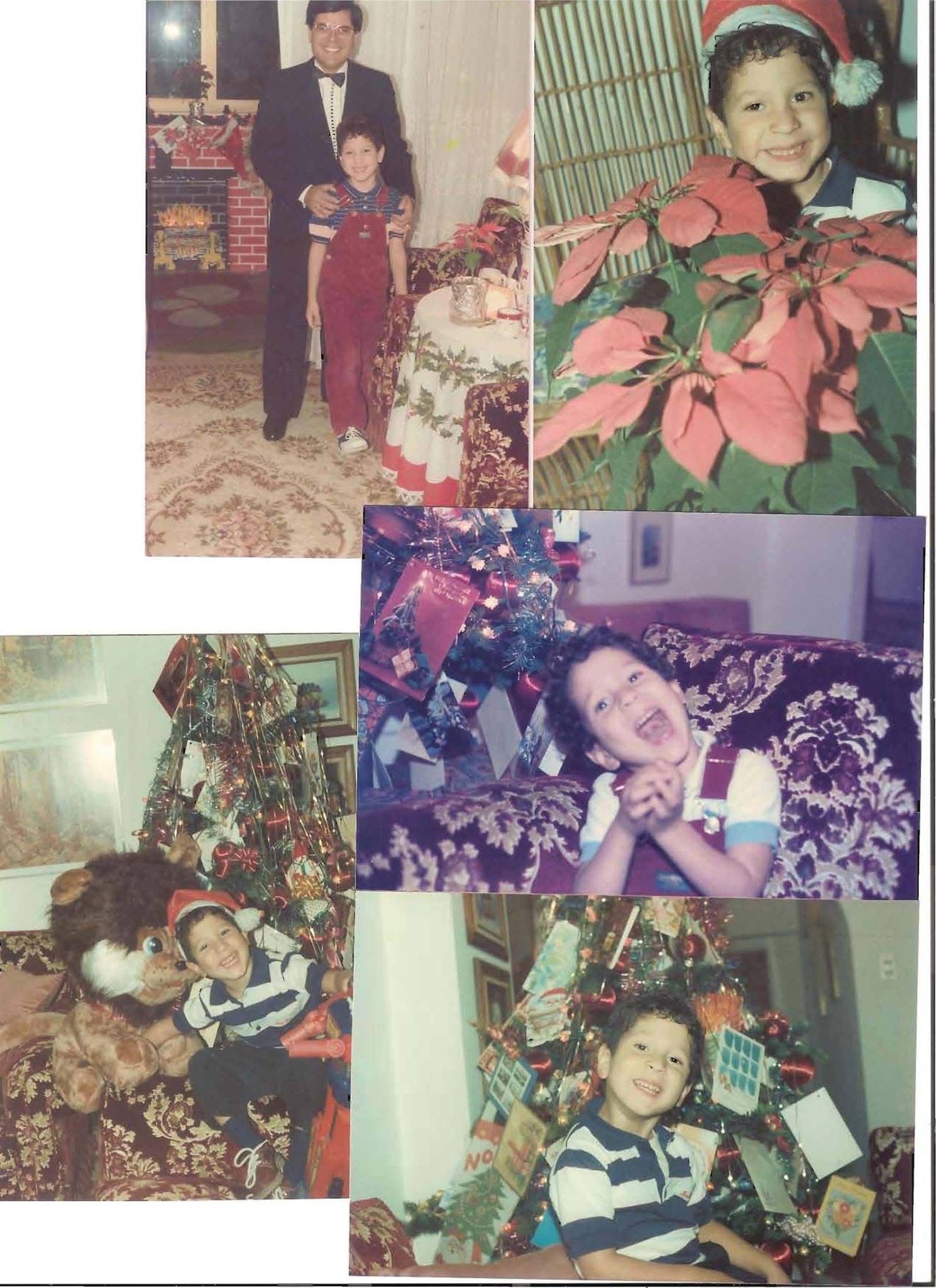
Nelson recalls a normal childhood where his country was flourishing. Credit: Handout
His parents were diligent enough to push him to study abroad. The situation in Venezuela was already starting to become volatile after the 1992 coup and the 1999 election of Hugo Chavez.
Rosales travelled to Canada, where he completed a PhD in law at the University of Ottawa. "I think that's one of the reasons why I actually studied law, because I saw all the meddling Chavez was doing to the Venezuelan constitution," he says.
Venezuela's brain drain is measured in the millions today, he argues, because people never return.
Before leaving in 2005, he worked at Chacao city hall and interned at the country's Supreme Court. "I saw with my own eyes how the situation was now no longer a democratic country, when you see decisions of the Supreme Court being made because of political affiliation," says Rosales.
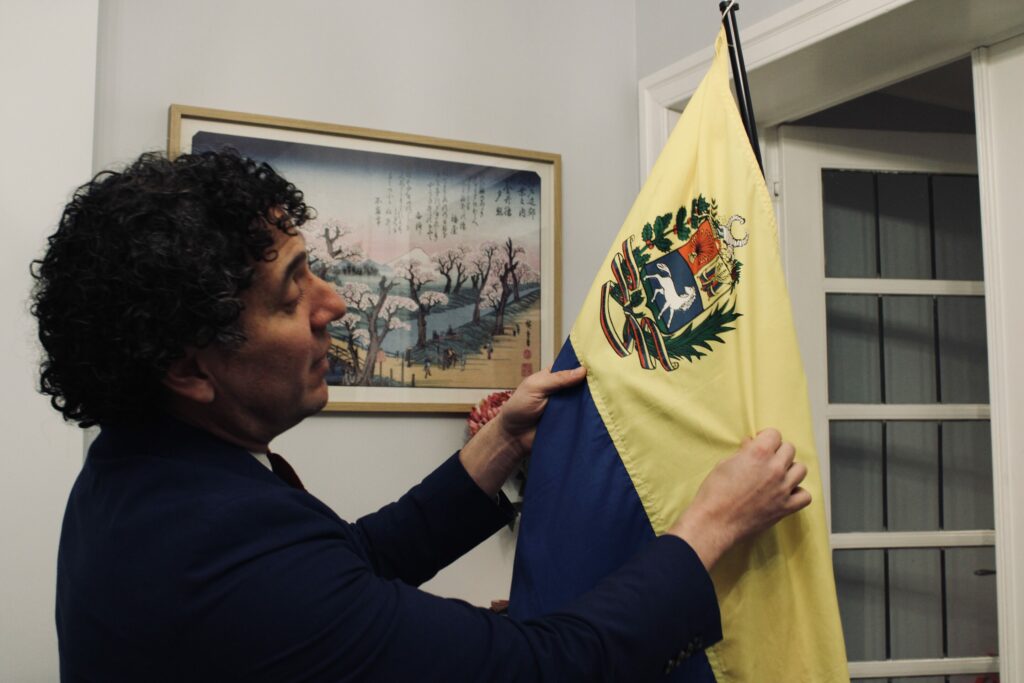
He remembers his first protest as a teenager, and the symbolism of the object he carried. "My mom gifted me the original Venezuelan flag for my first time protesting on the streets," he adds.
In 2006, Chavez added an eighth star to the flag representing the historic Guayana Province, and changed the direction of the white horse from right to left. Opposition parties rejected the reform and continued to use the former seven-star flag.
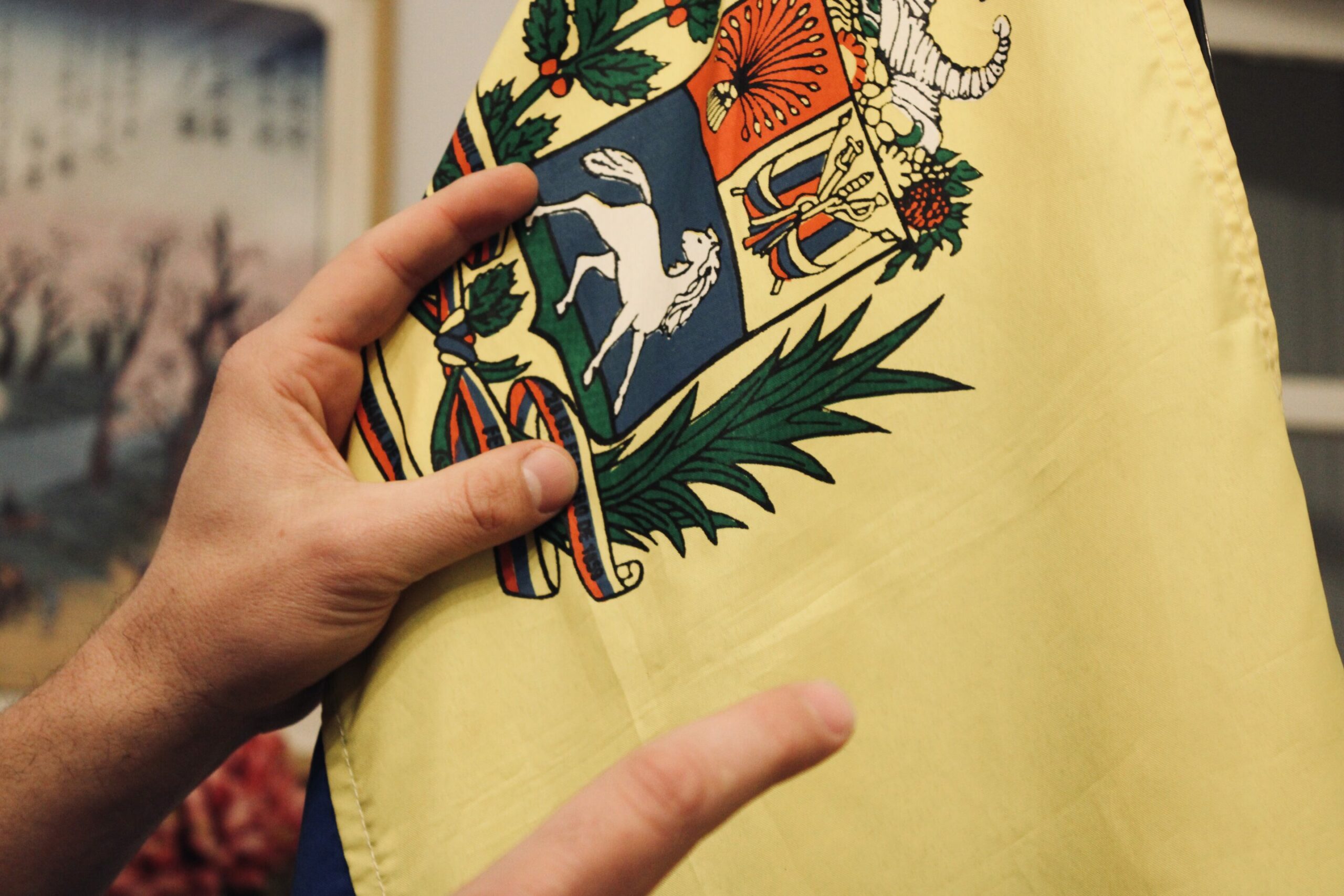
Pre-2006 Venezuelan flag. Credit: The Brussels Times/Anas El Baye
His parents, who are both former academics, receive pensions no higher than $3 per month, in an economy where "a litre of chocolate drink is $4 and a double cheeseburger menu is $12".
"They call me from the mall because the internet is very expensive, so they go there where the Wi-Fi is free. When we talk, we have to use codes…You use words to avoid being heard and arrested."
Today, his parents rely on foreign assets, including rental income from the US, where they invested in an apartment. "But what happens if Trump decides to cut the flow of that money? It is extremely worrisome," said Rosales.
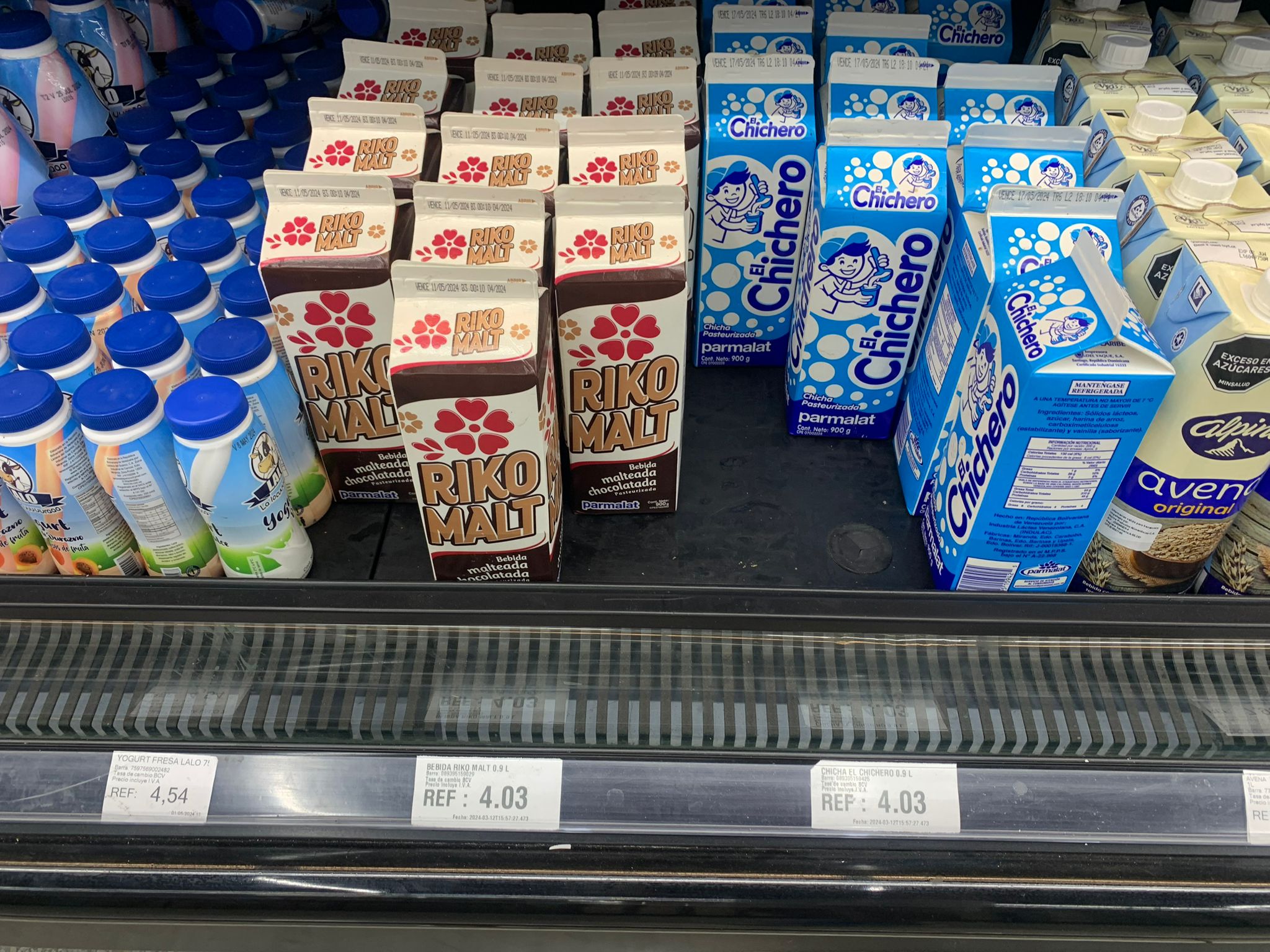
Prices of dairy products in Venezuela in 2025. Credit: Handout
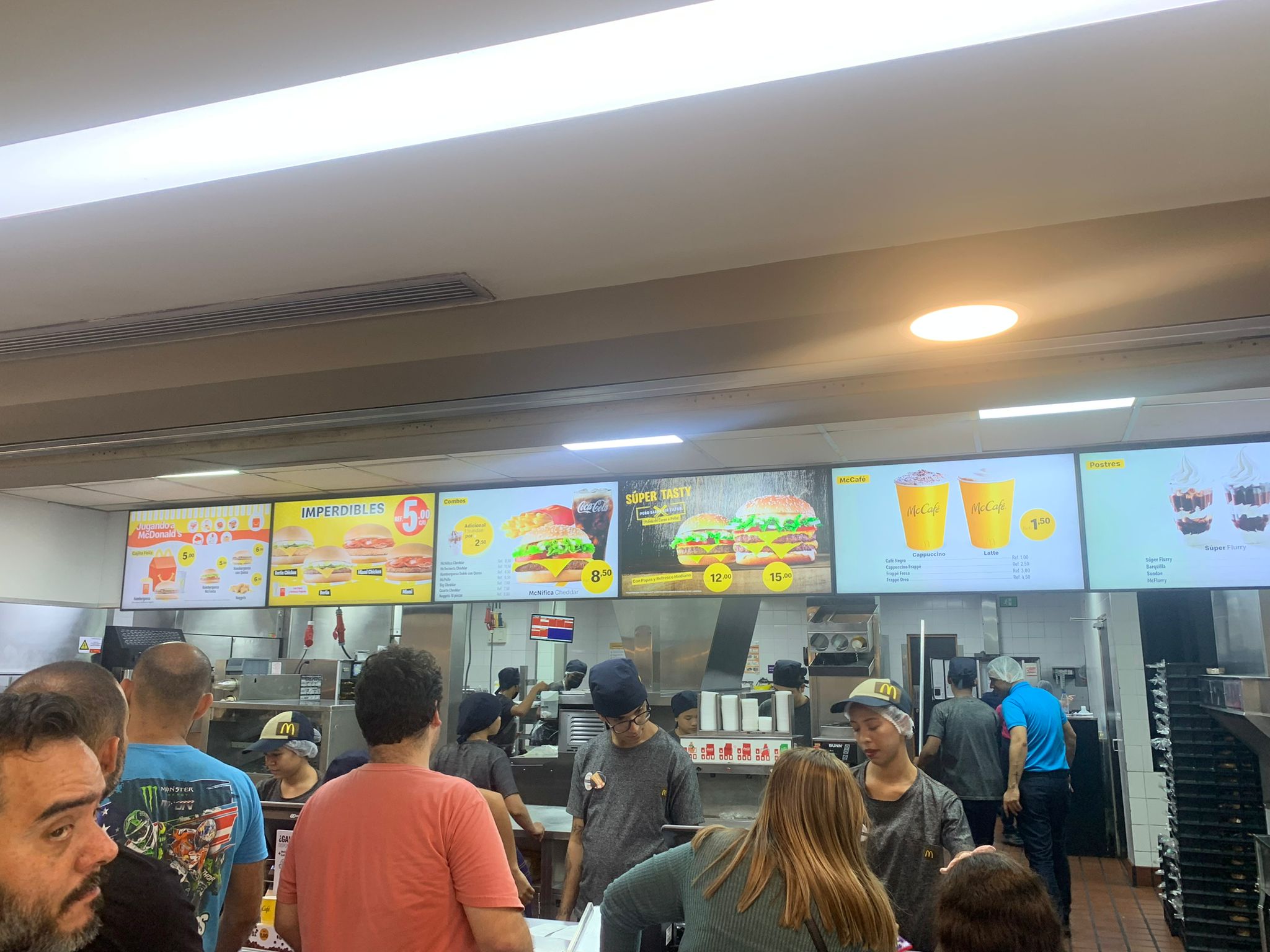
Burgers prices in Venezuela in 2025. Credit: Handout
Brussels
The US decision to seize Venezuela's leader led to strong criticism from both its friends and foes at an emergency meeting of the United Nations Security Council on Tuesday.
Many member states agreed with the US that Nicolás Maduro had been an illegitimate and repressive leader.
But many also condemned the US military action as a breach of international law and the UN Charter, and they demanded a democratic transition that reflected the will of the Venezuelan people.
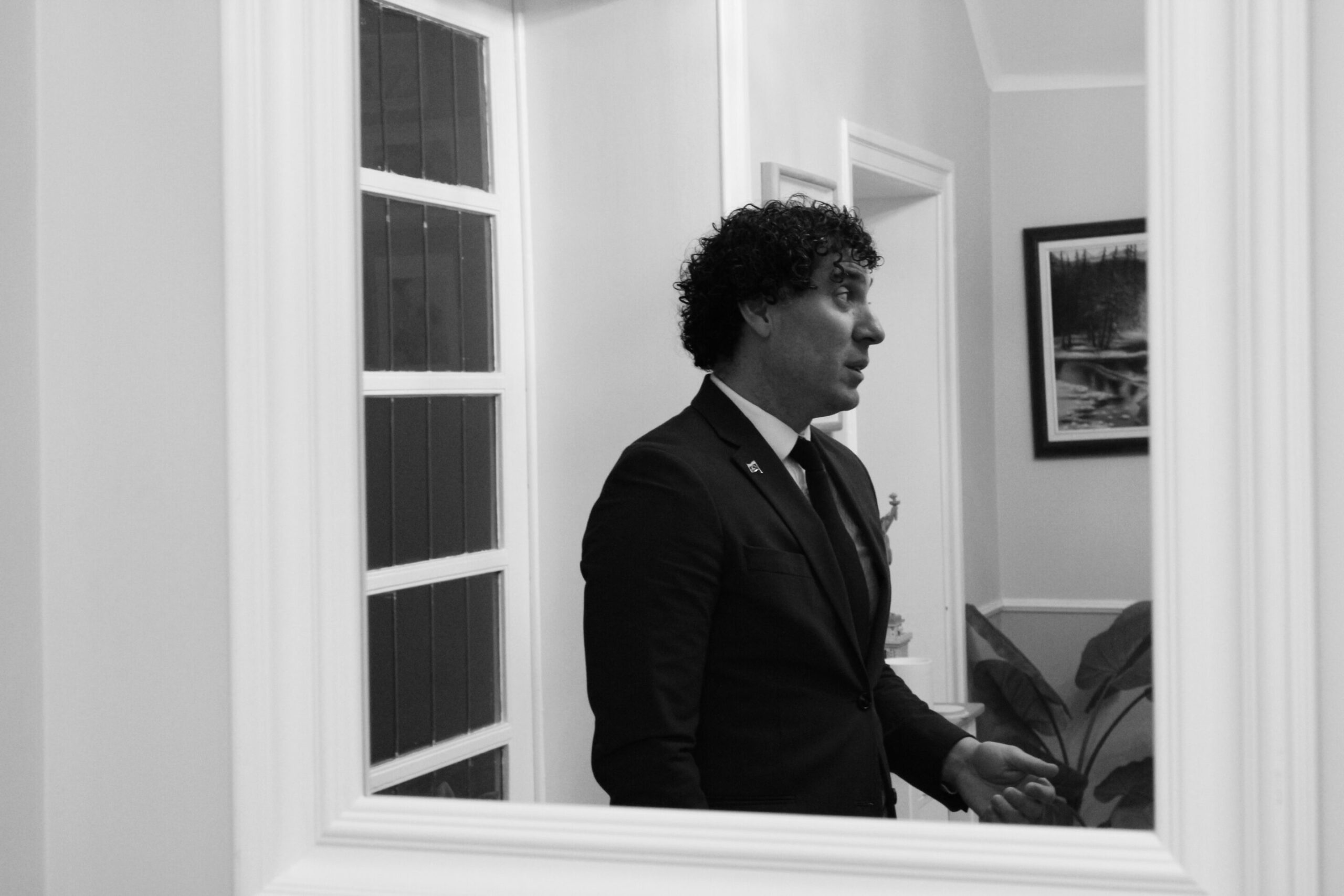
Nelson Rosales. Credit : The Brussels Times/ Anas El Baye
For Rosales, it is the responsibility of Brussels to stand up for the will of the Venezuelan people. He is not asking Europeans to warm to Trump. He is asking them not to let their distaste for the US president influence their views on what is happening in Venezuela.
For him, it is not about left and right - it is about a dictatorship repressing its own people. "We want democracy back in Venezuela," he says.
And if America can no longer be counted on, then Europe, he suggests, has a choice to make. It can retreat into caution, or it can become louder.
