
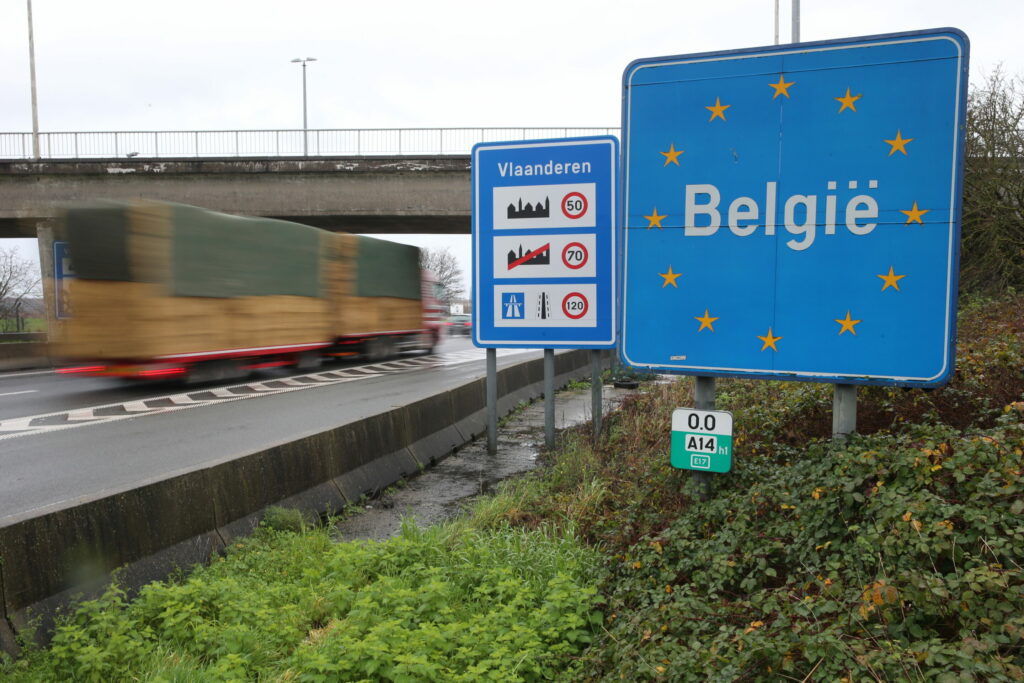
A draft proposal on tightening checks on EU citizens looking for work in Belgium was recently given the green light by the Council of Ministers.
When applying for a residence card, EU citizens wishing to stay in Belgium for more than three months must provide additional evidence that they are seeking work. After six months, they will also have to demonstrate that they have a realistic chance of actually finding work.
"In practice, we see that some people do take steps initially, but after obtaining a residence permit, they no longer make any serious effort to look for work and subsequently apply for social assistance," said Asylum and Migration Minister Anneleen Van Bossuyt (N-VA), who proposed the new rules.
"But that right is no free pass. After six months, it must be clear whether someone is actually making an effort. For those who cannot demonstrate this, we will withdraw their right of residence," she said. "The right of residence is for those who meet the conditions, not for those who use the rules as a backdoor to social assistance."
Asked whether the new rules comply with EU law on free movement for EU citizens, a spokesperson for the European Commission replied that it does not comment on draft legislation in EU Member States.
However, the spokesperson clarified the Commission’s general position, referring to the Free Movement Directive 2004/38/EC on the right of citizens of the Union and their family members to move and reside freely within the territory of the Member States.
To enjoy a right of residence for more than three months, EU citizens need to comply with the conditions laid down in the directive. The general principle is that if they do not work, they must have sufficient resources for themselves and their family members so as not to weigh on the social assistance system of the host Member State.
Member States may refuse to grant social assistance to economically inactive EU citizens and EU students who do not comply with the requirement to possess sufficient resources for themselves and the members of their family and who, as a result, do not reside in accordance with EU law.
This means that economically inactive EU citizens are unlikely in practice to be eligible for social assistance benefits, according to the spokesperson.
