
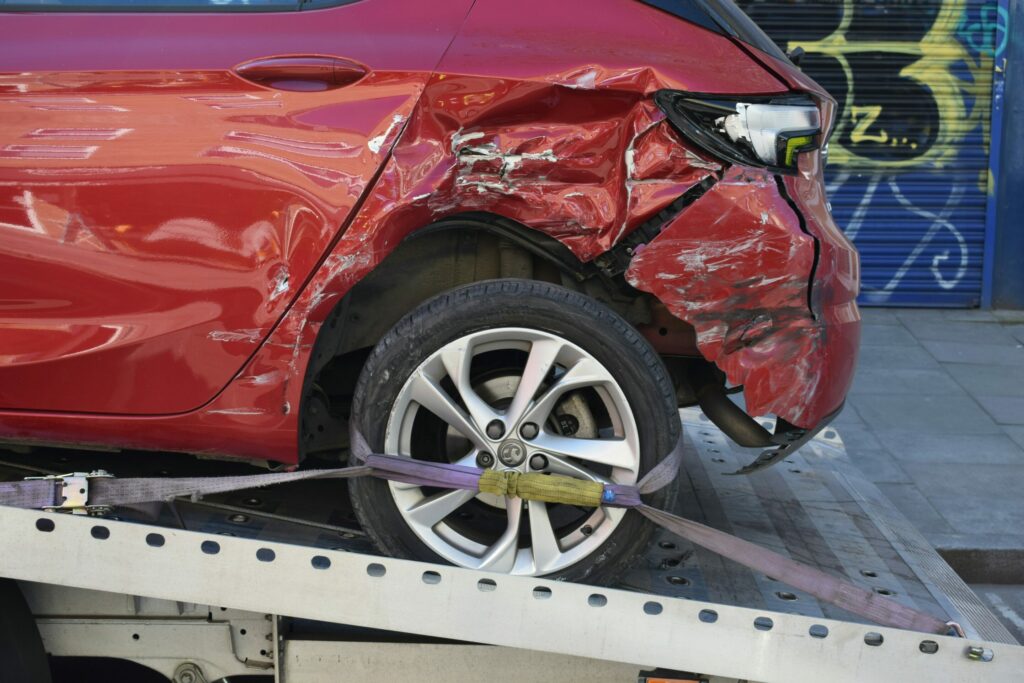
Getting into a car accident is an unsettling experience. Those first moments of the aftermath largely determine whether, and how much, we can reduce the damage done to us, the vehicle and to our pockets.
Research by insurer Assuralia shows that five in 100 Belgian-insured vehicles are involved in an at-fault accident each year.
"Young drivers have a higher accident frequency, while people with many years of driving experience are slightly below that figure, but the national statistic remains 5%," said Peter Wiels, spokesperson of Assuralia, Belgium's leading insurance industry federation, to The Brussels Times.
The Belgian highway code requires you to stop at the scene of a crash.
First steps
If you are involved in a crash, whether it is a bump or a more serious collision, the most important thing is to check whether anyone is hurt.
Bear in mind that adrenaline from a crash can mask pain in the immediate aftermath. Asking if other parties are injured is paramount.
If this is the case, call the 101 emergency centre. They will alert the police, an ambulance service and a tow truck.
Even if the other person is at fault, stay as calm as possible. Accidents cause stress and heightened emotions, but keeping calm and managing your emotions will resolve the situation more quickly.
Pull over to a safe area, switch off the engine, and activate the hazard warning lights. Although there's no legal requirement, putting on a Hi Vis jacket is recommended.
Place a warning triangle at the correct distance: at least 30 metres behind the accident, and 100 metres on motorways.
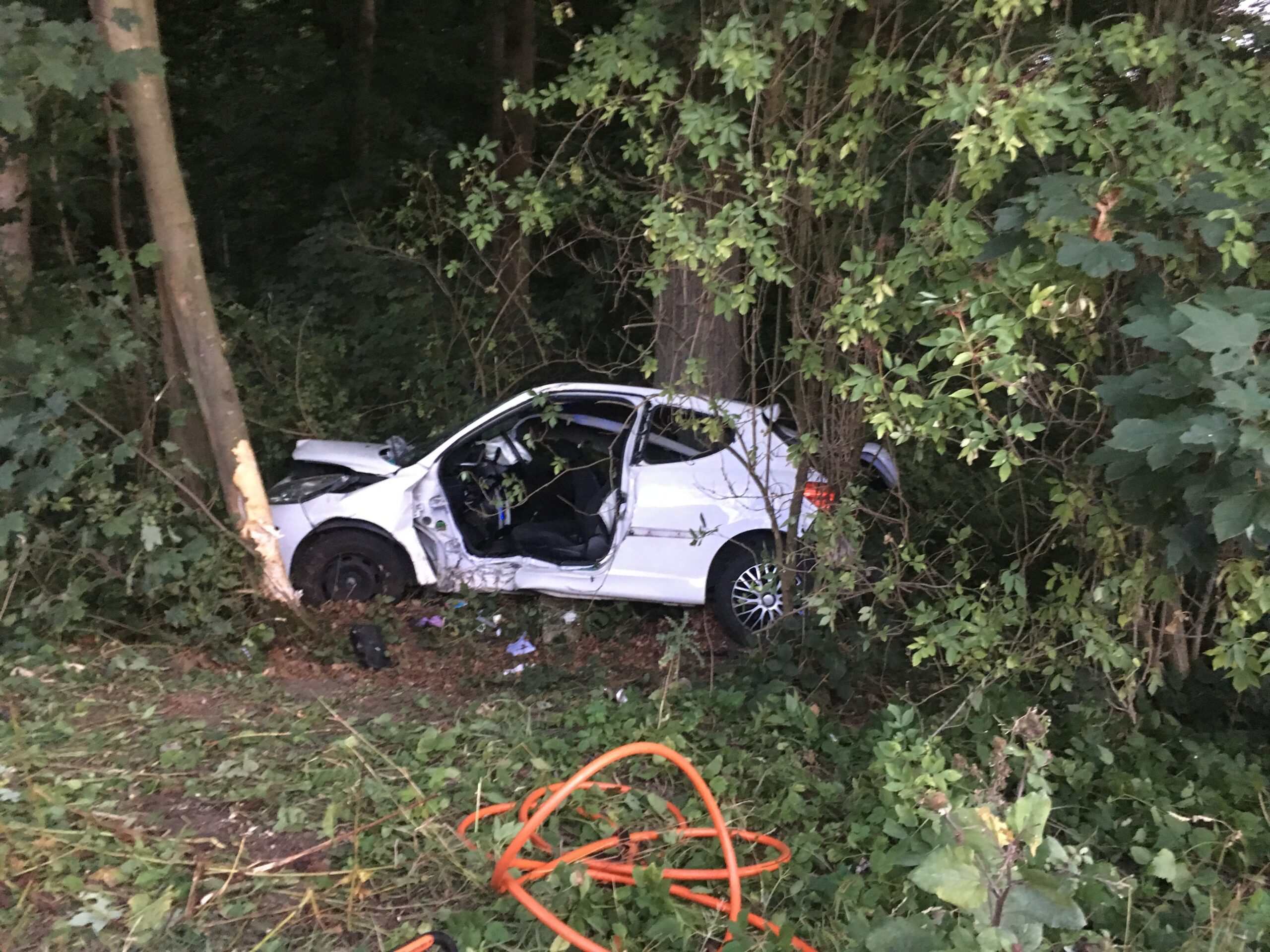
If you are involved in a crash, whether it is a bump or a more serious collision, the most important step is to check whether anyone is hurt. Credit: Belga
Should you call the police?
It depends on the situation. If both parties are present after the accident and no one is injured, you do not need to call the police as long as the settlement is amicable.
In this case, simply fill out the European accident report form together, signed by both parties. "We always recommend filling in the European accident statement. It's the safest and clearest option for everyone," Wiels insisted.
But this can be tricky because, sadly, accident fraud is not uncommon; some can present fake documents or pressure you to admit liability. "It is not illegal to settle a collision privately, but we strongly advise against it," Wiels added. Elderly drivers can also be victims of fake road accidents.
If the other party leaves the scene without giving details, or you think they might be under the influence of drink or drugs, uninsured or have caused the accident intentionally, call the police.
If no one is injured, but you can not agree on how the accident unfolded, call the police to avoid a lengthy dispute.
If the accident involves a hit-and-run, you must file a report at the police station. Police officers will only come to the scene if strictly necessary.
What should you do next?
Call your insurer right away. They can reassure you and remind you what to do. They will also insist that you take as many photos of the accident as possible, clearly note the circumstances in which it occurred.
Most drivers benefit from an assistance service that, in the event of an accident and/or breakdown, can provide on-the-spot repairs or arrange for the vehicle to be towed.
Keep the assistance service's phone number saved in your phone and on paper in your car.
Pictures serve as evidence, including number plates, the damage made to the vehicles, placement of the vehicles, road signs and traffic signals. An image is more reliable than post-incident recollections.
Filming is not illegal, but publishing or sharing the footage is a legal grey area, as it may violate the privacy of the parties involved.
If possible, move the cars so they do not obstruct traffic, and so you can complete the formalities in safety.
If you have called the police, it is better to wait for them to arrive so there is no dispute about the findings.
Can you get a witness?
It can be helpful to find any witnesses to the accident and get their contact details. Also, find out if the other driver is the car's owner; it might be a company car.
And should a foreign truck be involved, be aware that the tractor and trailer might have different registration numbers, so make a note of both, as well as the haulage company's name.
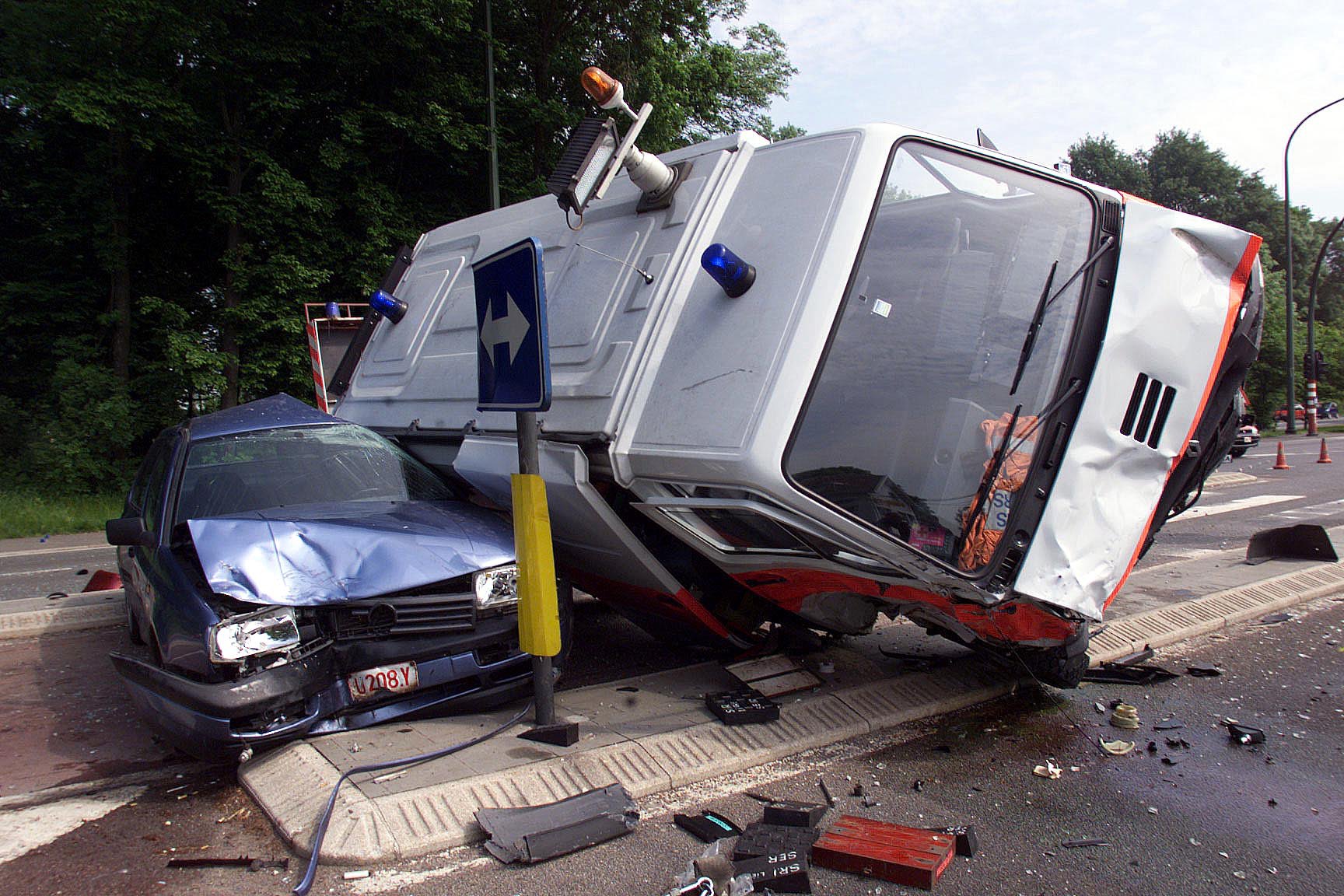
It can be helpful to find any witnesses to the accident and get their contact details. Also, find out if the other driver is the car's owner; it might be a company car. Credit: Belga
Which app should you use?
Some insurers have their own app for digital claims. You can also download free apps created by independent bodies.
The most user-friendly app is Assisto, designed for use across Europe with 13 languages available.
Once you've filled in your part of the form, you can even switch languages so the other party can read it in their own language – useful if you have an accident while travelling across Europe.
You can also switch between your data and the FAQs at any time for extra guidance. Assisto also offers an extensive list of accident diagrams, so you can simply tick the correct one.
Send the accident report (paper version)
If you use the Crashform app, the report is submitted in real time. If you have filled in a paper accident report, declare the claim as soon as possible.
Under an agreement between insurance companies, your insurer will usually compensate you first, if you were not at fault, before recovering the amount paid from the insurer of the liable party.
When this agreement does not apply (for example, when a foreign vehicle is involved), your insurer will guide you through the compensation procedure.
Who should you contact to claim compensation for your losses?
The health insurance fund reimburses medical care according to legally imposed rates.
In addition to the compulsory motor third-party liability insurance, other private insurance policies may intervene after an accident, which can be particularly useful if you were at fault.
Employers' Liability (EL) insurance or Occupational accident insurance will compensate people injured on their way to or from work or during a business journey. Hospitalisation and personal accident insurance, including driver insurance, will intervene in the event of bodily injury.
For material damage to vehicles, comprehensive all-risk insurance will compensate you accordingly.
What are your rights?
If you are the victim of damage caused by someone else, you are free to use the compensation paid to you as you see fit.
Comprehensive insurance may include specific benefits, such as providing a replacement vehicle if the repairs are carried out by a garage approved by your insurer.
Legal protection insurance helps you assert your rights and defend yourself (for example, in the event of a dispute over liability or criminal proceedings).
"The number one advice is to fill in the accident statement properly, sketching the incident on the report is also crucial, drawing the road layout and the direction of travel, also staying calm and collected, and resorting to the police to avoid unnecessary disputes," Wiels concluded.
