
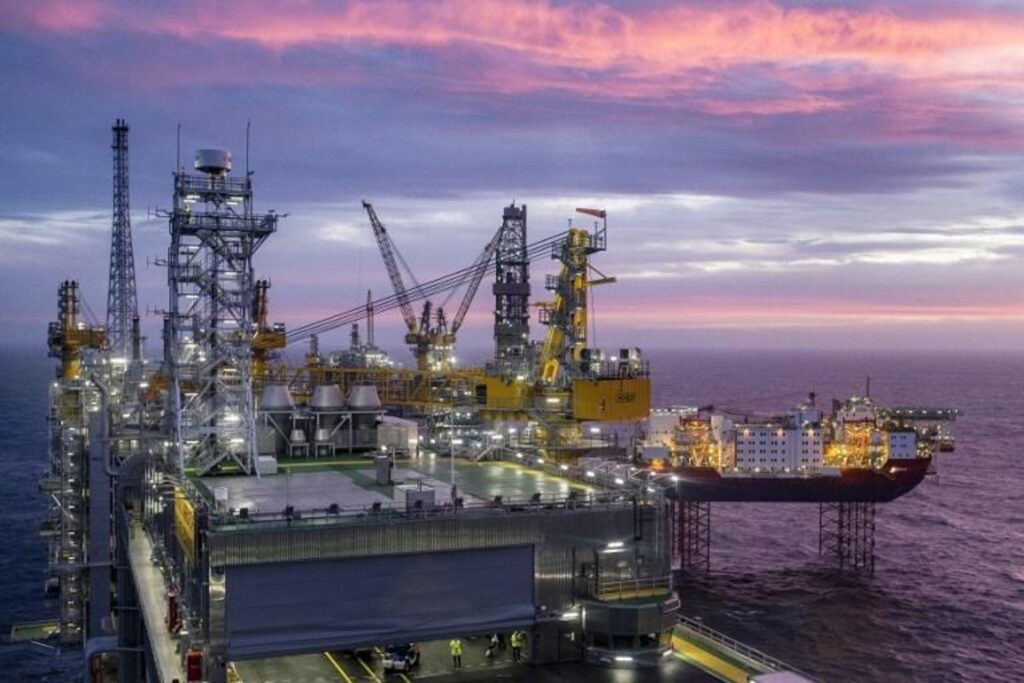
Since the imposition of the embargo on Russian oil, Belgium's industry has turned to multiple other countries to import crude oil. Last year, imports from Norway rose by 52% compared with 2022, and those from the US by 53%, according to figures from the multi-energy federation Energia.
Norway alone accounts for 16% of Belgium's imports, while the US accounts for 13%. The rest of North and South America is still marginal, but is growing strongly. Belgium imported three times as much oil from Canada and five times as much from Brazil.
Each of these countries now accounts for 4% of total imports. Russia's share has fallen from 22% to 0% in the space of a year, as a result of the European embargo on Russian crude oil, which took effect on 6 December 2022.
With a share of 47.4%, oil remains by far the main source of final energy consumption in Belgium, followed by gas (24.7%), electricity (17.90%) and renewable energies (7%), says Energia. Three sectors consume the majority of oil: road transport (34%), maritime transport (29%) and petrochemicals (30%). Aviation accounts for 7%.
In road transport, diesel accounted for 68% of total consumption last year, compared with 32% for petrol. "The share of diesel continues to fall: in 2015, it still accounted for 82% of total consumption, compared with 18% for petrol.
This trend is in line with the fall in new diesel car registrations in Belgium. The volume remains high because almost the entire lorry market runs on diesel," analyses the industry federation.
Excise receipts from fuels for the State stood at €5.9 billion excluding VAT in 2023, an increase of 15% compared to 2022.
