
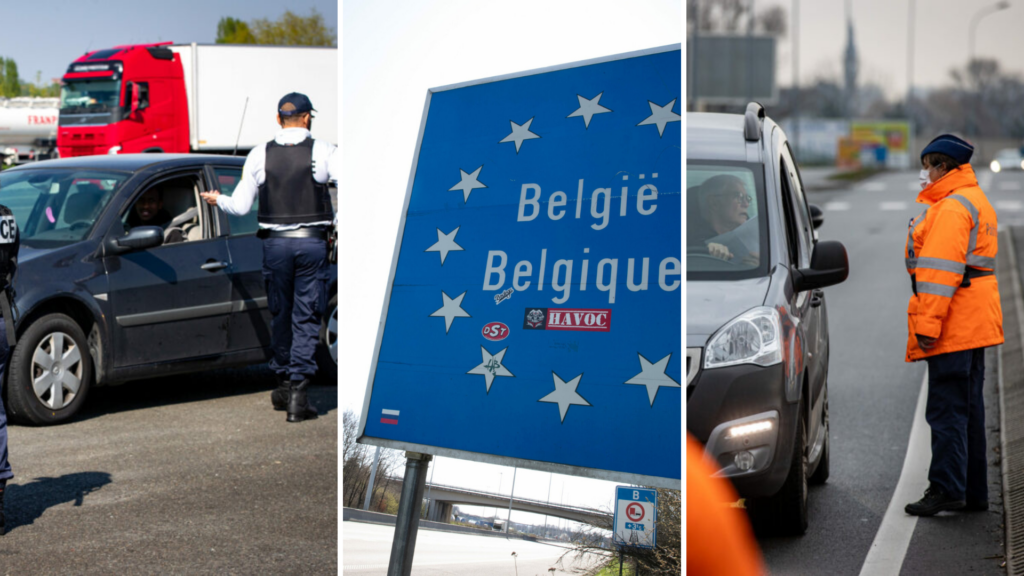
Free movement is one of the core principles of the EU and is seen by citizens as one of the bloc's largest achievements. Whilst the Single Market makes the strongest argument for the EU in economic terms, unimpeded travel between Member States is most appreciated in daily life.
Yet the ease with which EU nationals (which itself points to the confederal system) flow between individual States faces fresh challenges as some countries introduce border controls that contravene the Schengen principles. The Union's two major nations Germany and France have both cited terrorist threats and illegal migration as justification to, temporarily, enforce their borders.
This has led to fears that stricter checks will trigger a chain reaction, with borders throughout the bloc becoming much less fluid. Already queues have been seen on Germany's border and travellers have been warned that delays might arise on the border with France.
So far, the impact in Belgium has been limited. Not all vehicles are stopped, and these mainly on principal cross-border routes. And whilst the Schengen Border Code introduced earlier this year lays the legal grounds for border controls – in the context of large-scale public health emergencies or to combat criminal organisations behind illegal immigration networks – this should only be done as a last resort.
As a result, some experts have raised concerns that the legal fundaments of the Schengen Area are being undermined, which can also damage established (and legal) asylum procedures. Indeed, migration experts are sceptical about the extent to which these measures will disrupt criminal networks, which will have little difficulty in circumventing the checks.
Instead, it feeds into an anti-immigrant agenda evoked by far-right parties in the ascendency across Europe. Border checks are a costly exercise that diverts resources and brings economic costs by creating friction along borders. Technological solutions, such as ANPR cameras, provide a more cost-effective means of surveilling borders and identifying criminal activity. But police presence sends a stronger visual message about European security.
Belgium in Brief is a free daily roundup of the top stories to get you through your coffee break conversations. To receive it straight to your inbox every day, sign up below:
1. Over 700 arrests made in two months in Northern District crackdown
A series of co-ordinated actions focused on drug dealing, pickpocketing, and illegal behaviour by business owners. Read more.
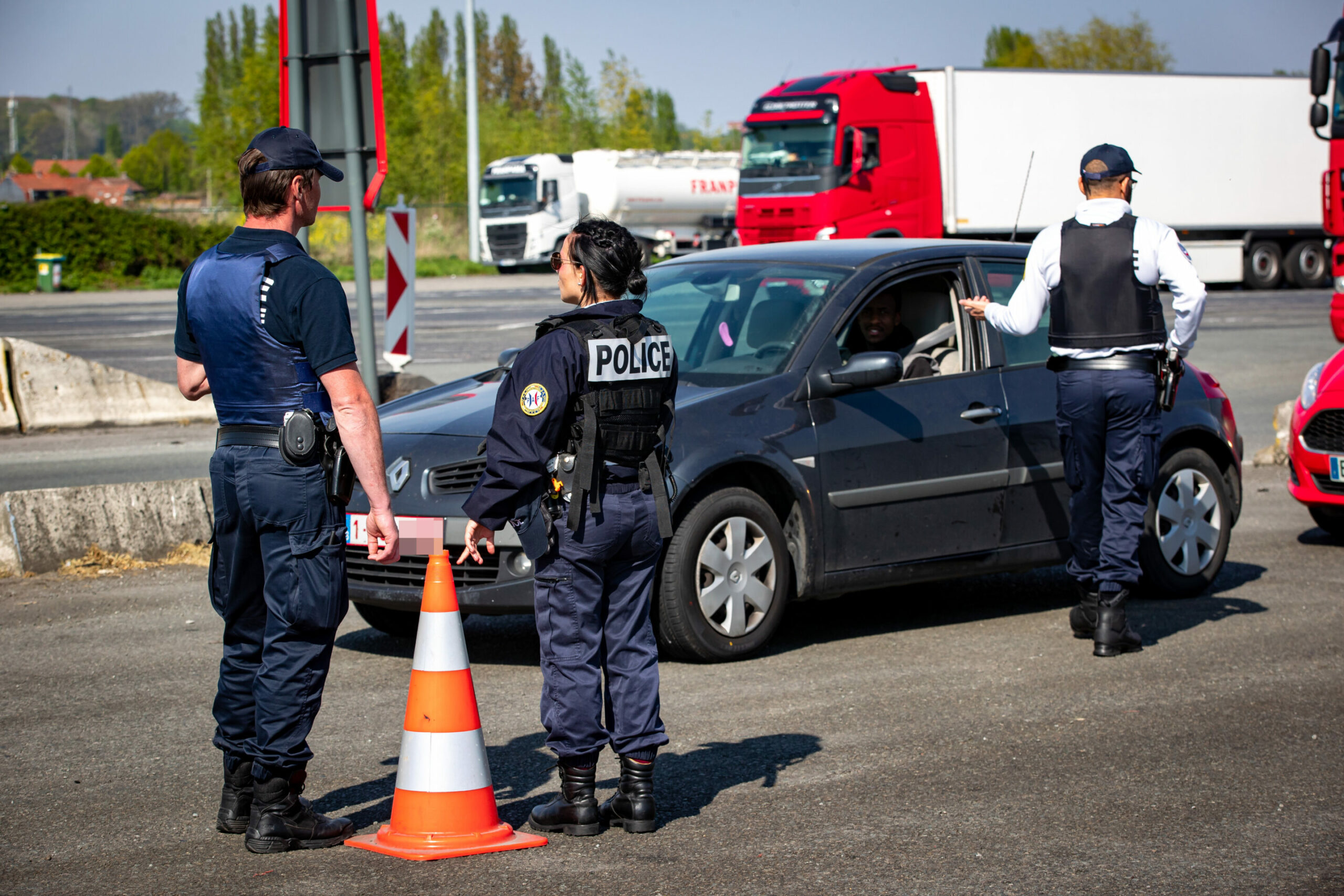
2. France reintroduces border controls: What does this mean for Belgium?
As France is preparing to reintroduce border checks, what should people visiting the country in the next six months bear in mind? Read more.
3. Brussels local elections: Who will be governing where for the next six years?
Now that the dust has settled after the local elections, The Brussels Times looks at who will be governing in each of Brussels' 19 municipalities. Read more.
4. Greenhouse gas levels reach record high in 2023
"Another year. Another record... We are clearly off the track to meet the Paris Agreement goals." Read more.
5. ‘Worrying surge’ in discrimination against Muslims in Europe
"The phenomena are pervasive and persistent... This is made worse by the dehumanising anti-Muslim rhetoric we see across the continent.” Read more.
6. Vlaams Belang is still negotiating its position in several Flemish communes
The far-right leader says there is a possibility that more Flemish municipalities will violate the 'cordon sanitaire' around his party. Read more.
7. ‘These are the animals behind your meat’: Activists put stickers on Lidl products
"Lidl and other stores proclaim with great bravado that rabbits are treated with respect. Undercover images show that this is not the case." Read more.
