
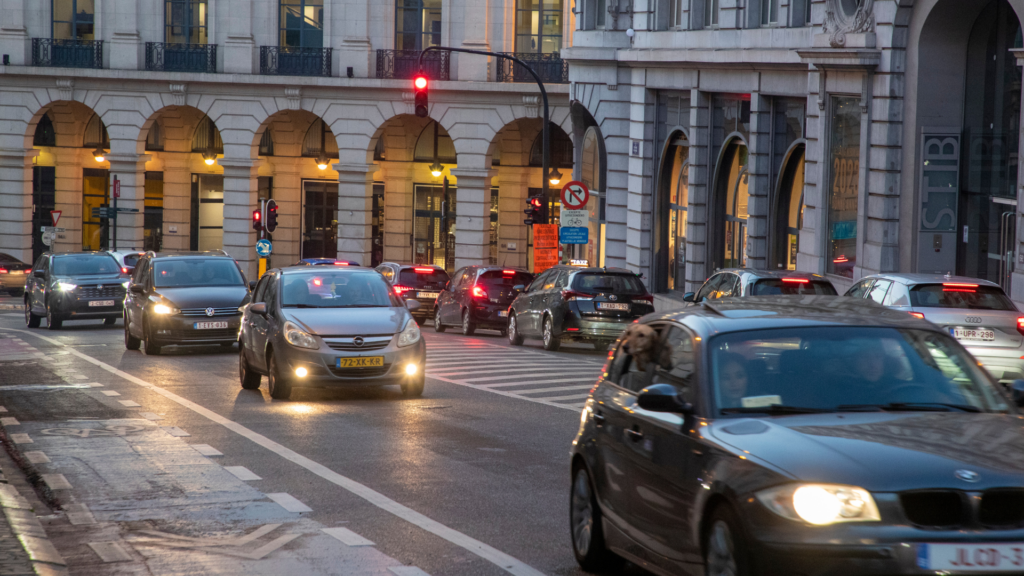
The sales of second-hand cars in Belgium last year rose to the highest level recorded in almost a decade. The share of polluting cars continued to decrease.
The number of second-hand cars sold in the country increased to 727,650 in 2024, a 5.6% rise compared to 2023, according to Traxio, the organisation representing automotive repairers and sellers. This marks the highest number of registrations since 2015.
"The professional organisation and easy availability of second-hand cars, combined with falling prices, are convincing many consumers to opt for a used vehicle," said spokesperson Filip Rylant. "The fact that there are fewer 'affordable' new models available, and consumer are uncertain about which type of engine to choose, also works in the second-hand market's favour."
More than half (55.1%) of the newly registered second-hand cars had petrol engines, while the share of diesel cars dropped to less than a third. The proportion of other fuel types grew slightly to 14.3%.
As expected, the share of "green" vehicles is slightly lower: hybrid vehicles accounted for a market share of 10.6%, and fully electric models made up 3.2%. Traxio expects a significant drop in the second-hand market for electric cars now that the Flemish premium to encourage people to buy an electric car has been discontinued.
Predominantly private business
The majority of registrations (90%) were made by private individuals. Meanwhile, the share of company cars in the second-hand market fell slightly to 10%.
Among second-hand cars, Volkswagen was the best-selling car brand in 2024, followed by BMW, Mercedes, Opel, and Peugeot. The most popular models were the VW Golf (29,393), VW Polo (20,821), and Opel Corsa (18,837).
The median age of registered second-hand cars is seven years and 11 months, an increase explained by the ageing vehicle fleet. Traxio argued this trend is detrimental to efforts to reduce emissions and promote greener vehicles.
