
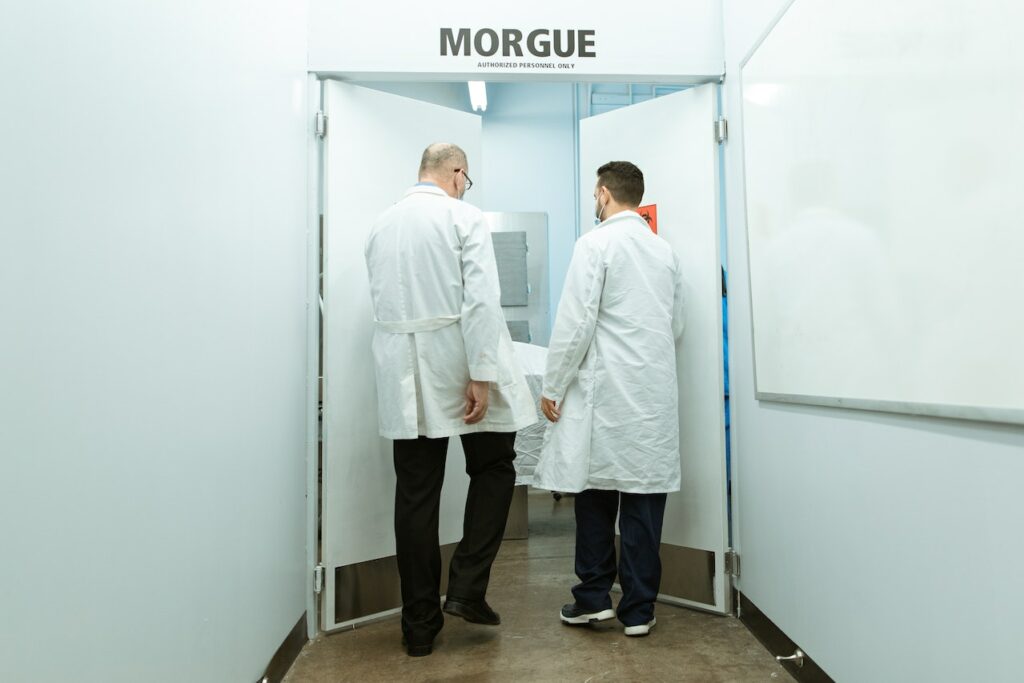
Nearly 500 people (494) donated their bodies to science in 2024, according to a round-up of Flemish universities by the Belga News Agency. KU Leuven is in the lead, followed by the universities of Ghent and Antwerp.
KU Leuven is the absolute leader with 161 donations – 17 more than the previous year. The University of Antwerp (UAntwerpen) also notes an increase. "In 2022 we received 85 bodies, in 2023 97, in 2024 there were 116," said spokesperson Peter De Meyer. The university does not know what led to the increase.
128 body donations were made to the UGent University, a similar number to previous years. "That figure remains stable, usually around 100 or so donations. Sometimes we have to introduce a temporary stop, but that is normal."
UHasselt, with 26 bodies in 2024, saw a similar number to previous years. That university does notice an increase in the number of people applying for the procedure. The university also finds it difficult to give a cause for the increase. "It seems to us that there is generally more attention to body donation in the media."
Natural deaths can be considered
The VUB (Vrije Universiteit Brussel) also sees that the figure remains stable. In 2024, there were 63 bodies, the same number as the year before. "With the number of donations we receive now, we can guarantee operation for our students," Professor of Anatomy Steven Provyn told VRT. "But for scientific research, it never hurts to get more donations."
"Anyone who has died a natural death can be considered. Even people with hip replacements or who have been seriously ill before. People who have died of infectious diseases like Covid-19, unfortunately, we cannot accept."
Those who wish to make their bodies available to science after death should have this included in a last will and testament and best contact the university of their choice in advance.
