
In nearly half of heterosexual couples (46.4%), both partners work full-time, according to an analysis of the employment situation of couples carried out by Belgian statistics office Statbel on the occasion of International Women's Day on Saturday.
The analysis shows that the share of full-time working partners has increased by a third since 1999 – at that time it was 34.2%.
In 1999, in a quarter of couples, only the man worked. That figure dropped to 14.2% in 2023. The combination of a full-time working man and a part-time working woman amounted to 26.2% in 2023, compared to 29.1% in 1999. By 2006, a third of couples were in this situation, but since then, that percentage has gradually decreased.
Other combinations, in which the man works part-time or does not work, are much less common. Their combined share did increase slightly, from 11.1% in 1999 to 13.2% in 2023.
Impact of children
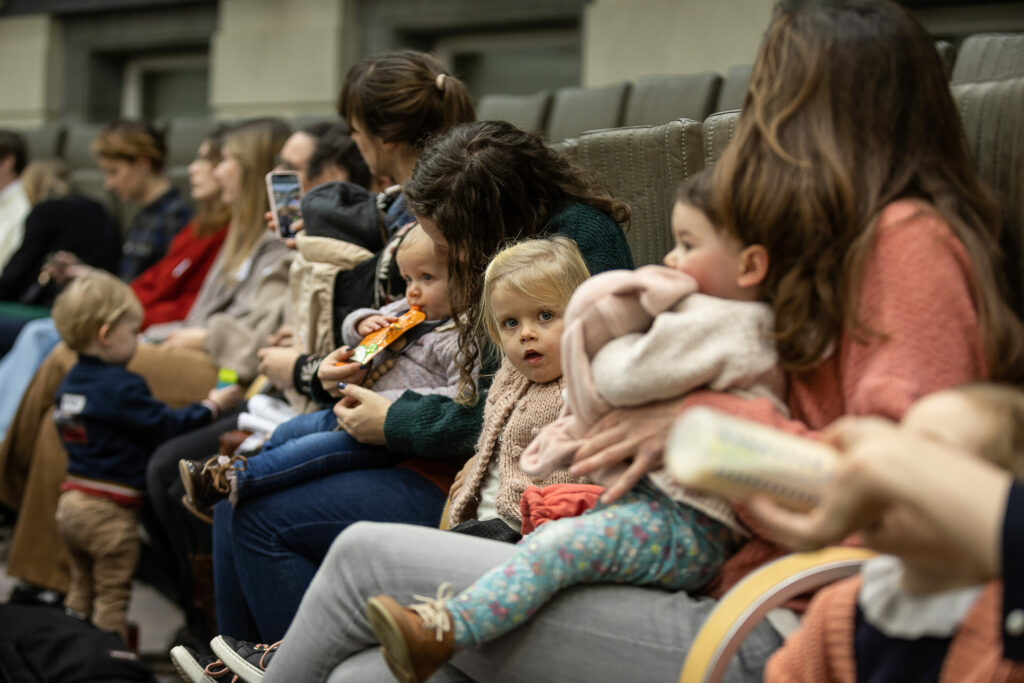
Children are the factor that most strongly influences the partners' work situation. Without children, in 61.3% of couples, both the man and the woman work.
As soon as there is one child, that percentage drops to 45.7%. If there are two children, in 46% of couples both partners work full-time. However, in that case, the woman works part-time in 30.9% of couples, compared to 17.4% of couples without children. If there are three or more children, in a quarter of couples, both the man and the woman still work full-time.
Statbel also notes that the more children a woman has, the more often she works part-time. For men, that percentage remains stable: 7% of them work part-time, regardless of the number of children.
A fifth of childless women work part-time, but if they have three or more children, this rises to more than half (52.7%).
Statbel found that in same-sex couples, both partners work full-time more often than in heterosexual couples – for two men, this is as much as 66%, for two women it is 48%. Statbel does add that it does not have enough data for same-sex couples to perform the same analyses.
For this analysis, unpaid work, such as housework or volunteer work, was excluded, Statbel added.
