
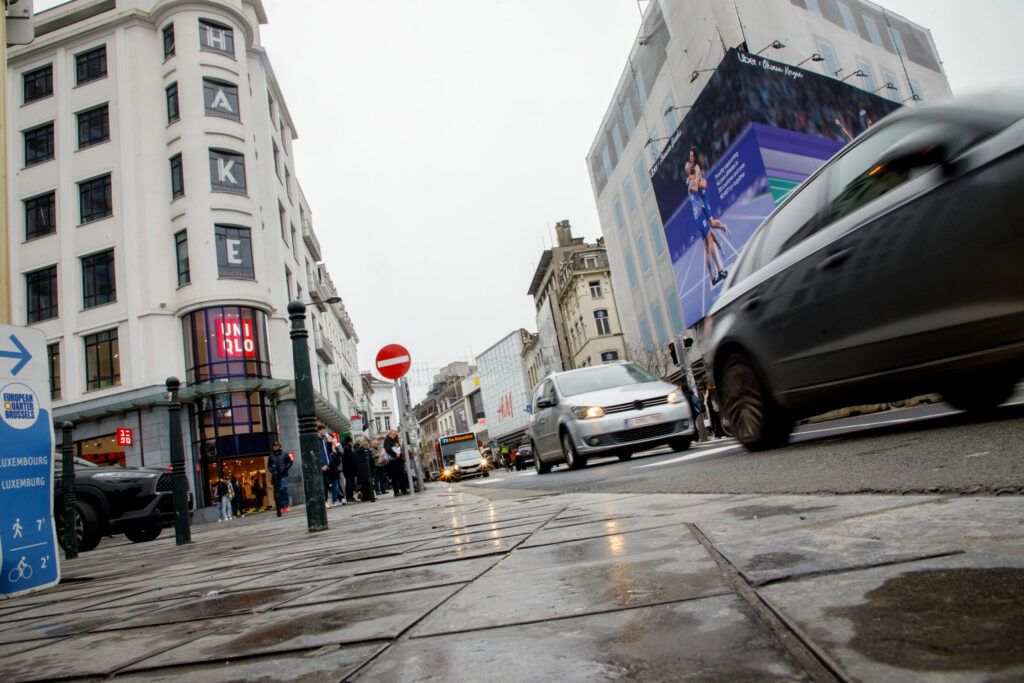
Belgian households are spending less on transport as part of their daily expenses. Transport spending remains below pre-pandemic levels, suggesting a "more sustainable change in mobility behaviours," according to an analysis by the Federal Planning Bureau and the Mobility and Transport Ministry.
Before the Covid-19 pandemic, transport expenses were increasing faster than other household expenditures in Belgium, accounting for around 12% of total costs in 2019. However, the pandemic caused a significant drop in this type of spending, particularly on public transport. Belgian spending on transportation has since increased in 2023 but has still not reached pre-pandemic levels.
Spending related to private vehicle usage, such as for fuel and vehicle maintenance and repairs, has largely stagnated following a slight uptake during the pandemic. The Federal Planning Bureau and the Mobility and Transport Ministry attribute this persistent low spending to factors such as widespread teleworking, online shopping, and cycling. Other factors like the energy crisis, which raised fuel prices, also play a role.
Vehicle purchases, especially cars, have been declining since the health crisis. In some cities, private vehicles are becoming increasingly costly to own. Around one in four Brussels residents say that they would now be willing to live without their own vehicle.
Unsurprisingly, households living further from cities spend more on transport. In 2023, urban households spent an average of €4,159 per year on transport, while rural households spent an average of €5,450, nearly a third more.
Public transport accessibility is crucial. Households in well-served areas spend an average of €3,679 per year, compared to €7,240 for households in poorly-served areas, almost double.
Low-income households allocate a larger portion of their budget to essential transport expenses, while higher-income households spend relatively more on leisure-related travel.
