
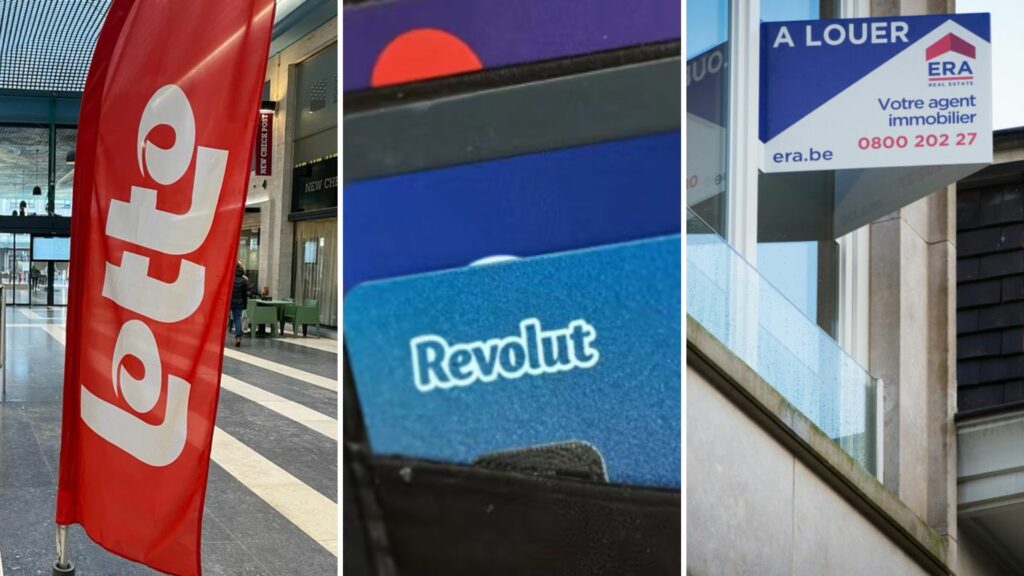
New month, new rules in Belgium. Thursday is not only Labour Day, but also marks the implementation of new measures and decisions in the country. The most important changes and how they will impact people can be found here.
Bye-bye, excessive rent
Landlords in the Brussels-Capital Region will no longer be allowed to impose "excessive" rents (more than 20% above the reference rent).
From now on, all rental contracts in Brussels must mention the reference rent, determined according to an index that the Regional Government reviews every year. This means it will be forbidden to ask for rent that is more than 20% higher than the reference rent grid.
If this does happen, the tenant can request a rent review under certain conditions. However, there are exceptions: a higher rent can be justified by certain features of the property or its surroundings that provide extra comfort. Additionally, a rental price can be considered excessive if quality defects are found, even if it is not 20% above the reference rent.
The Brussels Parliament approved the proposal for the ordinance in early April.
Winning a house
The National Lottery will offer a new formula for its iconic Lotto draw game from this month. The new formula will "offer more winnings to players, with 50,000 additional winners in each draw and a €750,000 'Dream House' every last Saturday of the month," said spokesperson Jérémie Demeyer.
"Every last Saturday of the month, in addition to the jackpot, we will offer one Lotto player a €750,000 real estate project. This prize is awarded not via the draw combination, but via the Lucky Lotto Code, a code randomly assigned to each Lotto grid played," he said.
Specifically, €750,000 will be paid to a notary chosen by the winner, to whom the winner will submit a project (purchase, renovation, mortgage, etc.). Once the project is deemed compliant, the amount can be used flexibly over a period of three years from the date of the draw. After three years, any remaining balance will be paid to the winner.
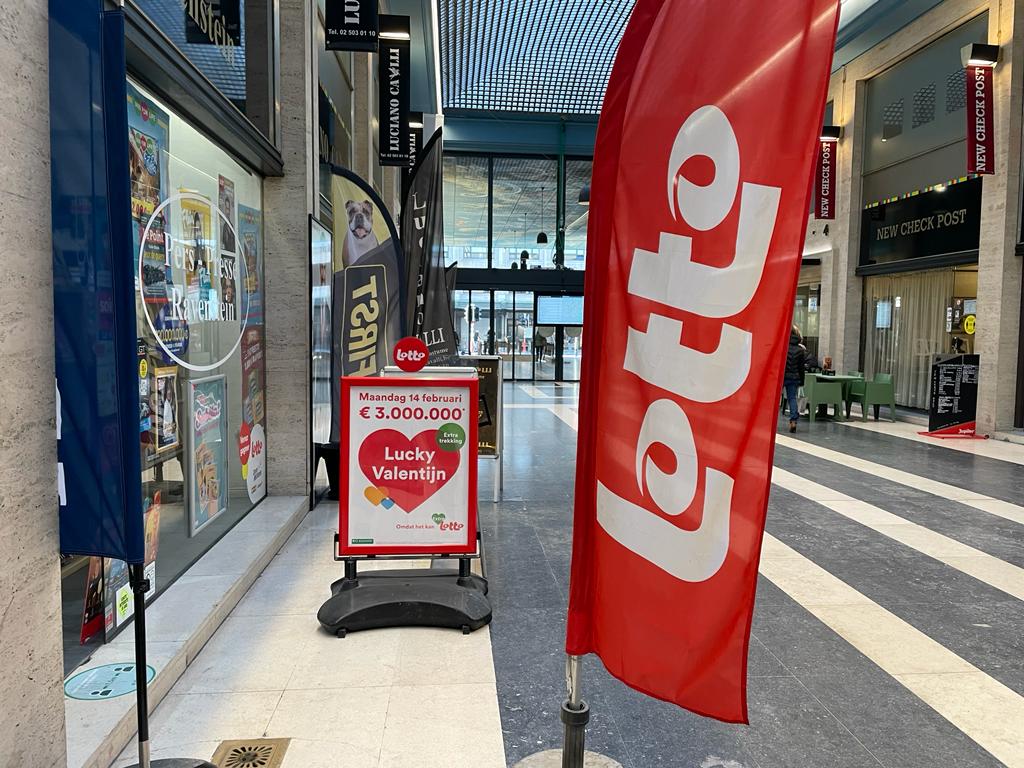
A newspaper shop in Brussels advertises Lotto products. Credit: The Brussels Times
Belgian account number for Revolut customers
New Belgian Revolut accounts will receive a Belgian IBAN code, instead of the Lithuanian account number they received before. Gradually, existing accounts will also receive that country code.
"Our customers will no longer have to report their accounts to the National Bank," said Francesco Aghemio, who heads Revolut’s Belgian and Dutch activities.
"But it goes further than just that code. Customers’ assets are also protected by Belgium and we now also fall under the supervision of the NBB for the anti-money laundering policy," he added.
Declaring solar panels
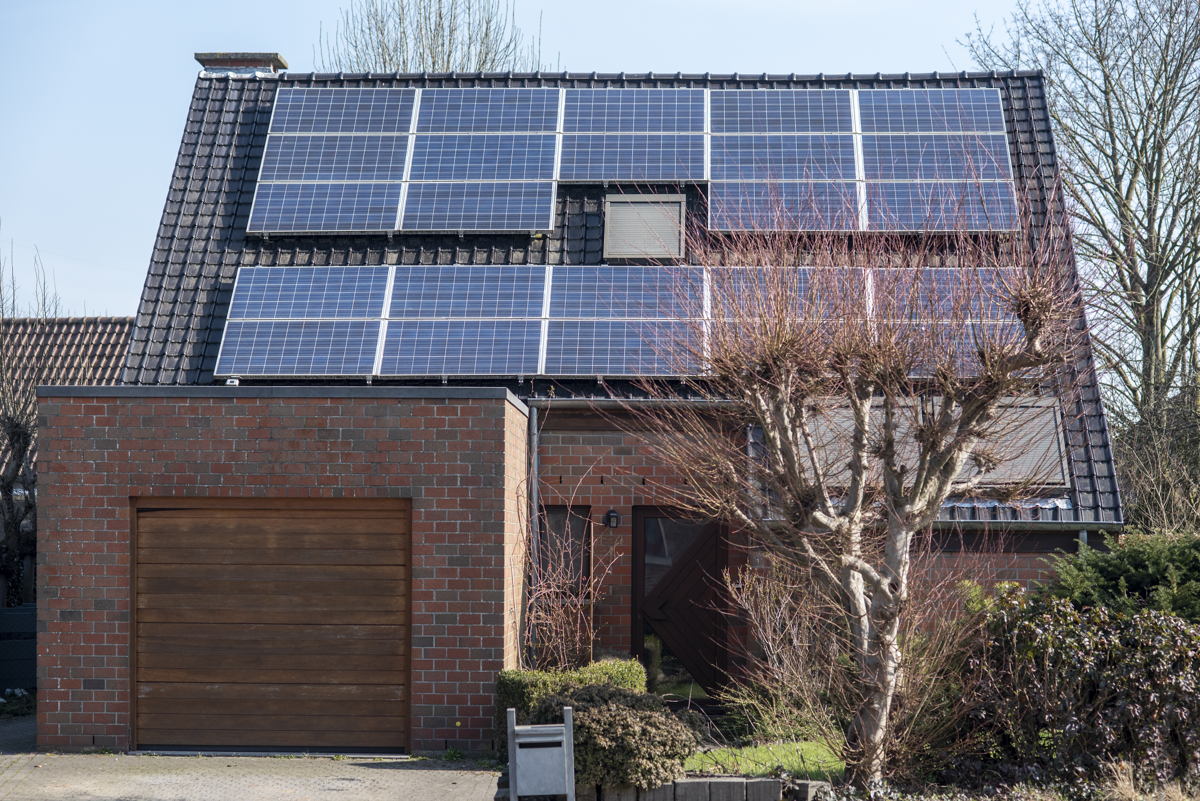
Brussels residents are legally obliged to declare solar panels, charging stations or storage batteries in their homes within a maximum of 30 days after installation. From May, those who have not done so will be fined by network operator Sibelga.
Undeclared installations may be subject to penalties, such as a non-declaration tariff. "If a prosumer uses a conventional meter and fails to regularise their consumption despite reminders, Sibelga may, in addition to these 'penalties', adjust their consumption on the basis that no electricity has been either self-consumed or injected into the network," said Sibelga.
These regulations are designed to prevent grid congestion, inverters shutting down and damage to infrastructure. The increase in the number of solar panels in Brussels represents "a real challenge for grid management," explains Sibelga, which guarantees the supply of gas and electricity to more than 500,000 households in the Brussels-Capital Region.
Credit: Fluvius
Repairability index
As the second country in Europe, Belgium is introducing the "repairability index": a score from 1 to 10 which indicates how easy an appliance is to repair. From this month, appliances such as dishwashers, hoovers, high-pressure cleaners, lawnmowers and laptops without touch screens will have to include this score.
Several criteria are taken into account: availability of technical repair information and maintenance manuals, ease of disassembly and tools needed, availability of spare parts and delivery times, ratio between the price for spare parts and the price of the new product, and other specific criteria related to the product.
To further guide consumers, the Repair&Share expertise centre will bundle more than 1,200 electro-repairers in Belgium on the platform repairshare.be, from independent electro-technicians to Repair Cafés and thrift shops.
As manufacturers currently award themselves these scores, Repair&Share stressed that it is crucial that an external control system be set up to guarantee their reliability.
Digital security
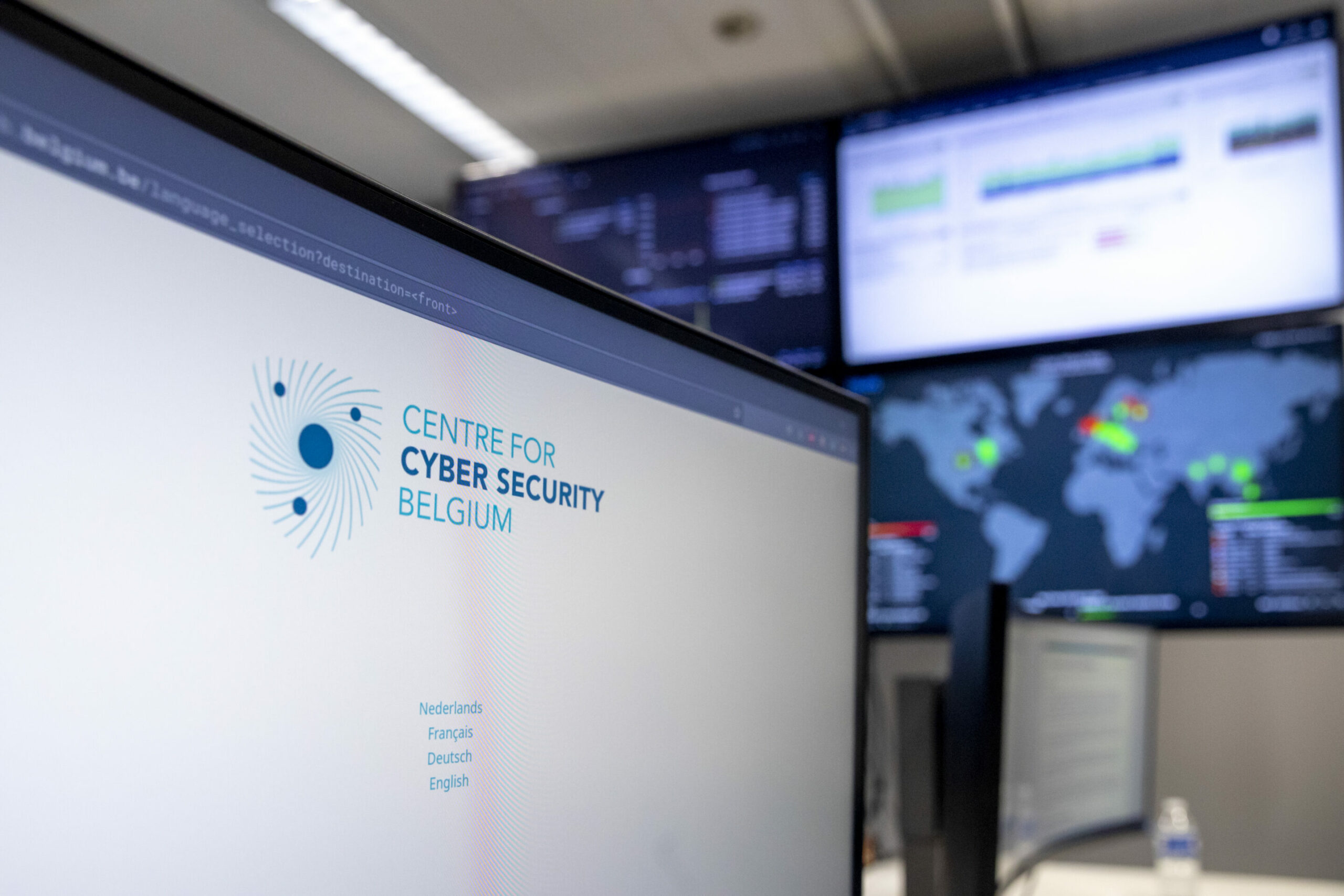
From now on, the Flemish Centre for Digital Security (VCDV) will become the hub for digital security. The centre, part of Digital Flanders, actively intervenes in incidents and coordinates expertise and services for both Flemish and local governments.
The centre was set up to support everyone within the Flemish Government who deals with digital security. It will work closely with existing bodies such as the Centre for Cybersecurity Belgium, police services, academic institutions and private cybersecurity experts.
The centre will also work on a Flemish digital security strategy and design a policy framework to effectively put this strategy into practice, said Flemish Minister-President Matthias Diependaele (N-VA) at the beginning of this year.
Credit: Belga / Hatim Kaghat
Planning permission exceptions
The Walloon Government approved the decree amending part of the Territorial Development Code (CoDT) in April. This means that from May, a series of activities will no longer require planning permission.
This will notably apply to the installation of shutters, fences, or railings not visible from public property; the opening, modification, or sealing of flat roof openings; the construction of a bicycle shelter designed with lightweight metal or wooden barriers; the installation of covered parking facilities for active mobility devices (bicycles, in particular) of up to 60m² in both public and private areas; and the installation of terraces for the hospitality industry (surface area increased from 50 to 100m²).
Also covered are the repair or development of river banks and low-lying riverbeds following a natural disaster (within five years); the installation of solar-powered electricity or heat generation modules for both buildings and existing artificial structures (rooftop or ground-mounted solar panels in certain areas); the installation of heat pumps in economic activity zones, as well as the establishment of a point of sale for a maximum of six non-renewable months to occupy empty spaces, attract new types of customers, or test new concepts.
