
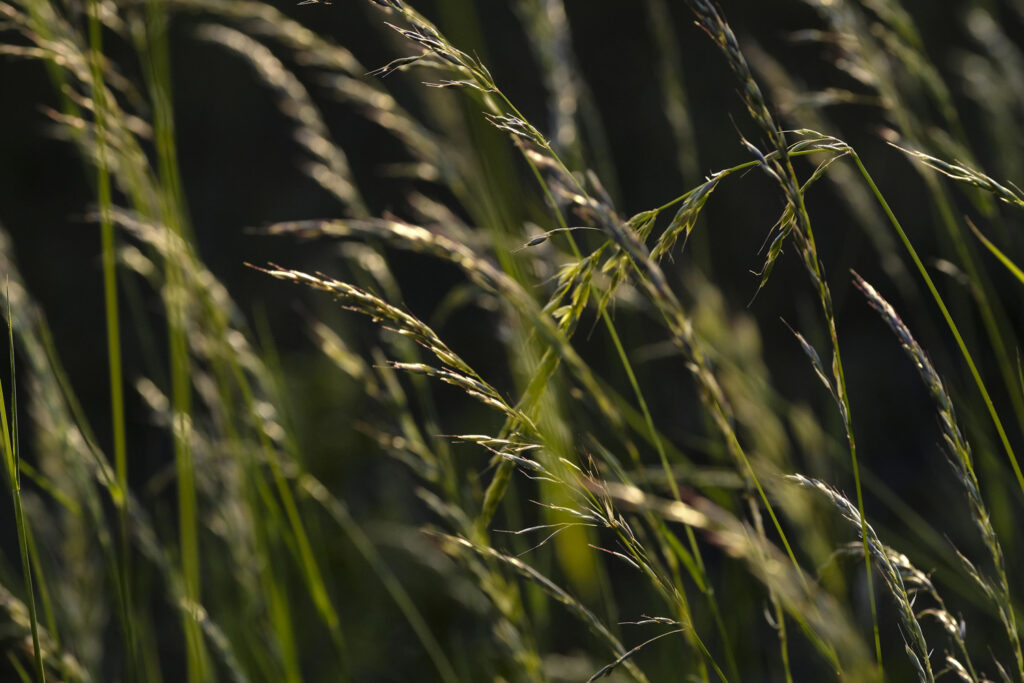
The grass pollen season, typically spanning from May to July with a peak in June, has commenced, Sciensano announced in a press release on Tuesday.
Symptoms often appear once the pollen count exceeds 50 grains per cubic metre. The Belgian network for pollen and fungal spore monitoring, AirAllergy, provides updates on these concentrations.
Pollen allergy symptoms can mimic those of other illnesses, such as Covid-19, the common cold, or the flu. Sciensano notes that while allergies can cause sneezing, eye redness, nasal and sinus congestion, or even a loss of taste and smell, they do not induce fever or muscle pain.
Allergic symptoms can start immediately upon exposure to allergens and may persist for several weeks. Sciensano advises those uncertain about their health, particularly those requiring ongoing allergy treatment or suffering from asthma, to consult their GP or allergist.
To minimise discomfort, it is recommended to wear a mask, wash hair and clothes regularly, avoid drying laundry outdoors, keep car windows closed, and refrain from outdoor physical activities, especially in dry periods.
A study conducted by KU Leuven, Sciensano, and the University of Antwerp indicates that nitrogen pollution may intensify allergic reactions in hay fever sufferers. According to this study, nitrogen-enriched meadows can produce up to six times more pollen.
