
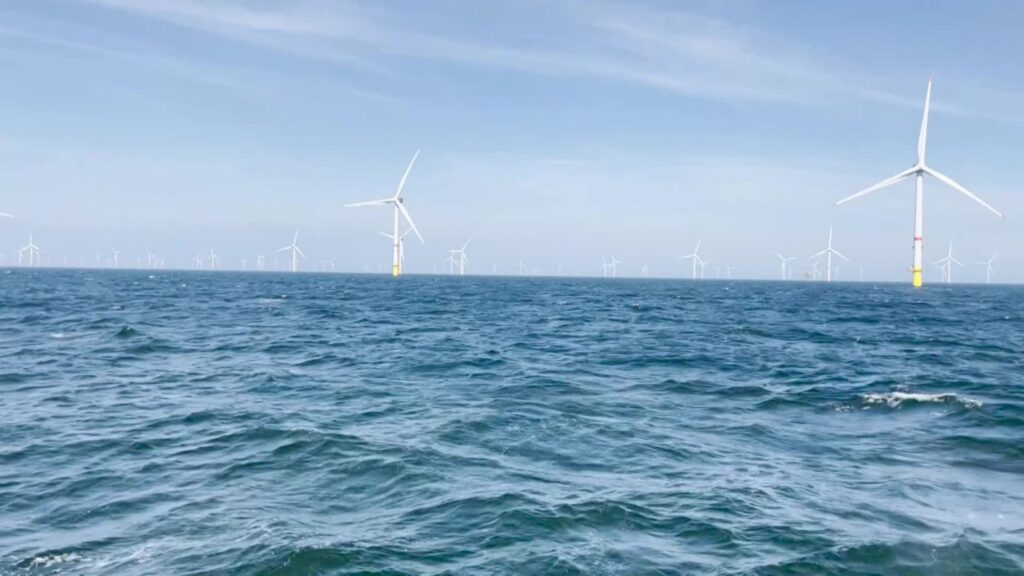
Flat oysters have been found in Belgian waters, in ports and wind farms, the Royal Belgian Institute of Natural Sciences announced on Thursday.
These discoveries — of both living specimens and empty shells — on human infrastructure and even on beaches are described as ‘extraordinary’ by scientists. Once ubiquitous in the southern North Sea, the species had virtually disappeared due to overfishing, pollution and disease.
These initial signs suggest that the flat oyster is making a tentative comeback in our country.
"The rediscovery of the flat oyster is not only of cultural and historical interest, it is above all an ecological breakthrough," emphasises Francis Kerckhof, a member of the Institute’s Marine Ecology and Management (MARECO) team.
"It is a native species that is essential to the marine ecosystem. Its reintroduction could contribute to the marine regeneration of the North Sea."
This comeback is part of a European trend. Reintroduction programmes have been set up in France, the Netherlands and the United Kingdom. Pilot projects are also underway in Belgium.
For researchers, this return is both an opportunity and a challenge. How did these oysters come back? Could ports and offshore installations be designed to encourage their presence?
For Thomas Kerkhove, also a member of MARECO, even if the number of oysters remains low, "the sea shows us that, if given the chance, it can recover. Every discovery is a small reminder of nature’s resilience."
Until the early 20th century, flat oysters were harvested in abundance from natural beds in the North Sea and refined in oyster pits on the coast. Overfishing, habitat loss, pollution and disease led to their near disappearance from our waters.
