
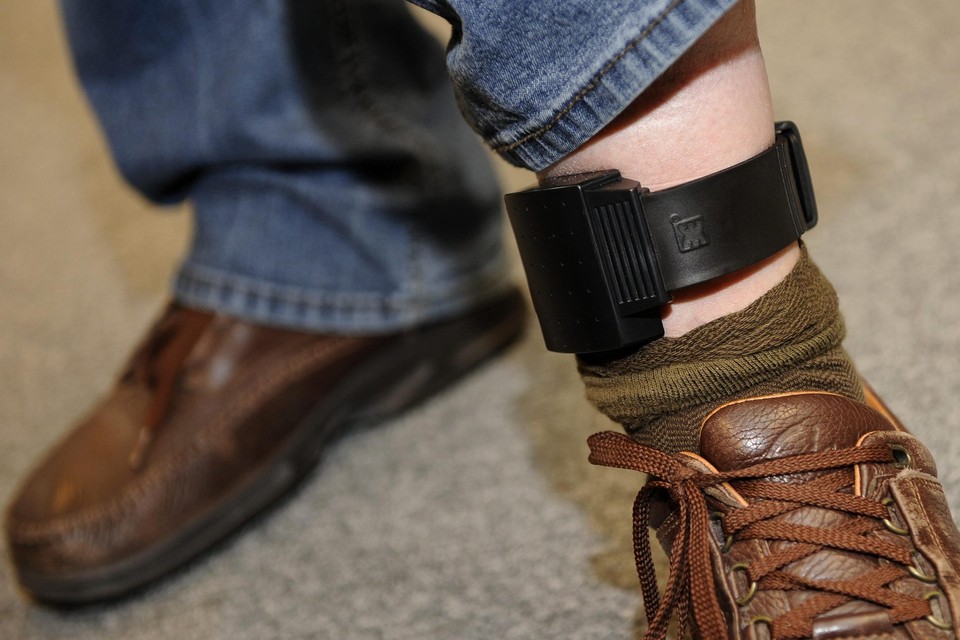
Fewer convicted individuals have been getting electronic ankle bracelets, while a pilot project offering these bracelets to young offenders is expanded.
For sentences of fewer than eight months, the number of ankle bracelets dropped from 3,208 to 1,344 in one year. Similarly, for sentences of under three years, the figures halved from 1,100 to 544 in 2024. This contradiction is explained by the political decision to actually enforce prison sentences of under three years.
"For the first time in years, we are witnessing a sharp decrease in the number of adults getting ankle bracelets," the Flemish Agency for Justice and Enforcement told De Morgen.
Since June last year, minors aged 12 and above can also be given an ankle bracelet via a pilot project, as an alternative to confinement in a community centre. Last year, 28 juveniles received one, primarily for drug trafficking (13) and assault (five). The youngest offenders are 14, with the majority being 17.
There is also an increase in the number of families seeking help from so-called Safe Houses for domestic violence. In 2024, applications surged by a notable 26% – reaching 4,373 cases.
"This requires some nuance," said Agency spokesperson Liesbeth Wyseur. "An increase in cases does not necessarily mean these issues are occurring more often. There is, for example, no evidence of an increase in domestic violence. A more logical explanation is that the number of Safe Houses increased from three to nine in 2023, and we notice that police services and local authorities are using their services more frequently. The higher number of applications does show a significant need for support."
