
While processing the death of a loved one is already a complicated time unfortunately it also involves some bureaucratic steps. The Brussels Times put together an overview of the main steps to help navigate the paperwork in the Region.
Before a death can be declared, it must be officially certified by a medical professional. If a person passes away in the hospital, the hospital staff will declare the death and create a death certificate. If a person passes away at home, a general practitioner or a doctor on call should be contacted. Once they've determined the person is dead, they can prepare and sign the death certificate.
If the deceased was an organ donor, it is important to mention this to the medical professionals as soon as possible.
Once the death has been medically certified, the death of a person must be declared to the General Registrar or the Officier de l'Etat civil of the municipality where they died. This is an important step that must be completed before permission to proceed with the person's burial or cremation is granted by the Civil Registry.
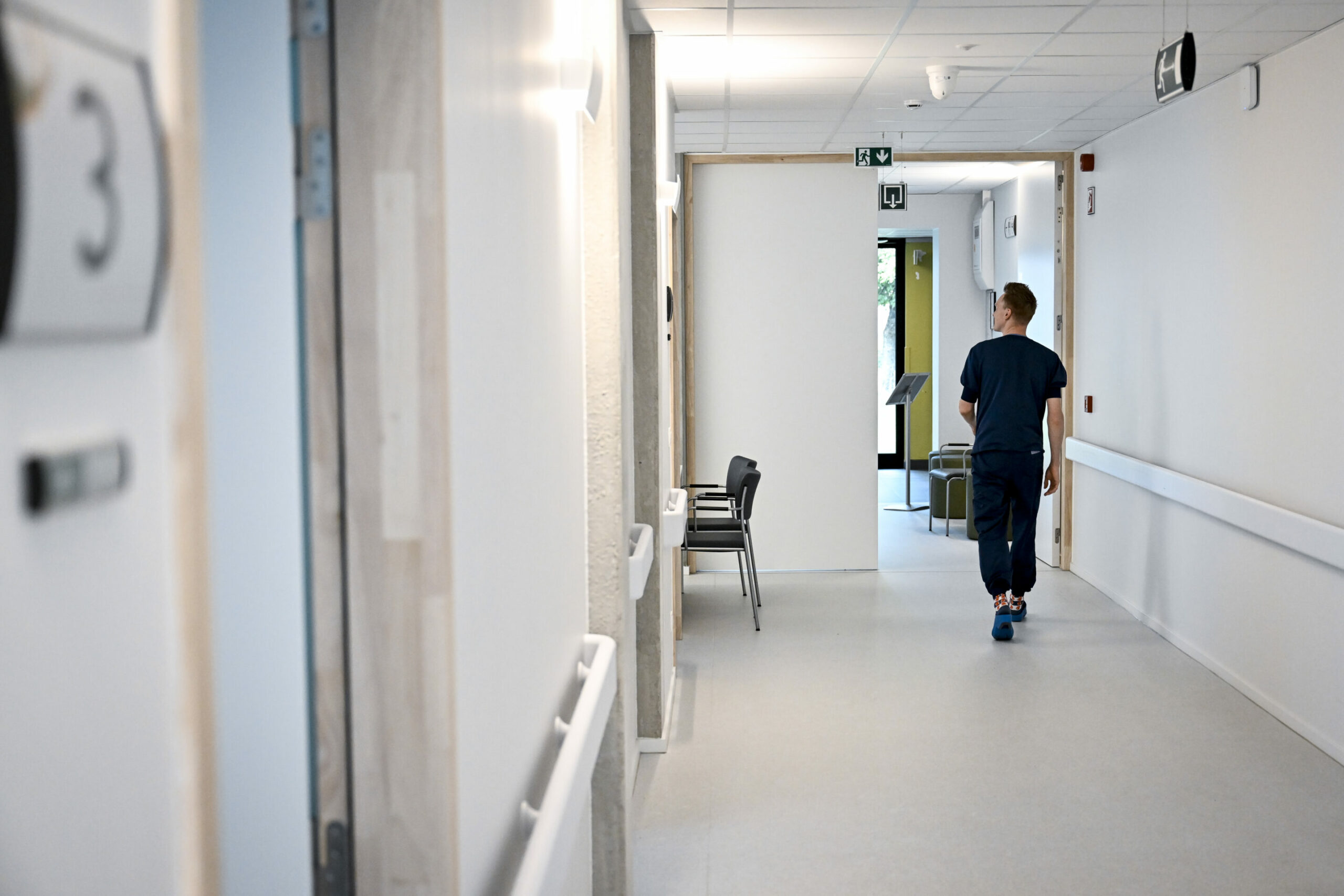
A doctor pictured in the corridor of a hospital in Belgium. Credit: Belga/Dirk Waem
The declaration at the Civil Registry Office must be made within 24 hours after the death has been certified by a doctor. The death must be declared by two adults, although they do not have to be related to the deceased. They must bring their identity cards, the identity card of the deceased, the death certificate, the driving licence of the deceased, and any other relevant documents such as a marriage certificate or the will of the deceased.
In cases where the death occurred under violent or suspicious circumstances, it is necessary to bring to the Civil Registry Office a police officer's report and proof of permission for burial or cremation by the Public Prosecutor.
If the deceased lived in a different municipality from where they died, the municipal authorities where the death is registered will forward the death certificate to the municipality where the deceased resided.
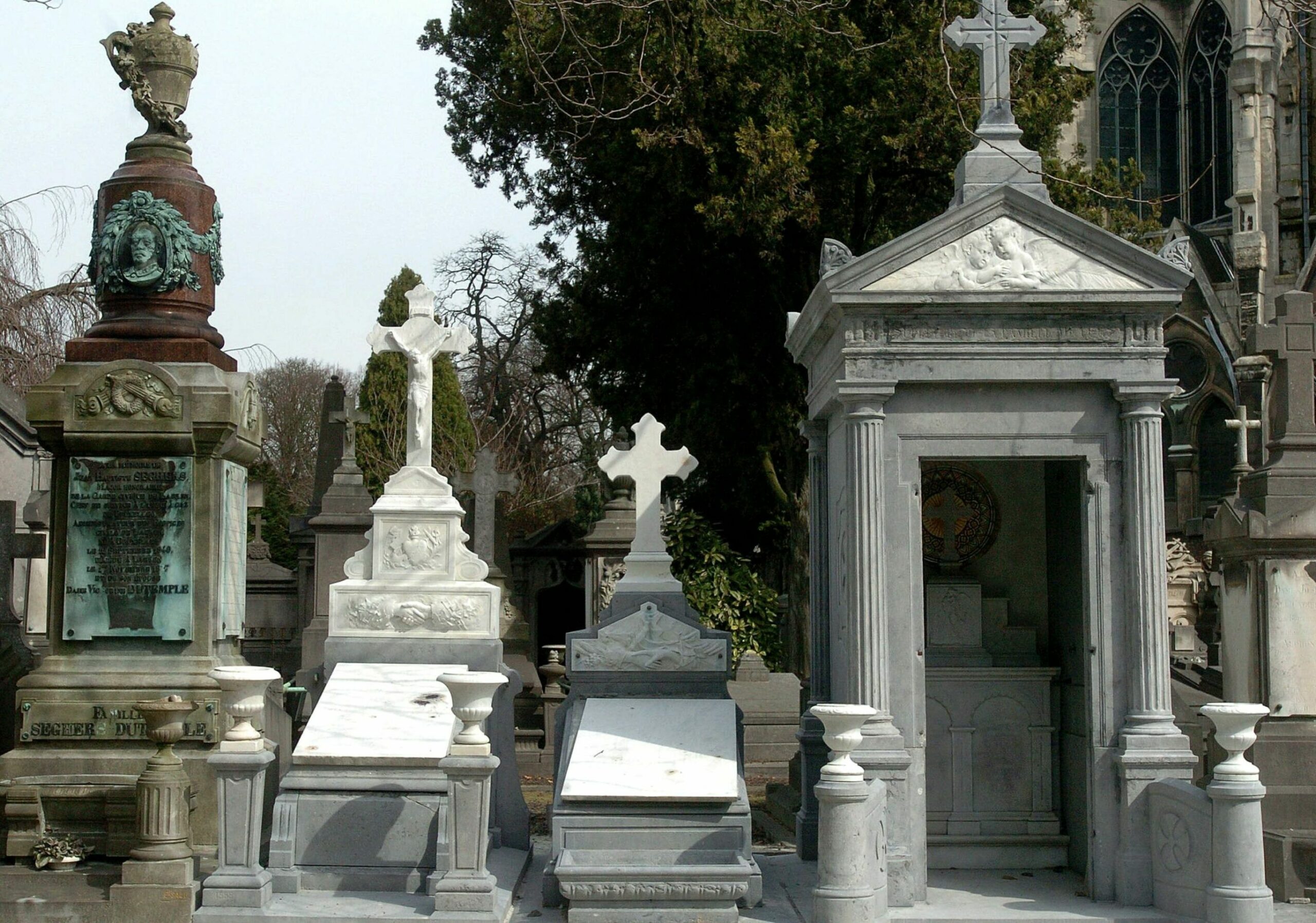
Picture shows graves in a cemetery in Brussels. Credit: Belga/Herwig Vergult/AFP
Once the death is officially declared, loved ones can set a date for the burial or cremation with the municipality.
In addition to declaring the death to the municipality, other services with which the deceased was involved should also be notified. This includes services such as banks, insurance companies, pension services, electricity suppliers, and the tax office.
As a death certificate may be needed to prove the death to certain organisations or services, it is sometimes advised to request a copy of the death certificate. This can be asked at the municipality where the death is registered.
Information on registering a death in Flanders or Wallonia can be found online in the Regional Governments' websites.
