
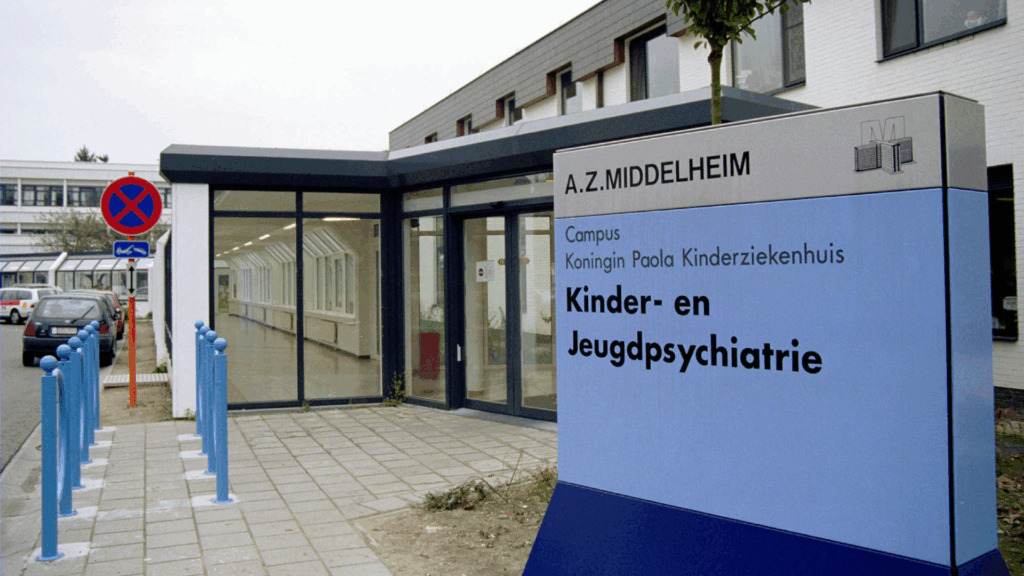
A total of 5,223 people were involuntarily admitted to psychiatric institutions in Flanders in 2024, according to the annual survey by the Flemish umbrella organisation for medical and mental healthcare, Zorgnet-Icuro. The organisation is calling for more information on the figures.
In 2024, psychiatric care in Flanders saw 14.3 involuntary admissions per day. This marks a significant increase of 6% compared to the previous year and a shift from the stable numbers below 5,000 seen in recent years, according to Zorgnet-Icuro.
Notably, the last comparable rise was during the transition from the Covid year 2020 to 2021, with a 5.3% increase from 4,735 to 4,989 admissions.
Involuntary admissions refers to individuals being admitted to psychiatric hospitals against their will, a protective measure that can be enacted by the Public Prosecutor.
However, there are no available figures on the reasons for these admissions. "The rise remains speculative for us as well," says Margot Cloet, chair of Zorgnet-Icuro. "We have observed a rise in aggression and drug use over the years. Society demands firm action, possibly prompting prosecutors to react accordingly."
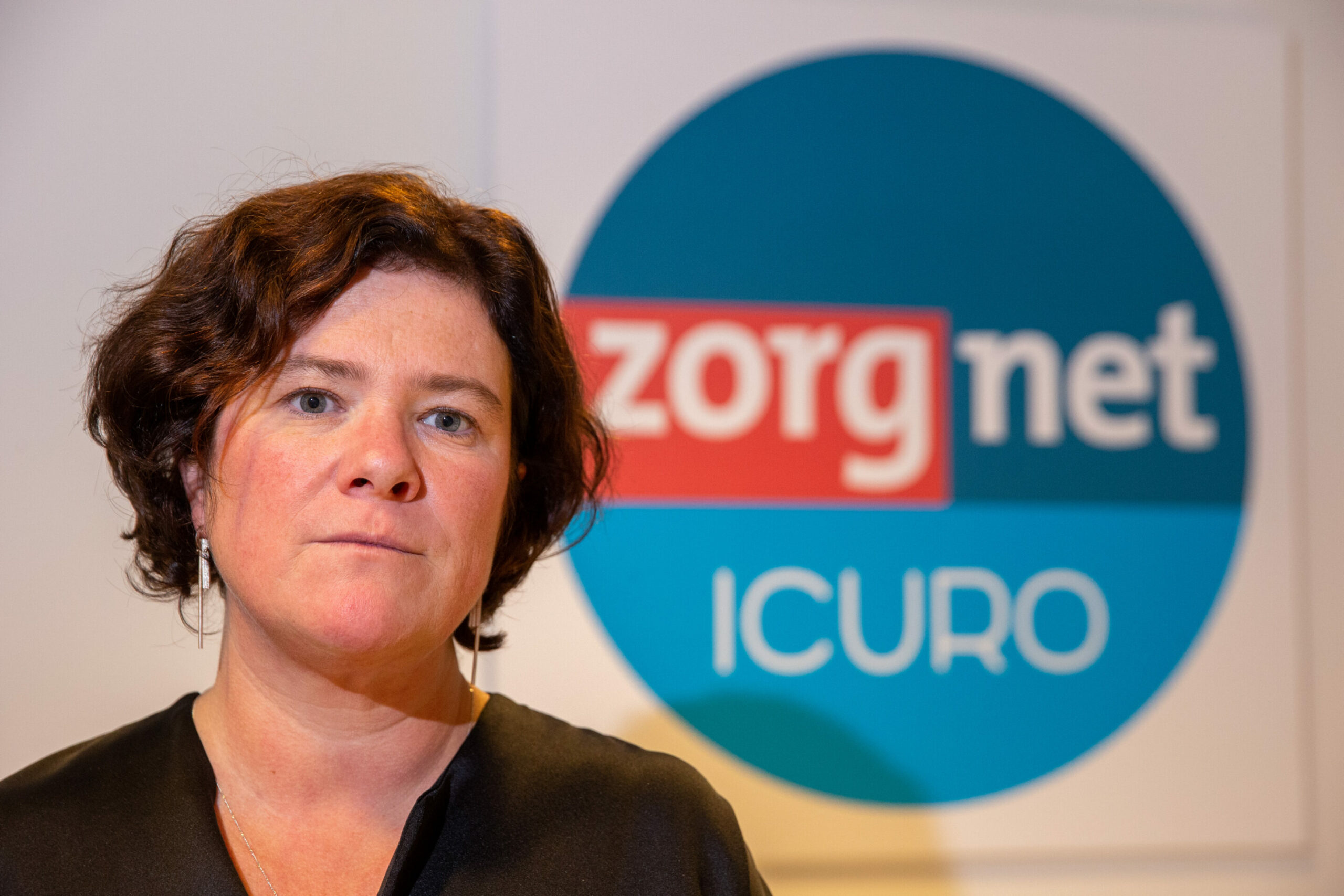
Zorgnet-Icuro chair Margot Cloet. Credit: Belga/Nicolas Marterlinck
The number of involuntary admissions for children and adolescents remains stable at 233 in 2024, compared to 229 in 2023. Zorgnet-Icuro indicates that the overall increase in admissions is almost entirely among adults, although there has been over a twofold rise in admissions for minors since 2019 (101).
In theory, a new law enacted on 1 January 2024 provides voluntary alternatives. For instance, the prosecutor can request a 48-hour observation period instead of involuntary commitment. During this period, an interdisciplinary team prepares a report, aiding the prosecutor in deciding whether to proceed with enforced admission or refer the person to regular healthcare. The law also introduces another measure: voluntary treatment under conditions agreed by the patient, subject to judicial stipulations.
However, these measures are rarely implemented. The lack of a fixed list of psychiatric hospitals conducting observations creates an additional workload for prosecutors, who often resort to temporary custody and involuntary admission.
Additionally, staffing shortages impede these observations, and some psychiatrists hesitate to choose voluntary treatment due to unclear medical liability.
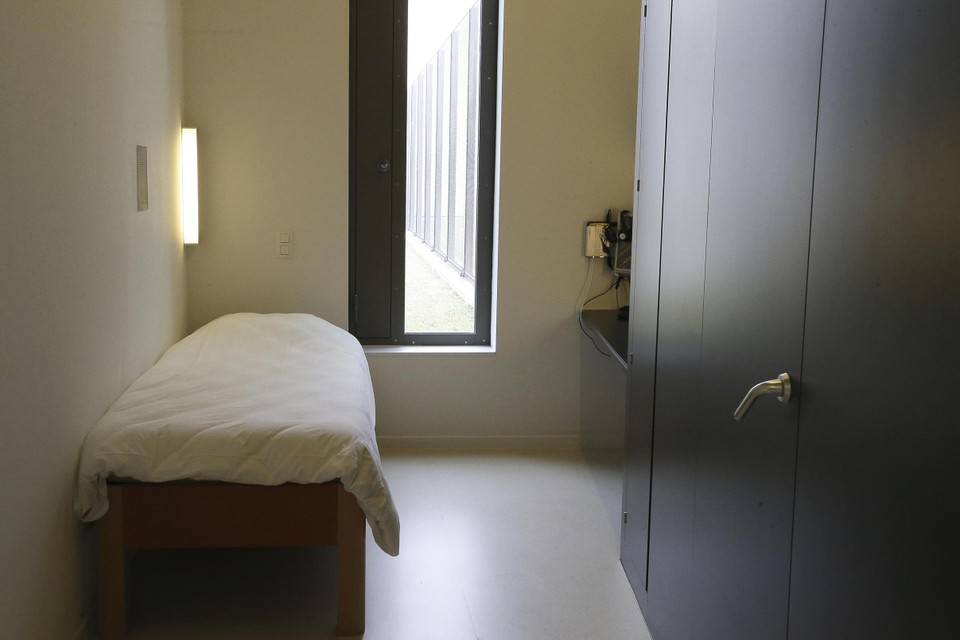
A room in a psychiatric health institution. Credit: Belga
"We are operating blindly as there is no data on observation numbers. Data is essential to assess the new law," Cloet insists. "We urge the relevant ministers to provide the necessary tools so the law does not become ineffectual, genuinely reducing involuntary admissions and enhancing care."
Health Minister Frank Vandenbroucke says that the increasing number of involuntary admissions is concerning, noting that the new legislation aims to encourage voluntary, timely assistance to prevent enforced measures, but its implementation requires time and coordination with stakeholders.
The minister also highlights the increase as underscoring the need for accessible, preventive mental health services. Consequently, he allocates €23.9 million to reinforce crisis and emergency psychiatry within the mental health networks.
"These resources are focused on developing mobile crisis teams, improving emergency support, and enhancing collaboration with general practitioners, police and justice sectors," Vandenbroucke asserts.
The rollout of these initiatives is in progress but requires acceleration and broader establishment on the ground, he concludes.
