
Belgium is known for many things: brilliant beer, friendly locals, beautiful countryside and questionable road surfaces. But one thing it is not known for, is its affordability.
Life is expensive in many parts of Belgium, and being such a small country, sometimes it is simply easier to hop across the border to buy essentials. But where do Belgians go, and for what?
Cross-border shopping is part of daily life for many Belgians, and residents. According to the latest statistics from the Belgian Food Industry Federation (Fevia), in 2023, more than one in three Belgians went across the border to a neighbouring country to do their shopping every five weeks.
This is a trend the Belgian taxman would rather live without. Belgians spent €764 million in supermarkets in neighbouring countries in 2023, an increase of 40% compared to 2022. Roughly, this translates to nearly €140 million in lost tax revenue for the Belgian state, not counting missed revenues and investment potential.
But with half of the Belgian population living just 50 kilometres away from the border, the decision to shop abroad is simply too enticing for most.
France– Groceries, booze and household goods
The number one destination for Belgians, as a result of its lower prices, strong infrastructure and linguistic familiarity, is France. According to the latest data, over two-thirds (64%) of cross-border purchases by Belgians in neighbouring countries last year took place in France. 46% more Belgians decided to take their shop to France last year and there seems to be no end in sight to this trend.
Not only is this a convenient choice, it is the cheapest. A study by Gondola Academy and Daltix in 2023 found that, on average, groceries and dry goods were up to 44% less expensive in France.
The study of 2,605 identical products between Belgium and its neighbours found that French prices outperformed in almost all categories, including body care (22.76% less), non-food items (26.42% less), household goods (27.06% less) and more.
The reason for the large price gaps between Belgian and French products is down to key factors: inflation, policy and taxes. Unlike in Belgium, France takes a much greater interventionist policy to ensure relatively low food prices.
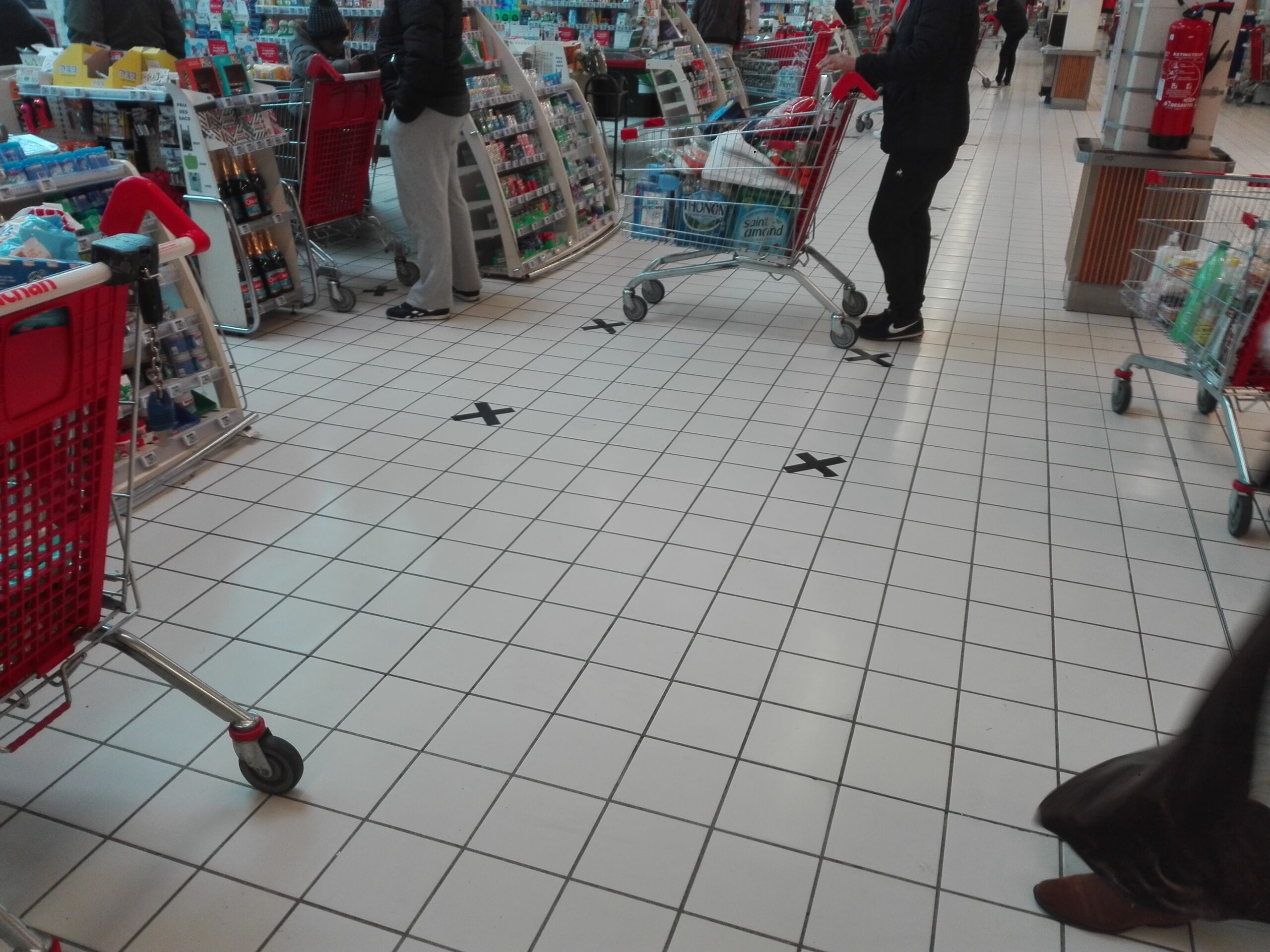
An Auchan supermarket in Roncq, north of France, during a busy shopping day. Belgian frequently visit French supermarkets close to the border for cheap shopping. Belga/ Frederic Delmeire
Food prices in France are subject to a set of agreements whereby all agreements on food prices must be set in a three-month window and cannot be changed beyond that point. Prices become effectively locked beyond this point. French law also prevents speculatory pricing, especially within the context of agricultural prices.
Belgium on the other hand experiences frequent price increases and the state taxes groceries at a much higher rate across the board. The standard VAT rate in Belgium is 21%, which applies to most goods and services. While there are reduced rates of 12% and 6% for certain categories, many food items still fall under the standard rate. Inflation also plays a big role. According to Eurostat statistics, as of 30 April 2025, food inflation stands at 5.1% in Belgium, against 1.5% in France.
But what are Belgians eagerly snapping up in French supermarkets, especially giant ‘hypermarkets’ run by E. Leclerc and other price leaders?
According to Fevia data, a key seller is beverages, both alcoholic and non-alcoholic. “They’re clearly a loss leader,” Carole Dembour, senior economic affairs advisor at Fevia, noted in a press release. “But shopping carts are also filling up with a host of other products, particularly in the chilled food section.”
In French supermarkets, Belgians are notably snapping up fizzy drinks, wine, bottled water, deodorants and other personal care products, detergent, cooking oil, and frozen meat, among others.
Luxembourg– Smoke and fumes
If Belgium ever had a reputation for being expensive, Luxembourg is largely worse, known to be one of the priciest places to live in Europe. Despite this, Belgian travellers, predominantly from the French- and German-speaking parts of the country, know all too well the alluring draw from across the border into the Grand Dutchy of Luxembourg.
According to the latest figures, Belgian consumers spend annually €110 million with our diminutive neighbours. While there are many Belgians who chose to shop in Luxembourgish supermarkets, the most notable trade is in two main products: tobacco and fuel.
In 2023, Luxembourg sold 4.44 billion cigarettes and 6,158 tonnes of tobacco, netting €1.9 billion in turnover for the country, according to a report by the country’s Ministry of Finances. This is largely due to the presence of around 200,000 people who cross Luxembourg’s borders each day for travel or for work, boosting internal numbers.
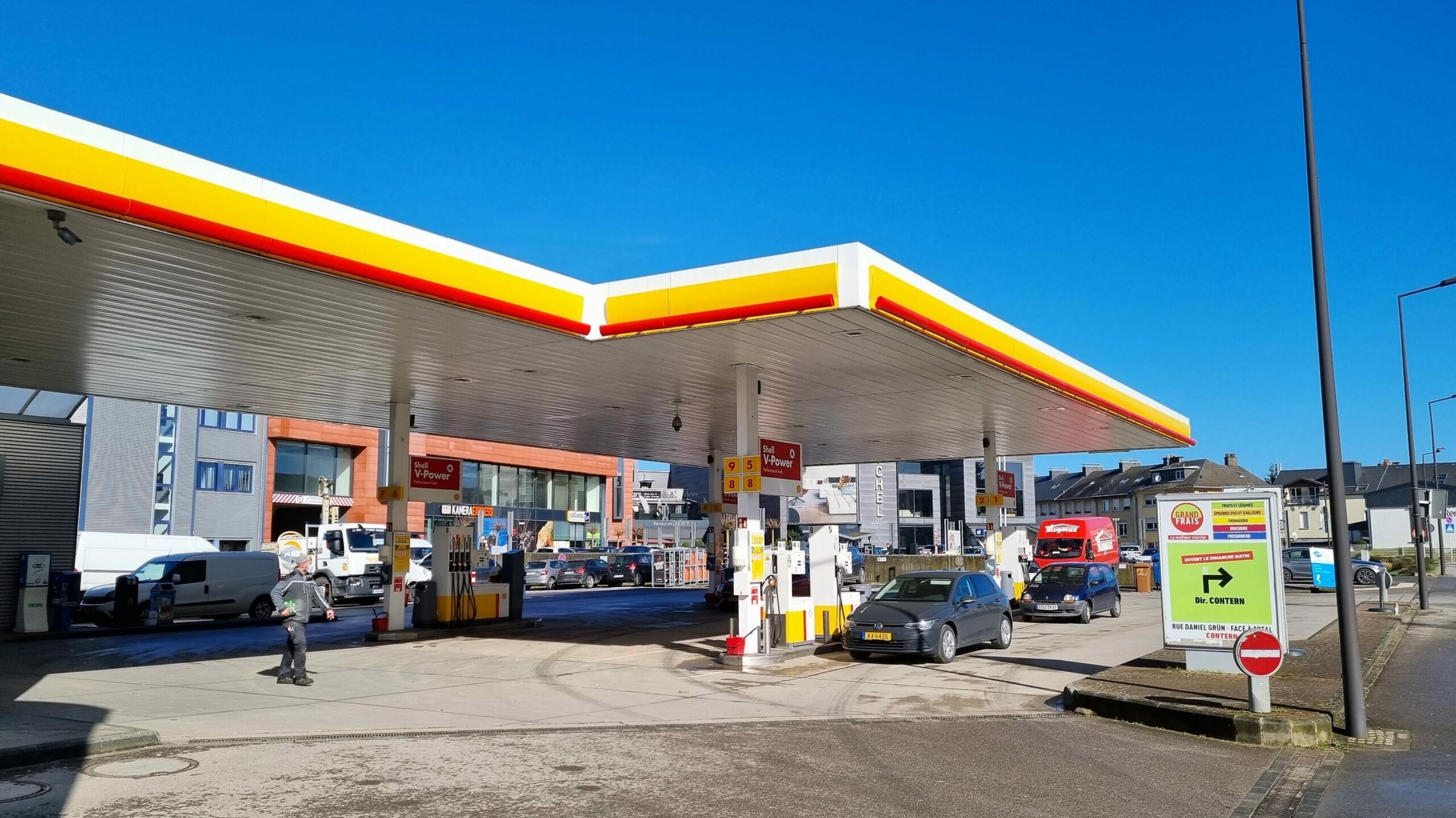
A petrol station near Hesperange, in the Grand Duchy of Luxembourg. Each year, hundreds of thousands of Belgian motorists choose to fuel up in Luxembourg. Credit: GilPe/Wikimedia Commons
Luxembourg is known as a hotspot in Northern Europe for cigarette purchases. While a packet of cigarettes in Belgium now costs upwards of €10.50 in Belgium, in Luxembourg the price is roughly half, with a pack of cigarettes costing around €5.60. For Belgian smokers, who make up around a fifth of the population, this creates incentive to make a regular commute over the border.
The lower price of Luxembourgish cigarettes is due to lower rates of excise duties. So too for petrol, which is another major draw for Belgians. VAT on fuel in Luxembourg is 15% in Luxembourg against 21% in Belgium and excise duties are typically much lower.
As of 27 May, the price of E95/E10 petrol was €1.458 per litre in Luxembourg, as defined by the government’s maximum pricing system. In Belgium, motorists pay €1.55 per litre at the pump. Similarly, diesel is almost 30 cents more expensive in Belgium.
This booming trade of fuel tourism is good for consumers, less so for the environment. According to data from Eurostat, Luxembourg had the highest greenhouse gas emissions per capita in 2019. Luxembourg’s National Energy and Climate Plan partly blames this on the extremely high quantities of fuel tourists, who account for nearly 70% of emissions related to the sale of fuel.
Germany– Technology and cleaning products
While other nearby countries may be a destination for daily shopping, Germany, known for its array of high-quality domestically produced appliances and other technology, is still a major draw for Belgian consumers.
German retail outlets often stock appliances and other electronics and more competitive prices compared to in Belgium. Germany is also a major destination for online shopping. Online stores such as Zalando are already well established in Belgium, and goods regularly travel to consumers from German sorting centres.
In 2023, Germany overtook the UK as Europe’s leading cross-border market. In 2022, Germany sent 30.3% of Belgium’s imported goods, ranking as its largest cross border destination for e-commerce. Likewise, in the same year, Belgium was the third largest supplier of goods to Germany.
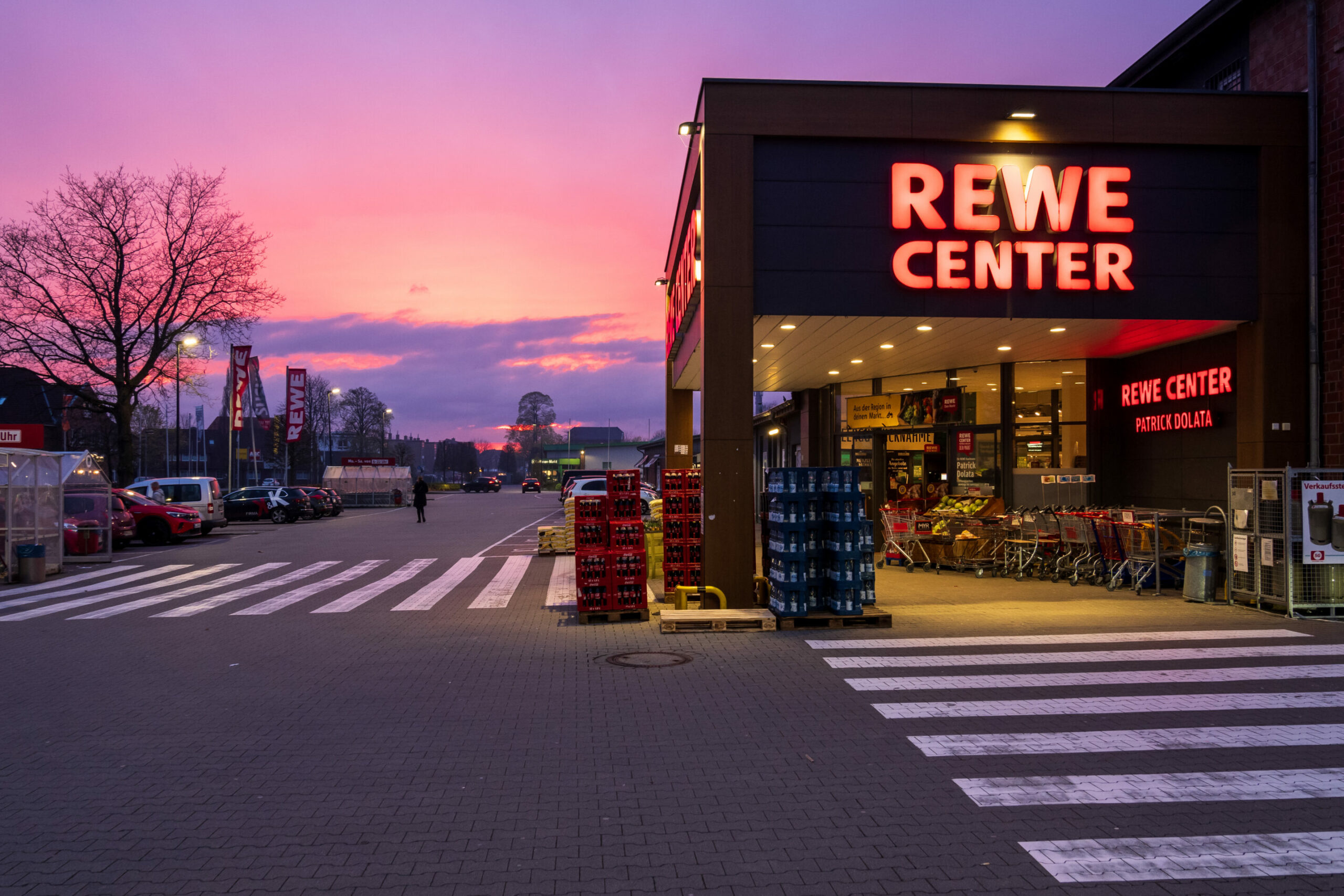
A REWE supermarket in Bad Zwischenahn, Germany. German supermarkets are known to sell detergent and appliances at a lower rate. Credit: JoachimKohler-HB/Wikimedia Commons
While fewer Belgian consumers live nearer the German border, it is still another major destination for supermarket shopping. The 2023 Gondola survey found that all products in German supermarkets, much like in France, were cheaper than in Belgium, except for non-food items, conserves and wine. Supermarkets such as German low-cost retailer REWE are among the favourites of Belgian consumers.
Cleaning supplies are a major draw for Belgian shoppers. According to a 2023 report by the Belgian Price Observatory, cleaning and household products are, on average, 14.7% more expensive in Belgium compared to Germany. Online, some consumers reported paying €27 for a pack of dishwasher tablets at Colruyt in Belgium, whereas the same product was available for €9 in Germany.
Netherlands– Quality offering, some attractive goods
Around one in five of the respondents in Fevia’s survey reported travelling to the Netherlands to do their shopping. While supermarket prices in the Netherlands are not as dramatically different, Belgian consumers typically view Dutch supermarkets as a location to buy higher quality or luxury items.
The shopping destination is becoming increasingly popular too. Compared to 2022, 15% more shoppers reported travelling to our Dutch neighbours for their shopping. It is worth noting however that Belgian travellers to the Netherlands have some of the lowest average receipt amounts at just €33, suggesting that prices are still relatively high and consumers make more targeted purchases.
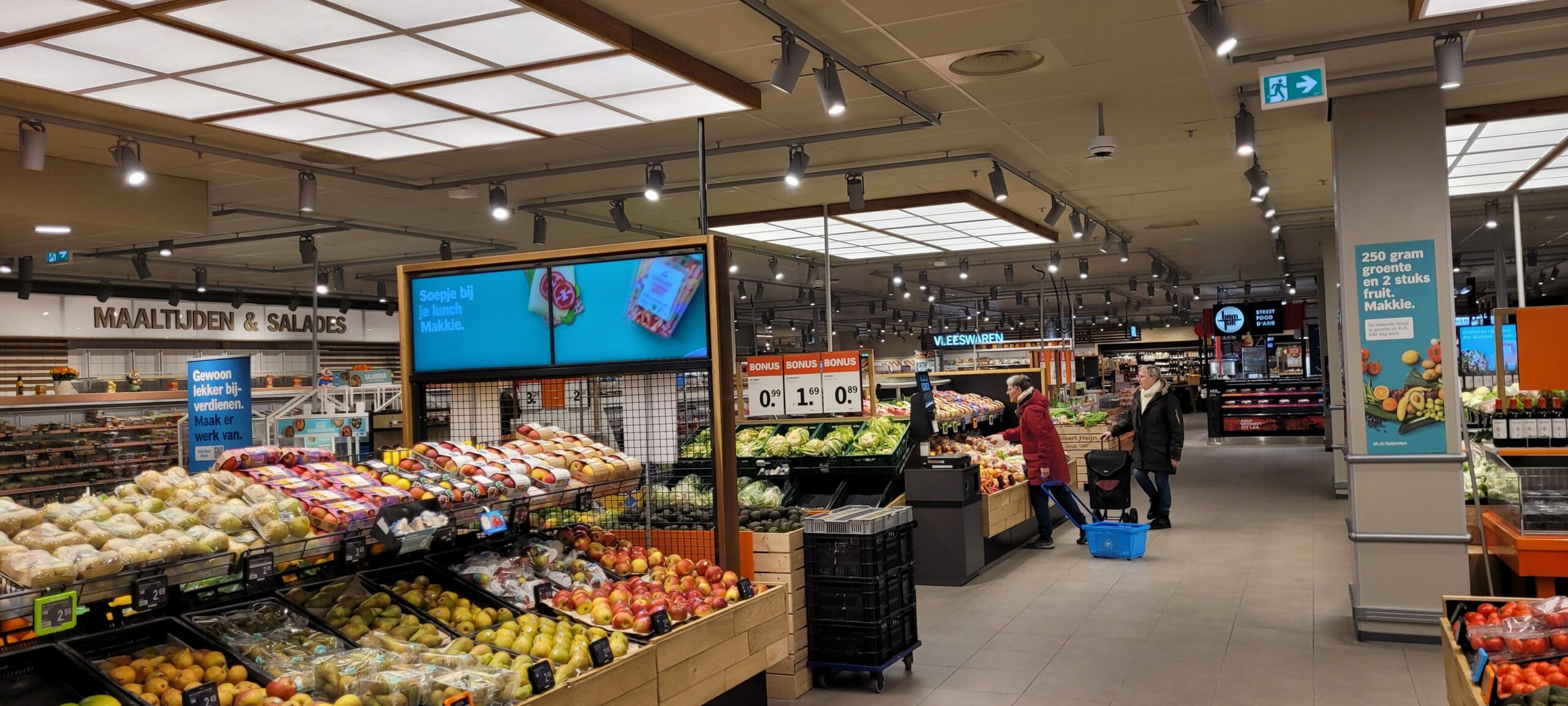
An Ablert Heijn megastrore in Rotterdam. Many Belgian consumers prefer the Dutch style of supermarket shopping. Credit: Kniesoor/Wikimedia Commons
A 2023 study published by industry magazine RetailDetail states that Dutch supermarkets are approximately 4.5% cheaper than Belgian ones. Higher rates of inflation across the border in the Netherlands however (4.1% in April 2025, compared to 3.1% in Belgium) may cut down on the competitiveness of purchases in Dutch stores.
Related News
- Lidl launches €122 million project in Herentals
- Carrefour proposes opening on Sundays 'without extra pay' for staff
- Food inflation passes 4% mark, with meat and chocolate up sharply
A recent survey by British research agency Yougov, which surveyed 6,000 Belgian households, showed that Dutch supermarkets have significantly increased their attractiveness to Belgian consumers in recent years.
According to its results, the strong emphasis on buy-one-get-one-free offers. More than a quarter of all groceries purchased domestically by the Dutch are reduced in some way, something that attracts Belgian customers. This year, Dutch supermarket giant Albert Heijn ranked the most popular supermarket in Belgium, speaking to the attractiveness of the Dutch way of shopping.
Specific products, such as cleaning products, luxury or regional products, dairy and cheese, and other processed food items remain a draw for Belgian cross-border shoppers.
