
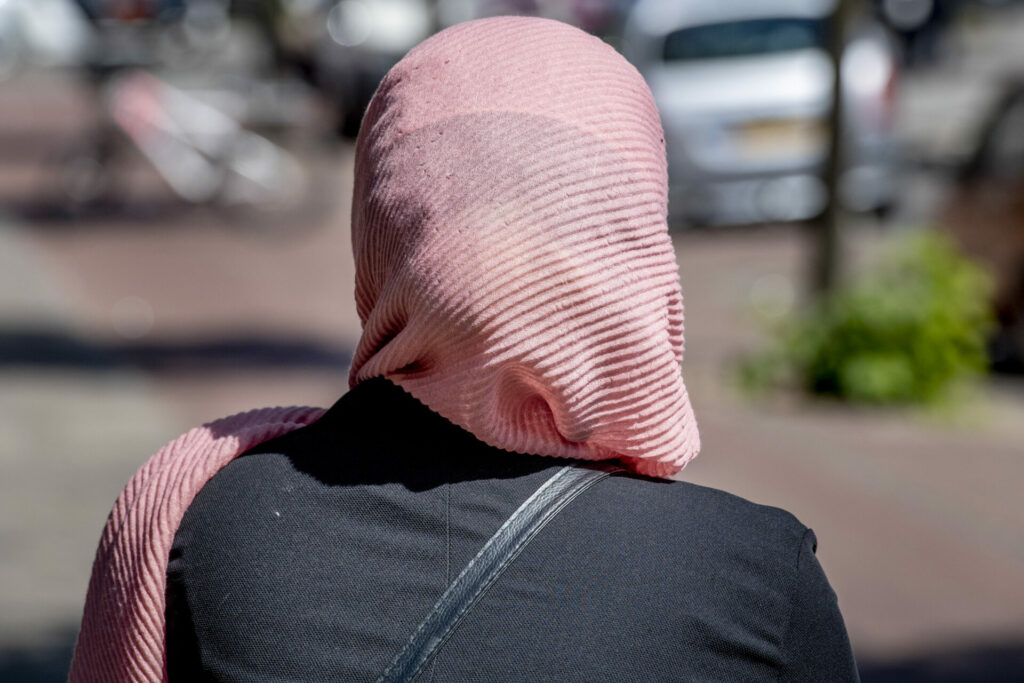
On Friday, a citizens' collective of 130 citizens lodged a complaint with Flemish Minister of Internal Affairs and Community Hilde Crevits (CD&V) against the decision of the East Flemish Provincial Council to ban headscarves in schools in the province of East Flanders.
On 30 April 2025, the East Flemish Provincial Council introduced a general ban on the wearing of religious and philosophical symbols by pupils in all provincial secondary schools from 1 September – amounting to a ban on headscarves in East Flemish schools.
"This leads to double discrimination on the basis of religion and gender," said the citizens' collective.
In a press release on Sunday evening, they explained that the complainants are calling on Minister Crevits "to annul this decision within the framework of her powers as supervisory authority as laid down in the Provincial Decree" and "argue that the decision is unlawful in both substance and procedure."
It would be a "flagrant violation of the Participation Decree," they said. "The school council, which plays a key role in democratic decision-making within schools, was not given a fair chance to fulfil its role."
Violations of fundamental rights
Representatives of parents, staff and pupils were reduced to silent spectators, which is precisely what the Participation Decree sought to avoid, according to Nadia El Omari, spokesperson for the citizens' collective. The petitioners also point to "several violations of fundamental rights, including freedom of religion" and "the prohibition of discrimination under the Equal Opportunities Decree."
"Instead of acting with respect for fundamental rights, the province has opted for a discriminatory ban, without justification and without regard for the impact on young people," El Omari said. "This is despite the fact that provincial schools have been pursuing an inclusive and pluralistic policy on religious symbols for many years. This ban puts an abrupt and discriminatory end to that, which we will not simply allow."
The petitioners remind Crevits of her authority as Minister of Community. "She could have intervened against the provincial decision herself, but failed to do so."
