
There is at least one group for whom the arrival of rain in Belgium will be a celebration - the tiger mosquito.
Belgium has recently entered mosquito season and the health institute Sciensano and the Antwerp Institute of Tropical Medicine (ITM) are calling on Belgians to be vigilant. Citizen action is being encouraged to resist the invasion of Aedes albopictus, or the tiger mosquito, which continues to spread each year.
With the arrival of rainfall, and the pooling water it brings, the conditions for further breeding have increased. Experts are calling on the public to remove breeding sites and to report any sightings of tiger mosquitoes using the citizen science platform mosquitosurveillance.be or with a picture via the App available on Android and iOS.
"After rainfall, it’s important to promptly empty any standing water. Tiger mosquitoes lay their eggs just above the waterline, so even small puddles become breeding grounds," says Veerle Bertels, junior researcher at the Entomology Unit of the Institute of Tropical Medicine
"Citizens can easily do their part by pouring away stagnant water, regularly refreshing pet drinkers and flower pots, and properly covering water storage containers. Rain is often the trigger, but it’s crucial to remain vigilant throughout the year. The message is simple: empty, refresh, cover."
The mosquito surveillance reporting platform is part of the Monitoring of Exotic Mosquitoes in Belgium (MEMO+) project. The latest annual report from MEMO+ found that over the three years of monitoring, tiger mosquitoes have been reported in at least 36 locations across 35 municipalities through the reporting platform. New locations are detected each year and the invasive species is starting to establish itself in Belgium.
"Given the growing number of reports from citizens about tiger mosquito sightings, it's likely that this species may already be present in more places of Belgium than previously confirmed. We encourage the public to stay attentive." warned Javiera Rebolledo Romero a researcher from Sciensano.
The fast-spreading breed reached Europe through the import of used car tyres and bamboo, and spread through transport routes from regions where it was already established. For example, ITM received multiple reports of tiger mosquitoes along the A12 between Antwerp and Brussels.
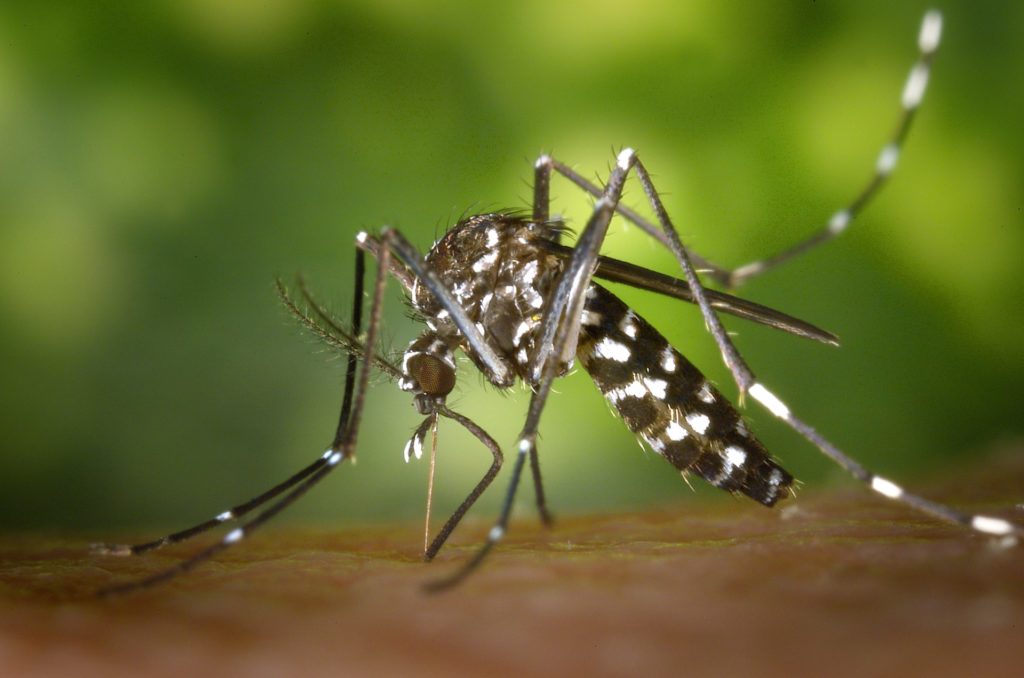
The tiger mosquito is black with white stripes. It has a white stripe on its back, five white stripes on its legs and white at the tips of its hind legs and can transmit viruses like dengue, chikungunya and Zika viruses.
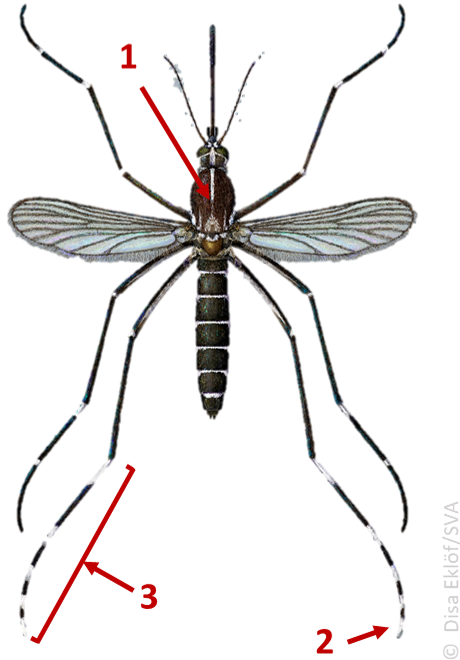
Tiger mosquito. Credit: Sciensano
