
The German government on Wednesday unveiled a series of tax-relief measures for businesses, aimed at boosting investment and reviving an economy that has been in a slump after two consecutive years of recession.
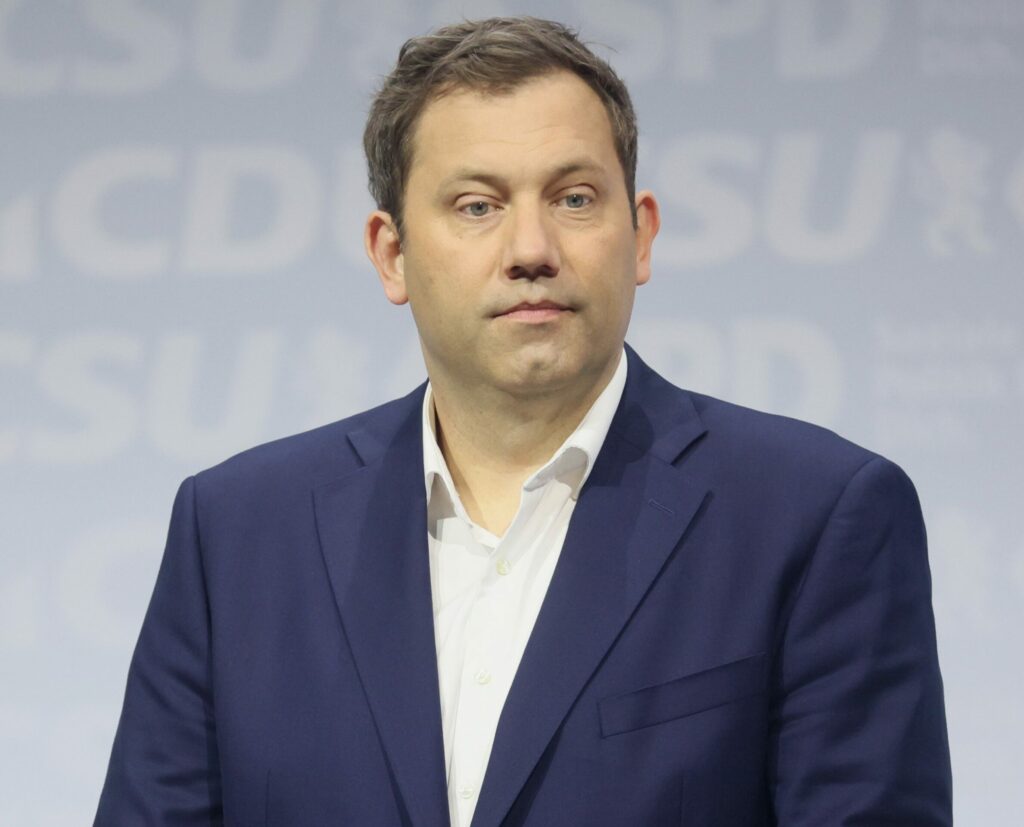
This is the first bill presented by Finance Minister Lars Klingbeil, who aims to have it passed by the Bundestag by the end of the month. Klingbeil said he intended to send a “clear signal in favour of our country’s economic strength and competitiveness.”
Between 2025 and 2029, the proposed “investment booster” will translate into a tax reduction totalling €45.8 billion for businesses.
Its impact will be relatively limited this year, increasing to €8.1 billion in exemptions next year and €11.3 billion by 2029.
The bill includes an annual depreciation of 30% on equipment investments from 2025 to 2027. Starting in 2028, this will transition to a gradual reduction of the fixed corporate tax rate from 15% to 10%.
To support the electric vehicle market after a challenging 2024, the purchase of company electric vehicles will enjoy at least a 75% tax exemption from 2025 to 2027.
The price cap for eligible electric vehicles will also rise: from €70,000 to €100,000.
“This measure will subsequently strengthen the market for second-hand electric cars,” the German automotive industry federation, VDA, commented.
The proposal also includes more generous allowances for research investments.
Coupled with massive public spending planned on infrastructure and defence, the bill aims to revive private investment, which has struggled in recent years amid an industrial sector crisis.
Business federations have welcomed the initiative as a significant first step to support economic activity. However, several experts warned that these measures alone are insufficient, given Germany’s need for structural reforms to lower energy costs, reduce bureaucracy, and alleviate workforce shortages.
Local authorities expressed concern about revenue losses potentially totalling nearly €28 billion between 2025 and 2029.
“Investment billions could go up in smoke if regions and municipalities lose basic budget revenues,” Anke Rehlinger, president of the Bundesrat, which represents Germany’s regions, warned in an interview.
