
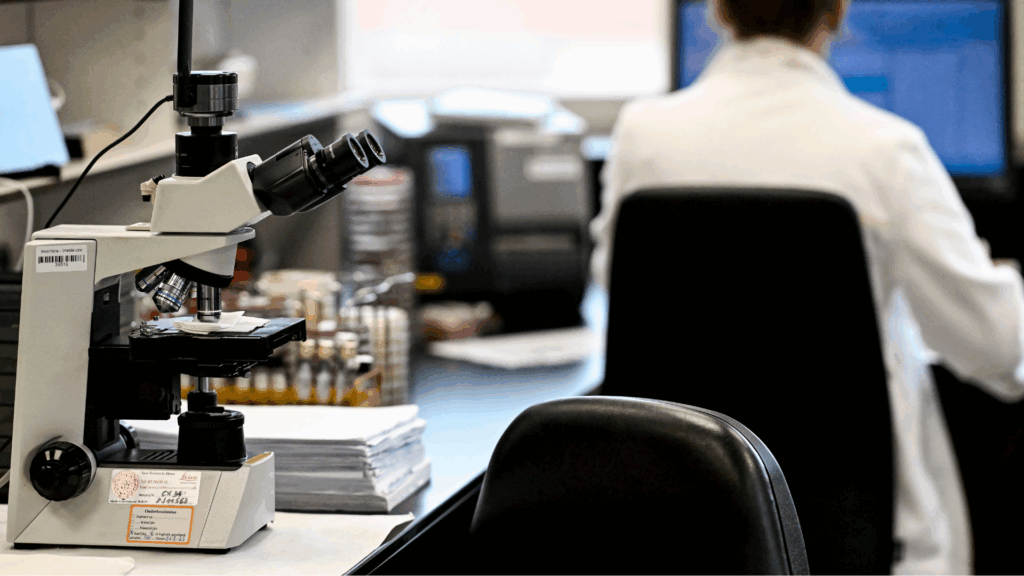
A researcher in Brussels is among the five nominees for this year's Eos Pipet a science award for young researchers in Flanders.
Arne Janssens, a Bioengineer at Brussels' University VUB, was shortlisted for the prize following a breakthrough in his research with the potential to address antibiotic-resistant bacteria.
For several years the World Health Organisation (WHO) has rung the alarm over antibiotic-resistant microbes including bacteria, calling it one of the top global public health threats. Last year, it estimated that within the WHO European Region, this antibiotic resistance was directly responsible for around 133000 deaths yearly, and indirectly linked to 541000 deaths.
Among the main causes for the development of antibiotic-resistant microbes is the misuse or overuse of antibiotics. In 2024, Belgium was deemed one of Europe's largest users of antibiotics, according to experts at the Independent Health Insurance Funds.

Image of pills. The overuse of antibiotics contributes to the development of antibiotic resistant microbes. Credit: Belga/Siska Gremmelprez
Janssens' research, conducted with fellow scientist Van-Son Nguyen, studied the structural biology of antibiotic-resistant bacteria. It looked into the vulnerability in the outer membrane of the most dangerous types of Gram-negative bacteria. Examples of these bacteria include salmonella and E.coli.
The doctoral research revealed that a protein called SlyB can act as a "life buoy" for the bacterial membrane, preventing it from disintegrating when attacked by the immune system. The protein shows potential to be used in the development of new vaccines against antibiotic-resistant bacteria.
Janssen's scientific contribution landed him among the list of researchers shortlisted for the annual award, Eos Pipet. The award is given by the popular scientific magazine 'Eos Wetenschap' to promising researchers in Flanders. In addition to the jury prize, the general public can vote on their favourite researcher for the audience award.
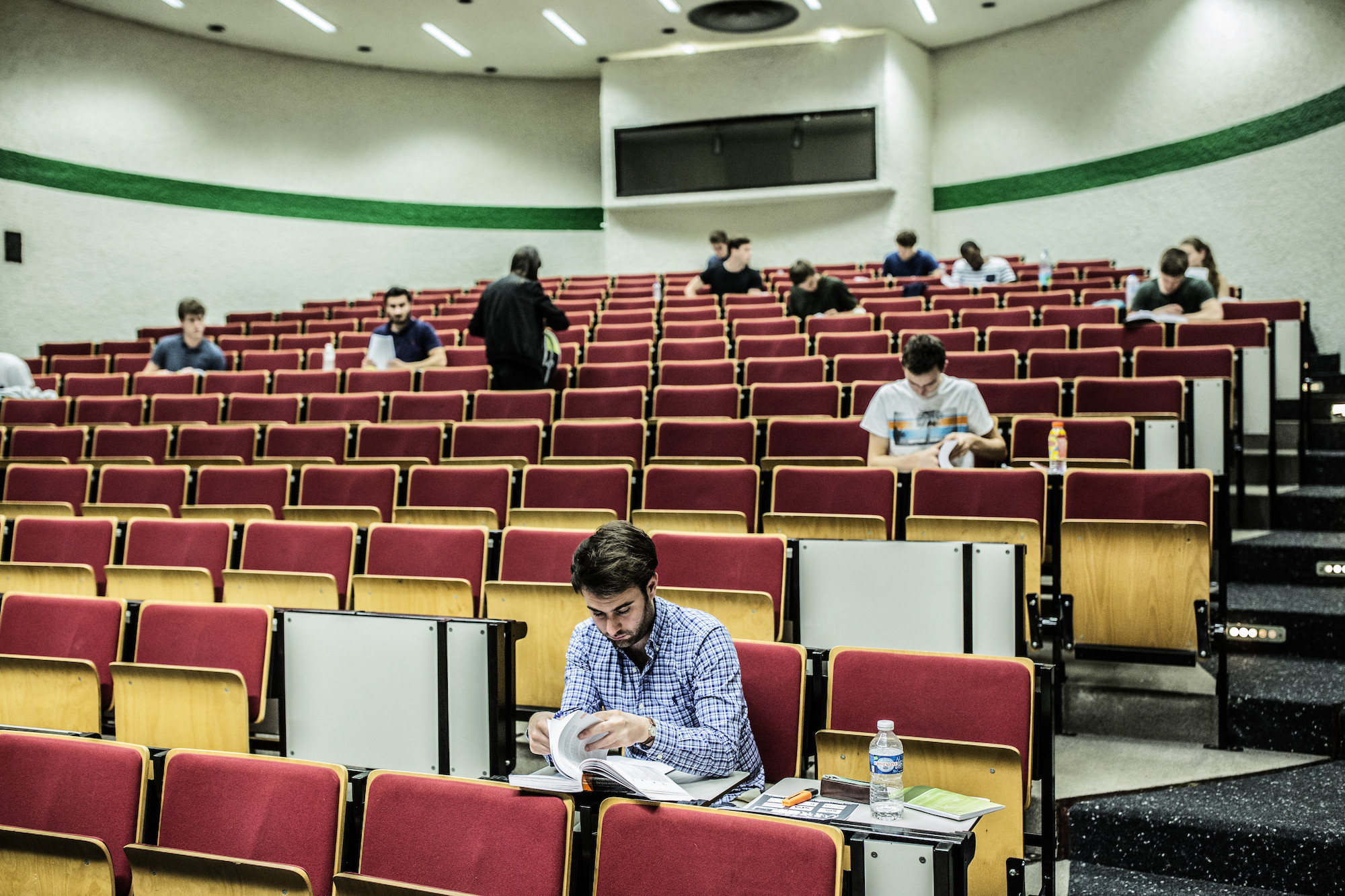
Inside a VUB campus. One of the five nominees for this year's science award is a VUB researcher. Credit: VUB
Fellow nominees for the Eos Pipet 2025 include Ghent University's Maude Jans. Her research focused on colorectal cancer, the third most commonly occurring type of cancer and the second leading cause of cancer-related deaths globally, according to the WHO. Jans' work involved research into bacteria which contribute to the development of colon cancer.
KU Leuven's Colinda Scheele was also nominated for her scientific contribution to cancer research. The researcher investigated the impact of the build-up and breakdown of breast tissue during the menstrual cycle. Her work uncovered the role this played in terms of cancer prevention and the impact it has on the effectiveness of chemotherapy treatments.

A patient receiving chemotherapy in a hospital in Belgium. Credit: Belga/Dirk Waem
The university in Leuven received another nomination thanks to Mattijs Bulcaen, who was shortlisted for his work on cystic fibrosis (CF). CF is a chronic condition which causes thick mucus production which can affect several crucial body parts including the airways, digestive system or liver for example. In his work, Bulcaen was able to repair the cells of CF patients in a laboratory.
Within the realm of sociology and law, the University of Antwerp's researcher, Naoual El Yattouti, was nominated for her work on discrimination within healthcare. El Yattouti's research included testimonies on discrimination faced by healthcare practitioners, which she is using to develop frameworks for improved policies in healthcare institutions.
The full details of each nominee's scientific contribution can be found online. Voting for the audience award is open to the general public until 31 July. The winner will be announced in September.
