
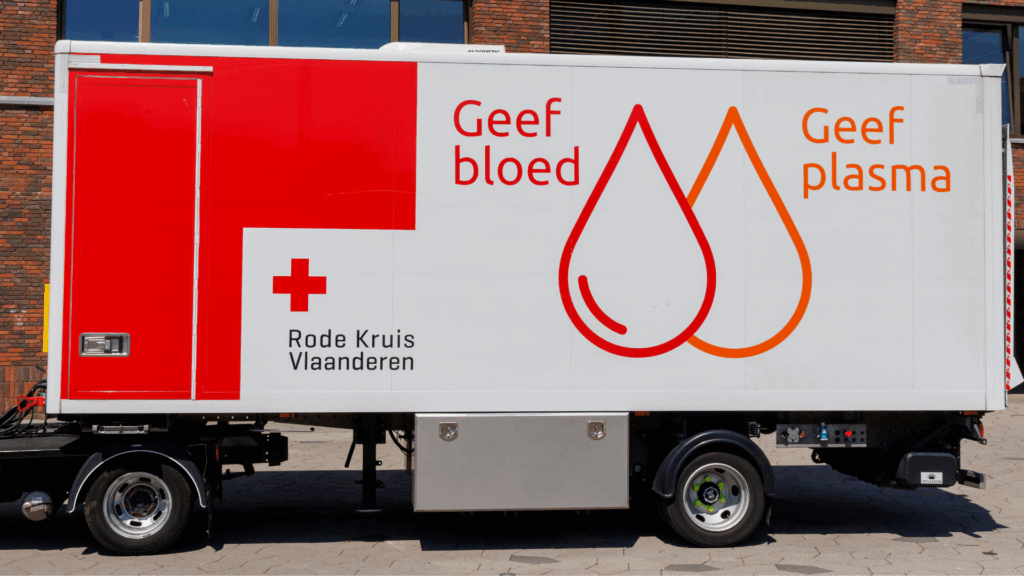
The Red Cross in Flanders is launching a quest for 25,000 additional plasma donors over the next few years so that Belgium can achieve independence from foreign plasma supplies.
Plasma medications are crucial for treating immune system disorders, such as those following chemotherapy. Each year, the demand for plasma-based medications rises both in Belgium and internationally. Last year, around 25,000 patients in Belgium received plasma-based treatments.
Currently, Belgium is only around 50% self-sufficient in plasma, relying heavily on imports. To address this need, Flanders aims to recruit 25,000 additional plasma donors by 2029.
"Plasma donation saves lives," said Federal Health Minister Frank Vandenbroucke (Vooruit) during a visit to the Red Cross donor centre in Leuven. "Thanks to scientific advances, plasma treatments are becoming increasingly precise and effective. It is vital for society to remain united and continue to donate."
The number of medical conditions treated with immunoglobulins (produced by plasma cells) is increasing annually. In 2010, Belgium required 1,125 kg of immunoglobulins. Today, the need has grown to over 3,000 kg, a rise of more than 150% in 14 years, and this trend is expected to continue.
Belgium currently covers just almost half of its plasma needs. The remainder, or its derived medications, comes from countries like the United States, which also face shortages. To reduce this dependency, Vandenbroucke is working on systematically increasing Belgium’s plasma capacity.
"A robust domestic plasma supply enables us to provide care confidently. We are committed to a strong, independent, and sustainable blood supply through our blood institutions. In challenging times, we must take care of each other," said Vandenbroucke.
