
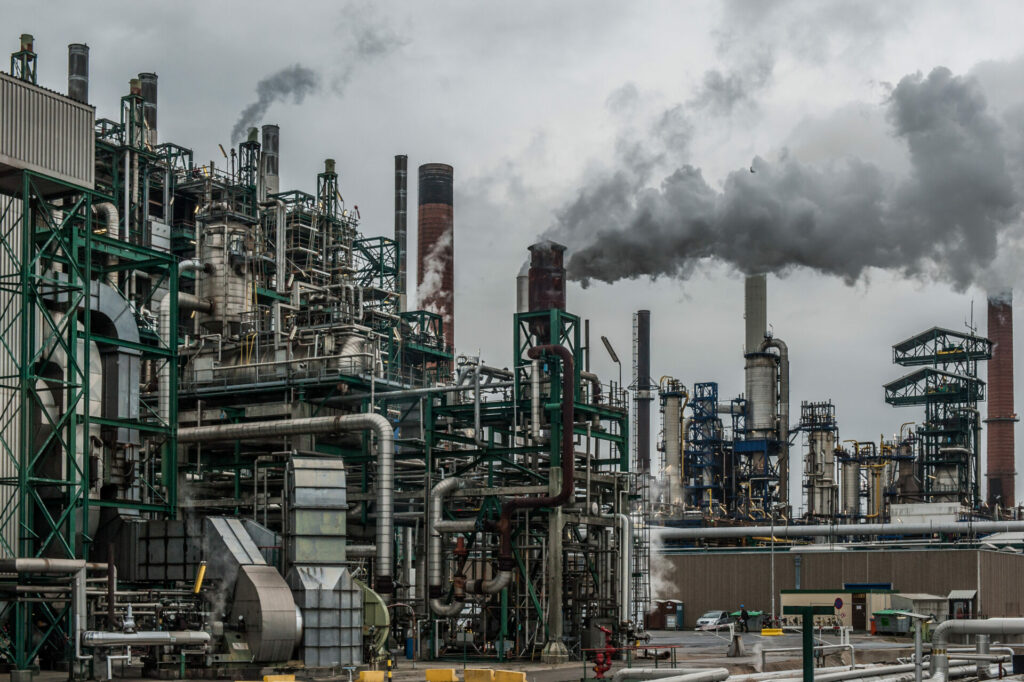
Subsidies for fossil fuels in Belgium increased in 2022 for the second consecutive year, according to the Federal Public Service Environment’s Climate Change Department, which was reported by De Standaard on Saturday, despite Belgium’s commitment to halt all fossil fuel subsidies by 2030.
Direct subsidies rose to €13.3 billion in 2022 from €12 billion the previous year, primarily due to temporary measures aimed at aiding households during the energy crisis, such as the expansion of social tariffs. Indirect subsidies, which have environmentally harmful effects, also increased to €3.4 billion. These include VAT exemptions on plane tickets and the tax treatment of company cars.
Direct fossil fuel subsidies have remained stable for years at 2.4% to 2.5% of GDP, consistent with levels before the energy crisis. Indirect subsidies add another 0.7%. This situation is likely unchanged, prompting the Organisation for Economic Co-operation and Development (OECD) and the European Commission to urgently recommend that Belgium ends these subsidies.
