
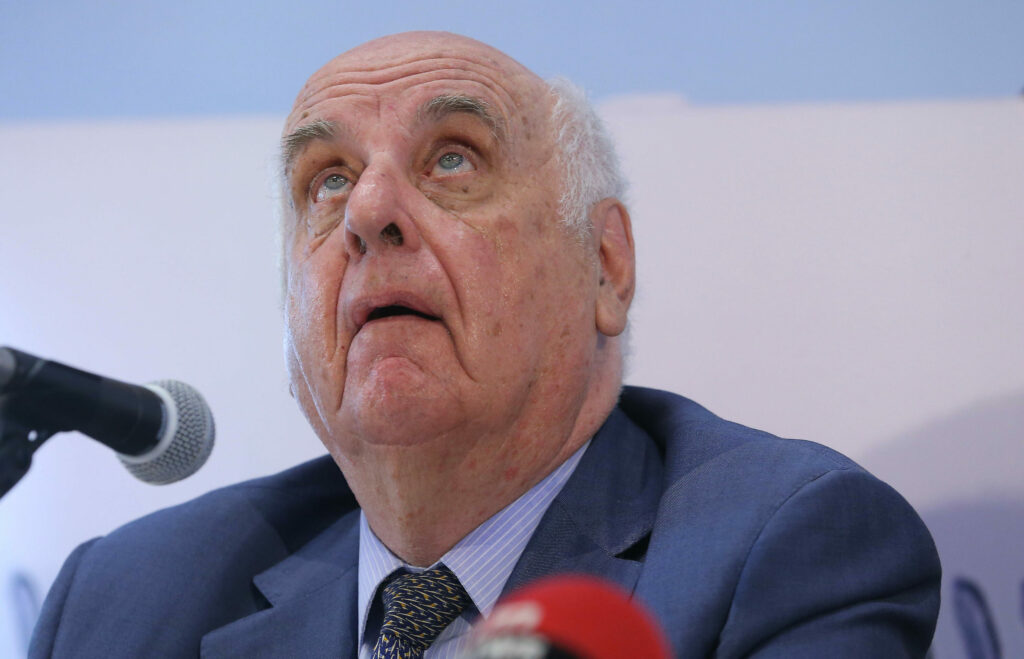
The decision on whether a former Belgian diplomat and businessman should stand trial for historic war crimes committed in Congo has been postponed until next year.
The Brussels Council Chamber met on Tuesday to consider whether or not the 92-year-old Etienne Davignon should go on trial for his alleged hand in the assassination of Congolese Prime Minister Patrice Lumumba on 17 January 1961.
In June 2011, Lumumba's eldest son filed a 136-page complaint that ten Belgian officials had participated in a war crime, namely the torture and assassination of the Congolese Premier.
After years of investigation, the Public Prosecutor has requested that Davignon go on trial at the criminal court "for participation in war crimes: unlawful detention and transfer of a civilian/prisoner of war; depriving a prisoner of war of the right to a fair and impartial trial; humiliating and degrading treatment".
Davignon is the last surviving individual accused of participating in a war crime by the Lumumba family.
The council has decided to postpone the decision until 20 January 2026.
Who is Davignon?
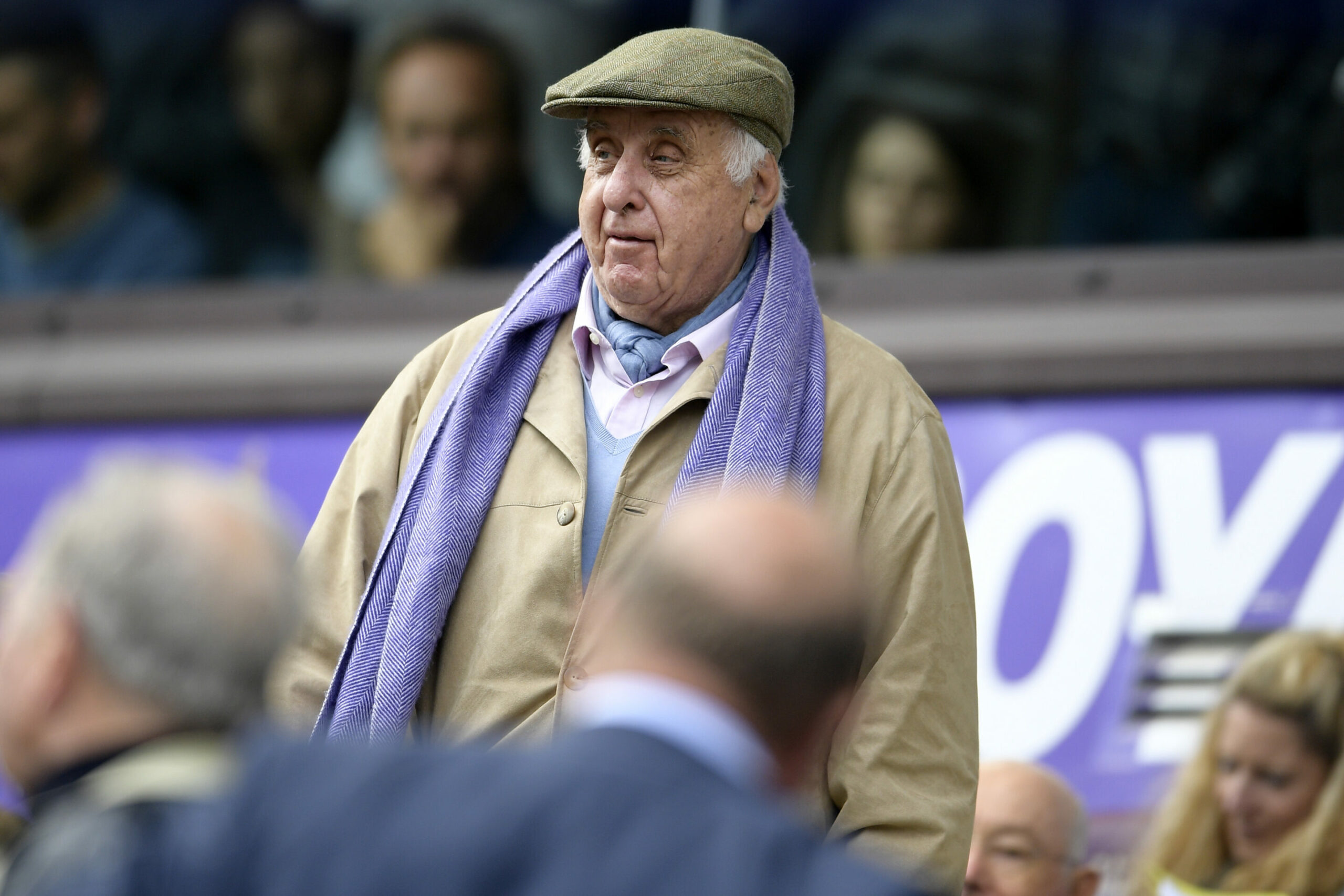
Etienne Davignon in 2018. Credit: Belga / Yorick Jansens
Davignon, the grandson of a Foreign Affairs Minister and long-term partner of the daughter of another Foreign Affairs Minister, was an intern at the Belgian Foreign Affairs Ministry based in Congo when Lumumba was assassinated.
In 2000 and 2001, a Belgian parliamentary commission of inquiry concluded that "certain members of the Belgian government and other Belgian actors have a moral responsibility in the circumstances that led to the death of Patrice Lumumba".
In 2022, then Prime Minister Alexander De Croo apologised on behalf of the Belgian State for the death of Lumumba during the handover of the deceased leader's tooth to his family, stating that Belgium had a "moral responsibility" for his demise.
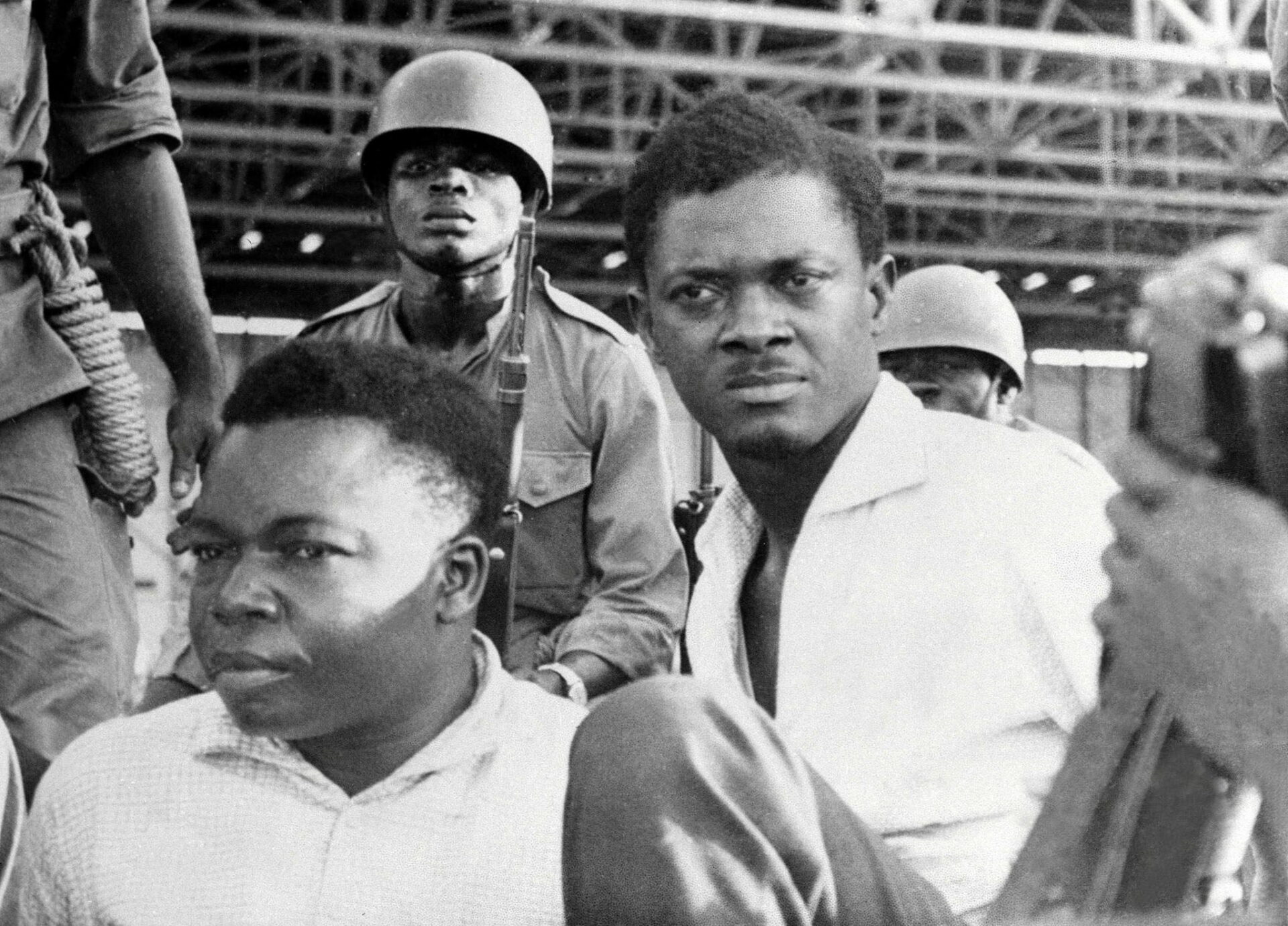
The assassinated first Prime Minister of the Democratic Republic of the Congo, Patrice Lumumba. Credit: Belga
Congolese expert and author Ludo De Witte has argued that Davigny's role was handled "with kid gloves" by the 2001 commission. A telex written by the intern in September 1960 states that it is a "primordial problem to remove Lumumba and achieve unity of the Congolese leaders against him".
In an exclusive interview with De Standaard in 2010, Davignon denied that this statement implied a desire for Lumumba to die. "Do you really believe that I was talking about the physical elimination of Lumumba?" he said. "I have to tell you that things are a little different at the Belgian Ministry of Foreign Affairs. That kind of solution is not in our tradition."
Related News
- The men who exposed the horrors of Leopold’s Congo
- 'The complicity needs to end': The EU's hand in violence in DR Congo
- How jazz played out over Congo’s chaotic coup
In the same interview, he said Belgium should not have to apologise for any of its activities in Congo.
"There are good and bad elements to the Belgian colonisation of Congo," he said. "But in general there is no reason to feel bad about it. You cannot ask this generation to apologise for decisions made 60 or 70 years ago."
"We must not judge the events of 1890 with the eyes of 2010. In Rwanda an apology was appropriate, but in Congo that would be a total exaggeration [...] We have also done good things in Congo."
Davignon went on to hold senior foreign affairs positions and was vice president of the European Commission from 1977 to 1985. He was granted the honorary title of Minister of State in 2004. He has also served as chairman of Brussels Airlines' board of directors and advisor to Engie.
Davignon's lawyer has told the press the client will not comment publicly on the case.
