
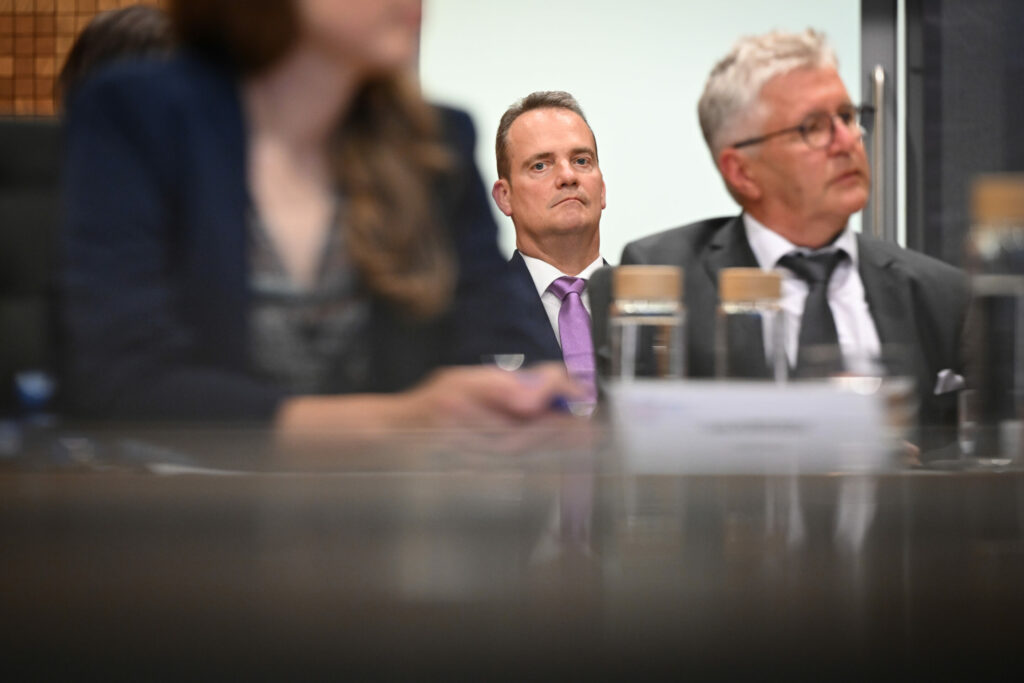
Belgium's German-speaking Community no longer wants to be ignored in the decision-making. With the Senate about to disappear, they are demanding guaranteed representation in the Federal Parliament.
While the German-speaking Community already has guaranteed representation in the Senate, the European Parliament and the Provincial Council of Liège (where it is located), this is not the case in the Chamber of Representatives or the Walloon Parliament.
"Our population needs at least one representative in the Chamber who can handle and address their concerns in German and represent the interests of German-speaking Belgians at the federal level," Oliver Paasch (ProDG), the Minister-President of Belgium's German-speaking Community, told The Brussels Times.
Like Belgium's Flemish and Francophone residents, the country's German speakers need a point of contact in the Federal Parliament, he argued. This week, the German-speaking Parliament overwhelmingly approved a resolution calling for "adequate, guaranteed" representation in the Chamber.
Not depending on goodwill
The role of a German-speaking federal MP works in two directions, Paasch explained. It involves informing the German-speaking population about key decisions taken at the federal level and being available to answer questions, but it also involves transmitting proposals and requests from the German-speaking Community to the federal level.
"Experience has shown that this dual function is not only meaningful but also necessary," he said. "This has been the case, for instance, in matters relating to the recognition of the German language, the creation of a separate judicial district, or the refinancing of the German-speaking Community."
In these matters, German speakers had guaranteed representation in Belgium's Federal Parliament through their delegate in the Senate, and often also through representation in the Chamber. However, that representation in the Chamber is not legally guaranteed.
In fact, it depends solely on the goodwill of Walloon parties – as there is no separate electoral constituency for the German-speaking Community: in recent years, it frequently occurred that a German-speaking Belgian became a member of the Chamber by being given an electable position on a list of a Walloon party.
"If the Senate is abolished, our only guaranteed representation in the Federal Parliament disappears. There is a real risk that our voice will no longer be heard at the federal parliamentary level," Paasch said.
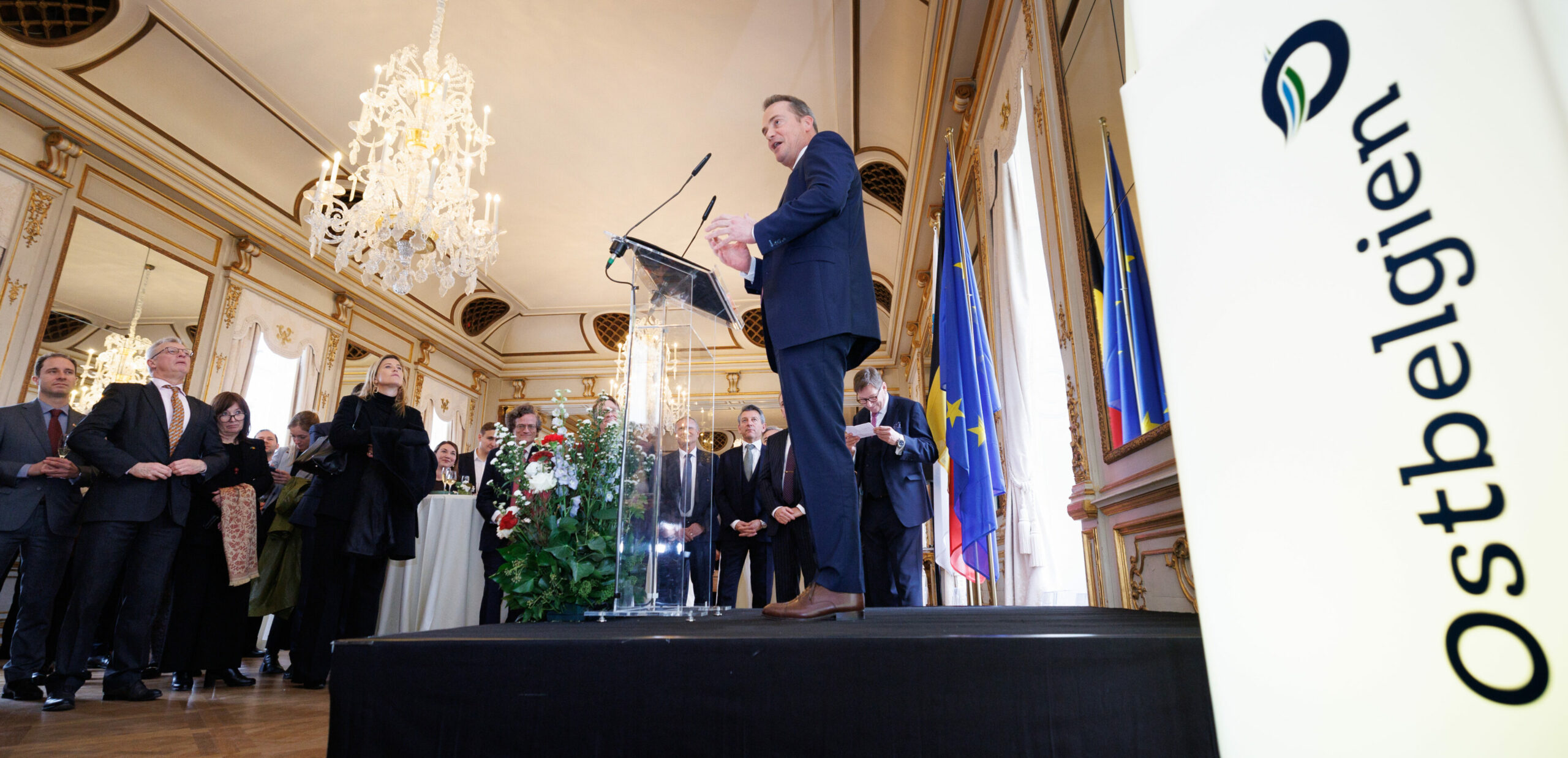
German Community Minister President Oliver Paasch (ProDG) delivers a speech at the celebration of the German-speaking community of Belgium feast, November 2024. Credit: Belga/Benoit Doppagne
Without the Senate, and therefore without guaranteed German-speaking representation at the federal level, the Community wants its right to be heard enshrined in a different way: through the creation of a dedicated electoral constituency for the German-speaking Community.
"It is essential that the German-speaking Community clearly and forcefully formulates its demands to the Government and the Parliament," Paasch said. "To achieve this goal, the only solution we see is the creation of a separate constituency for the German-speaking territory, without any affiliation of lists."
Additionally, the elected German-speaking representatives should not become members of one of the language groups in the Federal Parliament, as is currently the case for the German-speaking senator.
"We are calling for the same principle to be applied to the Chamber as is currently applied to the Senate. Our Senator theoretically does not belong to any language group. The same arrangement could be possible for our representative(s) in the Chamber," Paasch said.
As Article 4 of the Constitution stipulates that certain decisions of the Chamber require a majority in each language group, this stipulation can be quite relevant in Belgium.
