
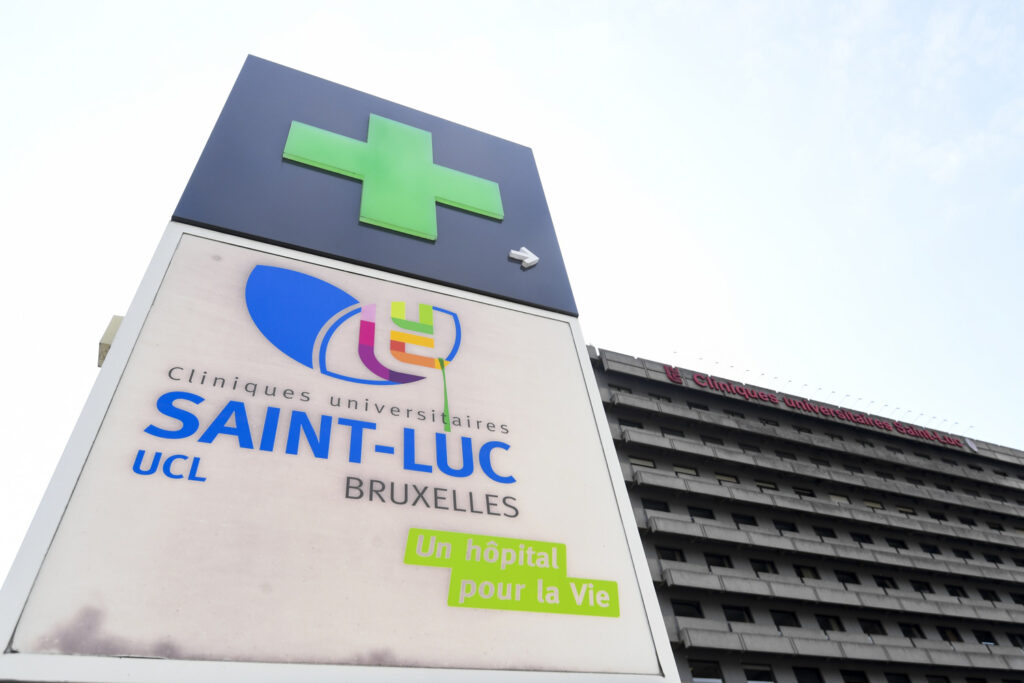
Four children with congenital pseudarthrosis of the tibia (CPT), a rare bone disease, have been successfully treated using an autologous therapy, Belgian company Novadip Biosciences and Saint-Luc University Clinics announced on Monday.
The treatment involves an implant (NVD003) described as a biological “plasticine.”
Dr Denis Dufrane, co-founder and CEO of Novadip, expressed his delight: “As the inventor of this technology, I am thrilled that NVD003 has prevented amputation in these children. Our goal is clear: to make this solution accessible to as many affected children as possible.”
The procedures took place in January 2018. They were conducted by Professor Pierre-Louis Docquier, a paediatric orthopaedic surgeon at Saint-Luc, under compassionate-use programmes authorised by the Federal Agency for Medicines and Health Products (FAMHP).
The graft was implanted directly into the non-healing fracture to promote bone regeneration. After a follow-up period of 4 to 7 years, the four children have achieved complete bone healing, with no new fractures or adverse effects related to the treatment.
Novadip also announced new clinical trials earlier this year, involving four additional CPT patients. The first of these patients recently underwent a successful 24-month follow-up visit and continues to do well.
The biotechnology company plans to launch a Phase 3 clinical trial in June, aiming to market NVD003 by 2027.
“The results achieved over several years with this innovative regenerative therapy in young patients are simply exceptional,” said Professor Docquier.
CPT causes spontaneous fractures that do not heal naturally, making treatment particularly complex. It affects between 1 in 140,000 and 1 in 250,000 newborns.
