
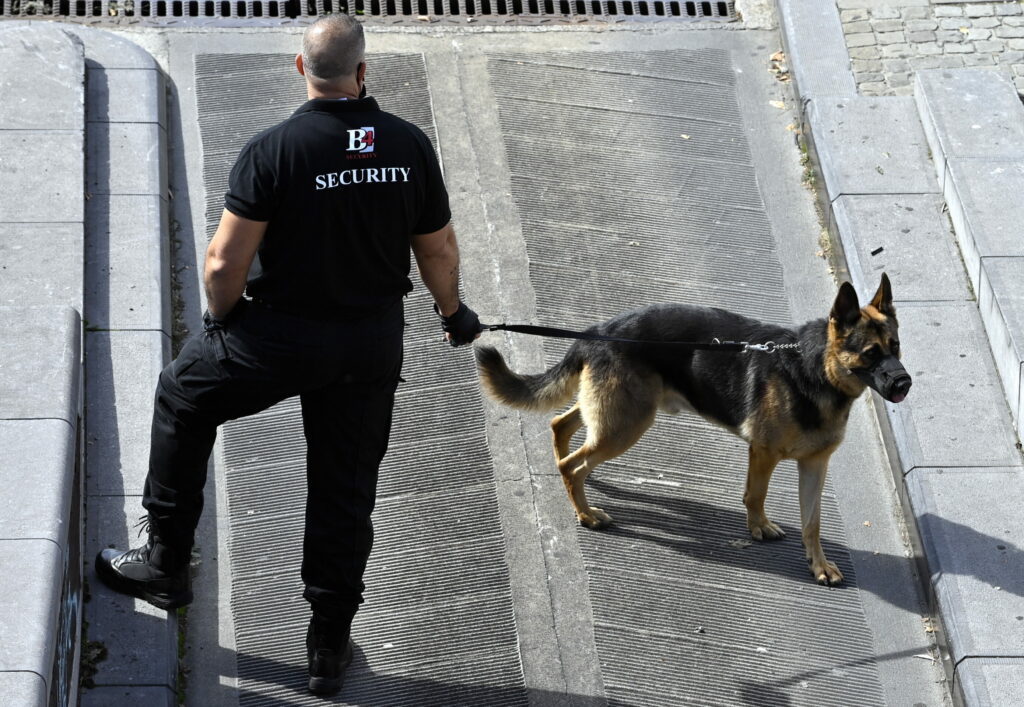
Following media reports that Brussels' Public Prosecutor Julien Moinil is receiving police protection after getting threats from the drug world, which we have independently verified, The Brussels Times has learned that a total of 101 people in Belgium are currently under protection by the police.
The 101 protected people are part of 67 security files, meaning some cases involve more than one person. All of them received credible and real threats to their lives as a result of the work they do. This concerns people from various professional groups, but police officers, magistrates and ministers are most often targeted, and therefore most often protected.
Whether and to what extent someone needs police protection is decided by the National Crisis Centre (NCCN), based on an analysis by the Coordination Unit for Threat Analysis (CUTA) and the Federal Police.
"Which measures are needed is determined on a case-by-case basis, but they can range from regular police patrols in the neighbourhood where the protected person lives and/or works to counselling and having a direct contact person with the police, for example," a spokesperson for the Crisis Centre told The Brussels Times.
Virologists and ministers
Overall, efforts are made to maximise risk avoidance (for example, by avoiding certain places). Then, additional protective measures – which "may or may not be visible, preventive or reactive" – are put in place.
In exceptional cases, individuals are assigned close protection. This means that police officers protecting them are armed and can take out someone causing a physical threat. "Even more rarely, we can take someone to a safe house. But as that is incredibly drastic, the threat needs to be very high and imminent," he said.
This was the case in the spring of 2021, when Belgian virologist Marc Van Ranst – the man who advised the Federal Government on how to manage the Covid-19 pandemic – and his family were put in a safe house after investigations showed career soldier Jürgen Conings, who had made threats against him and was sought by police in Belgium for weeks, had been hanging around his house.
A year later, at the end of 2022, former Federal Justice Minister Vincent Van Quickenborne (Open VLD) and his family stayed in a safe house for over a month as well, also after threats from the drug world.
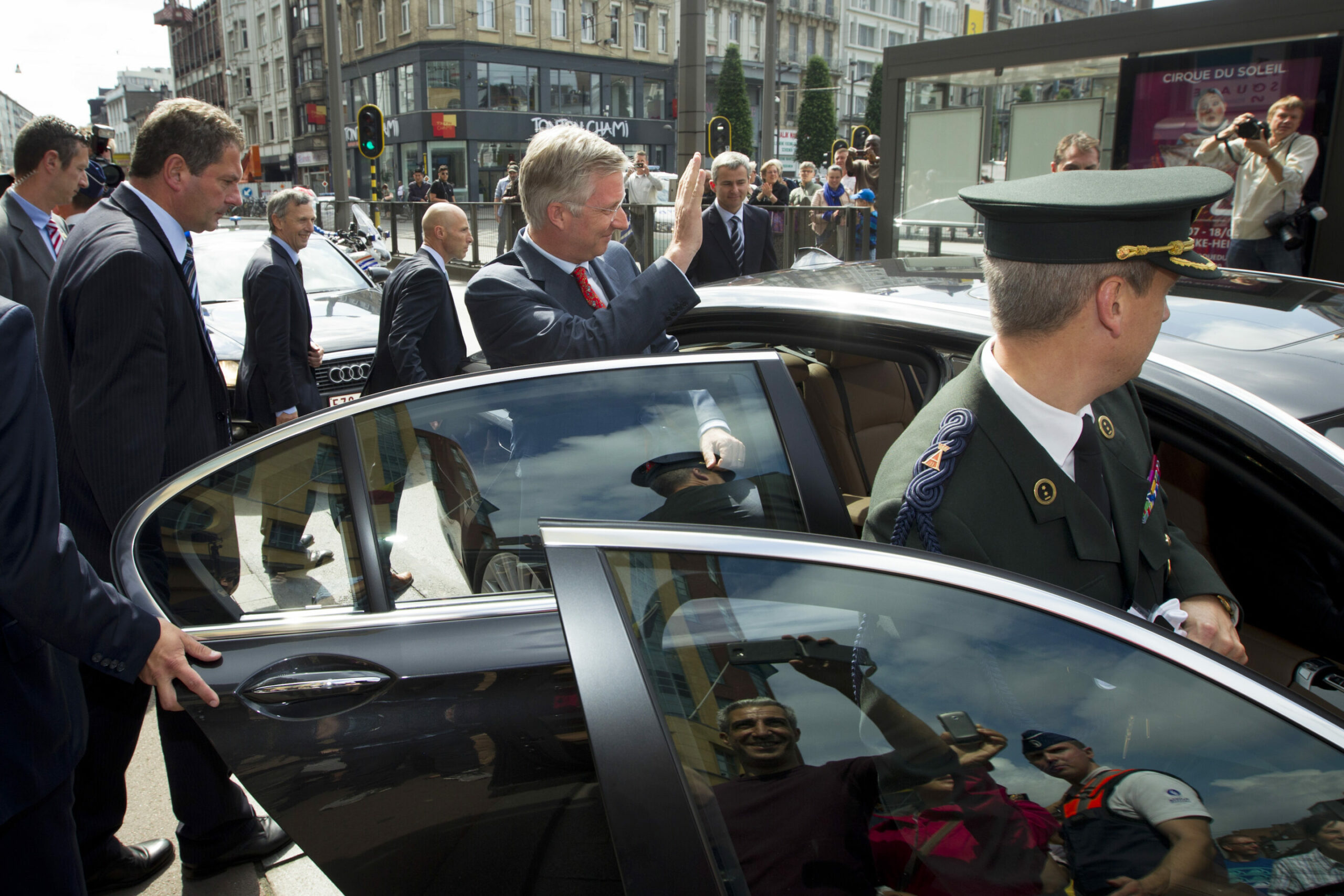
King Philippe (when he was still Prince Philippe) surrounded by security guards. Credit: Belga/ Kristof Van Accom
The Crisis Centre draws up these specific measures per case and per person involved, and also monitors their implementation in cooperation with the police forces. They do not communicate about the specific measures or people receiving protection. "The more discrete they are, the more effective they are."
In the case of Brussels Public Prosecutor Julien Moinil, Belgian media report that he is now accompanied by bodyguards around the clock and all his movements are made under police escort. Sources from the justice system said that it concerns a "concrete and serious threat" from the organised drug-related crime environment in Brussels.
While neither the Brussels Public Prosecutor's Office nor the National Crisis Centre officially want to confirm the measures (as is customary in cases involving personal security), The Brussels Times has independently confirmed that they are in place.
Third time
Notably, this is the third time that Moinil has received protection, Belga News Agency reports. The measures come after he made the fight against drug trafficking in the capital a priority, with large-scale police operations on the ground, since he took over the Brussels Public Prosecutor's Office six months ago.
The first time he received protection was in 2020, when Moinil was still a federal magistrate and investigating large-scale fraud involving the sale of cars. The gang behind the fraud allegedly tried to hire a hitman to kill him.
The second time was a year later, when he received police protection in the context of the major Sky ECC phones used by drug criminals being cracked. According to Le Soir, a bounty of €1 million was put on his head by Albanian gangs.
Overall, the number of new files in Belgium remains fairly constant, except in 2021, when a spike was recorded in the context of Sky ECC phones used by drug gangs being cracked. Additionally, a peak was recorded in 2015, which can be linked to the terrorist context Belgium was in at the time.
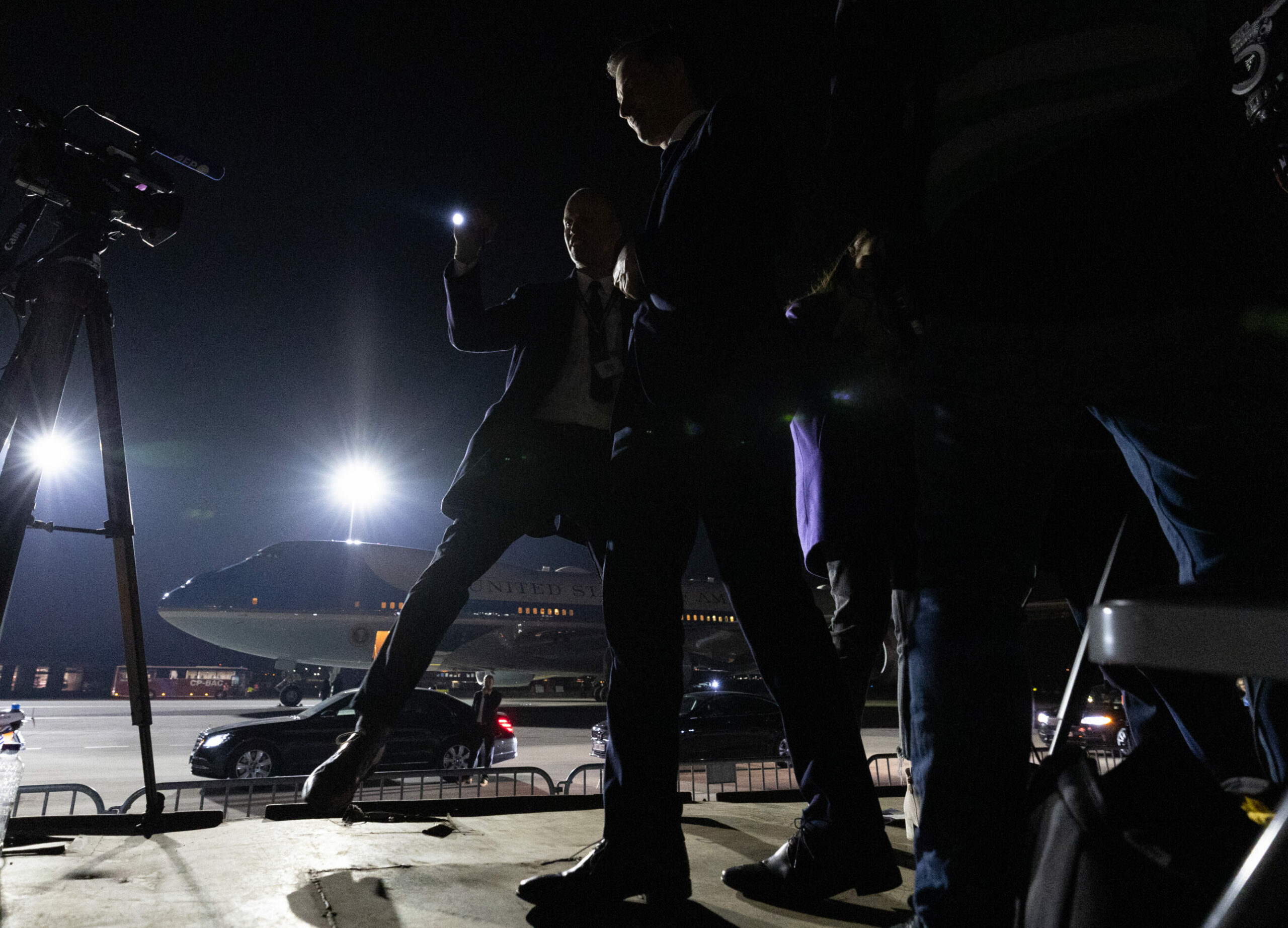
Former Belgian Prime Minister Alexander De Croo (Open VLD) lit by a lamp from the security guard on arrival at the military airport in Melsbroek, 23 March 2022. Credit: Belga/Benoit Doppagne
Italy, another European country with a well-documented record of organised crime, published data about the number of people under police protection in 2019. At the time, 569 people were under increased surveillance in the country.
Italian writer and journalist Roberto Saviano, for example, has been living under police protection since 2006 after receiving death threats from one of the mafia clans in the country for his work. The lion's share of cases in Italy was registered in the administrative regions of Lazio (which includes Rome) and Sicily.
When comparing the two countries, this means that the proportion of people under police protection in Belgium (101 in a population of nearly 12 million) is similar to Italy (569 in nearly 60 million).
Related News
- Brussels Public Prosecutor Julien Moinil receiving round-the-clock police protection
- Private residence of Minister Van Quickenborne under increased surveillance again
- Jürgen Conings case: More people receiving extra police protection
- Major drug, sexual violence and genocide cases to open the judicial year
