
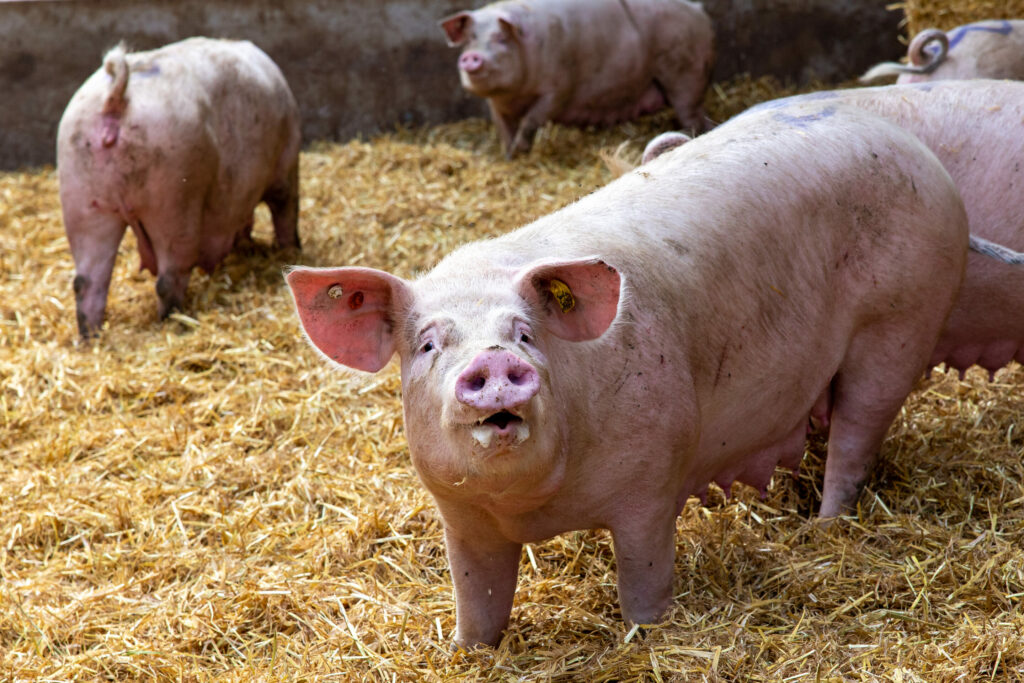
The number of pigs and cattle in Flanders is expected to significantly decrease by 2030, according to a new projection by the Agency for Agriculture and Fisheries reported by De Tijd on Tuesday.
The decline will be most pronounced in pig farming, with a projected reduction of a quarter. Dairy cattle numbers are expected to drop by approximately 6%, and beef cattle by 10 to 15%, potentially reducing the entire cattle population by up to 10%.
The primary cause of this decline is a wave of retirements in the Flemish agriculture sector. By 2030, between one-fifth and a quarter of pig and cattle farmers will reach the retirement age of 65, often without successors, resulting in a portion of the farming capacity remaining unfilled.
Stricter environmental regulations imposed by Europe are also a contributing factor. To reduce emissions, such as nitrogen, significant investments are necessary, but with volatile pricing in the livestock industry, many farmers are reluctant to make these investments. As a consequence, agricultural consolidation will continue, with fewer but larger farms remaining.
The reduction in pig and cattle numbers is expected to decrease greenhouse gas emissions from Flemish agriculture. Last week, the Flemish government’s climate plan revealed that agriculture would face a less stringent target for CO2 emission reductions.
