

In Belgium, 16 July is "Tax Liberation Day" this year. In theory, this is the day that Belgian employees no longer pay taxes and therefore begin working for themselves, according to the 16th edition of the 'The Real Social and Fiscal Pressure on the Average Employee in the EU' study.
When looking at an employee earning the average wage, "Tax Liberation Day" is the day when they theoretically stop paying taxes and social security contributions. For the remaining months of the year, they can spend the fruits of their labour as they wish.
Of the 27 EU Member States and the United Kingdom covered in the study, Belgium has the second-most heavily taxed workers. Only France taxes their employees more. Meanwhile, Tax Liberation Day is celebrated earliest in Malta (15 April), Cyprus (24 April) and the UK (8 May).
"Belgian employees now pay more taxes than anyone else in Europe after the French, but they do not get the best public services in return," said James Rogers, co-author of the study. "Our neighbours pay less tax while enjoying better healthcare, better education and greater well-being."
"While wages have risen, and the government has therefore collected more and more taxes, there has been no real relief since the 'tax shift'. But if the new government sticks to its plans to reform social security and income tax, I am hopeful that Belgium will cease to be the champion of taxation on average employees next year," he added.
168 'tax-free' days
The "effective tax rate" (including VAT) for an average Belgian employee is now 54.5% – compared with 44.3% in the EU-27.
In terms of days, Belgians worked for the first 197 days of 2025 to pay their taxes until their "liberation day" on 16 July – leaving them with 168 remaining "tax-free" days of the year. For all of the EU, the average number of days worked is 162 to pay compulsory levies.
An employer in Belgium has to spend €217 for the average employee to receive €100 net after contributions and taxes, due to tax cuts since the peak in 2013 (when employers paid €252 for €100 of purchasing power).
Compared to 2013, when tax pressure was at its highest in the 15 years covered by this study, Belgian employees are "free" from taxes 20 days earlier and enjoy €10,519 more in purchasing power, according to the study.
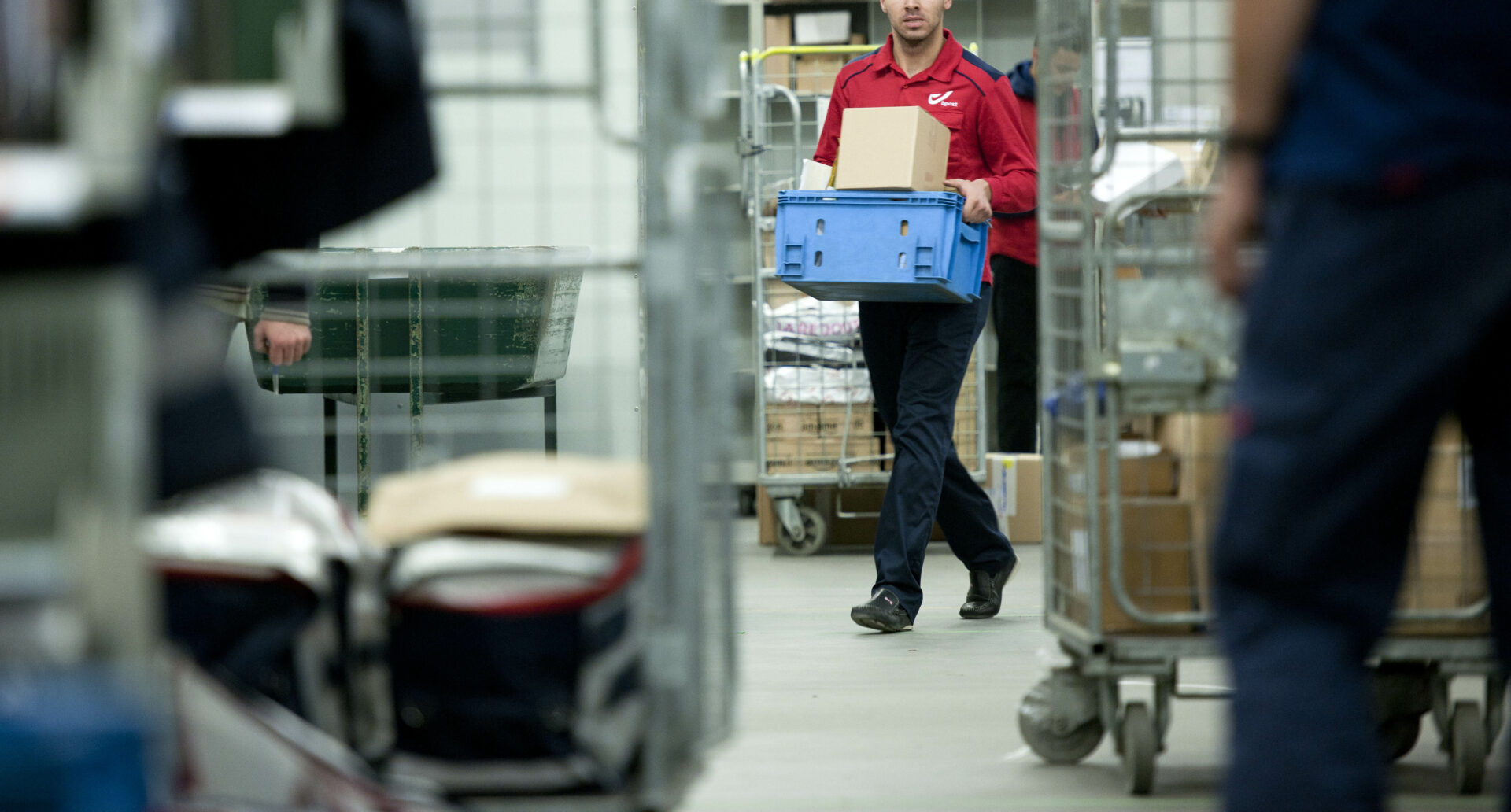
Bpost employee. Credit: Belga / Jonas Hamers
However, the study also states that the Belgian authorities are unable to provide services commensurate with the amounts they collect from employees. Among the 28 countries surveyed, Belgium ranks sixth in terms of quality of life, according to the Best Countries Survey 2024 – below its French, German and Dutch neighbours, who pay less tax.
Hendrik Serruys, partner EY Tax Consultants, stressed that "significant progress" has already been made. "The figures show that Belgium still ranks among the countries with the highest tax burden on labour, but they also highlight the positive impact of earlier reforms such as the tax shift."
At the same time, Serreuys said that there is still room to further reduce the gap between labour costs and net income. "Continued structural reforms can help create a labour market that remains both competitive for employers and attractive for employees."
The study, carried out by James Rogers and Nicolas Marques of the Molinari Economic Institute, uses salary figures from the OECD and national statistical offices as a reference base. Calculations of employer and employee contributions and income tax are carried out by EY.
