
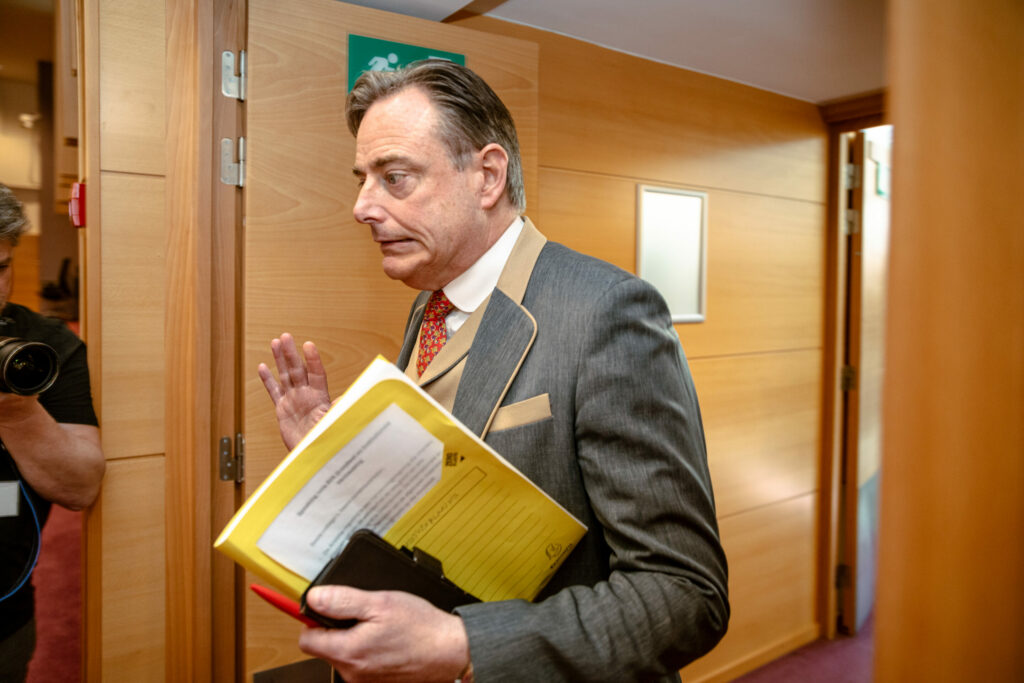
The Federal Government cemented its 'Summer Agreement' early on Monday morning, just in time for Belgian National Day.
The agreement aims to make the economy more competitive and will need to be approved by the Federal Parliament.
Prime Minister Bart De Wever (N-VA)hailed a "pension reform, tax reform, modernisation and flexibilisation of the labour market" at a press conference on Monday.
Pensions: Stick and carrot
The current official age of retirement in Belgium is 66 but will soon rise to 67. As it stands, some civil servants may retire much earlier, but the new rules mean significant changes.
People who work longer will be rewarded more than today. This will initially be 2% for each additional year worked, rising to 4% from 2030 and 5% from 2035.
People who stop before the official age will lose part of their pension allowance. The same percentages as the incentive to work longer will apply. The penalty will not apply to individuals who have worked at least part-time for 35 years and have accumulated 7,020 days of work.
The retirement age for military personnel and train drivers will be significantly delayed in order to align it with the general standard.
The reforms will not be implemented until next year, so those who retire in 2025 will not be affected.
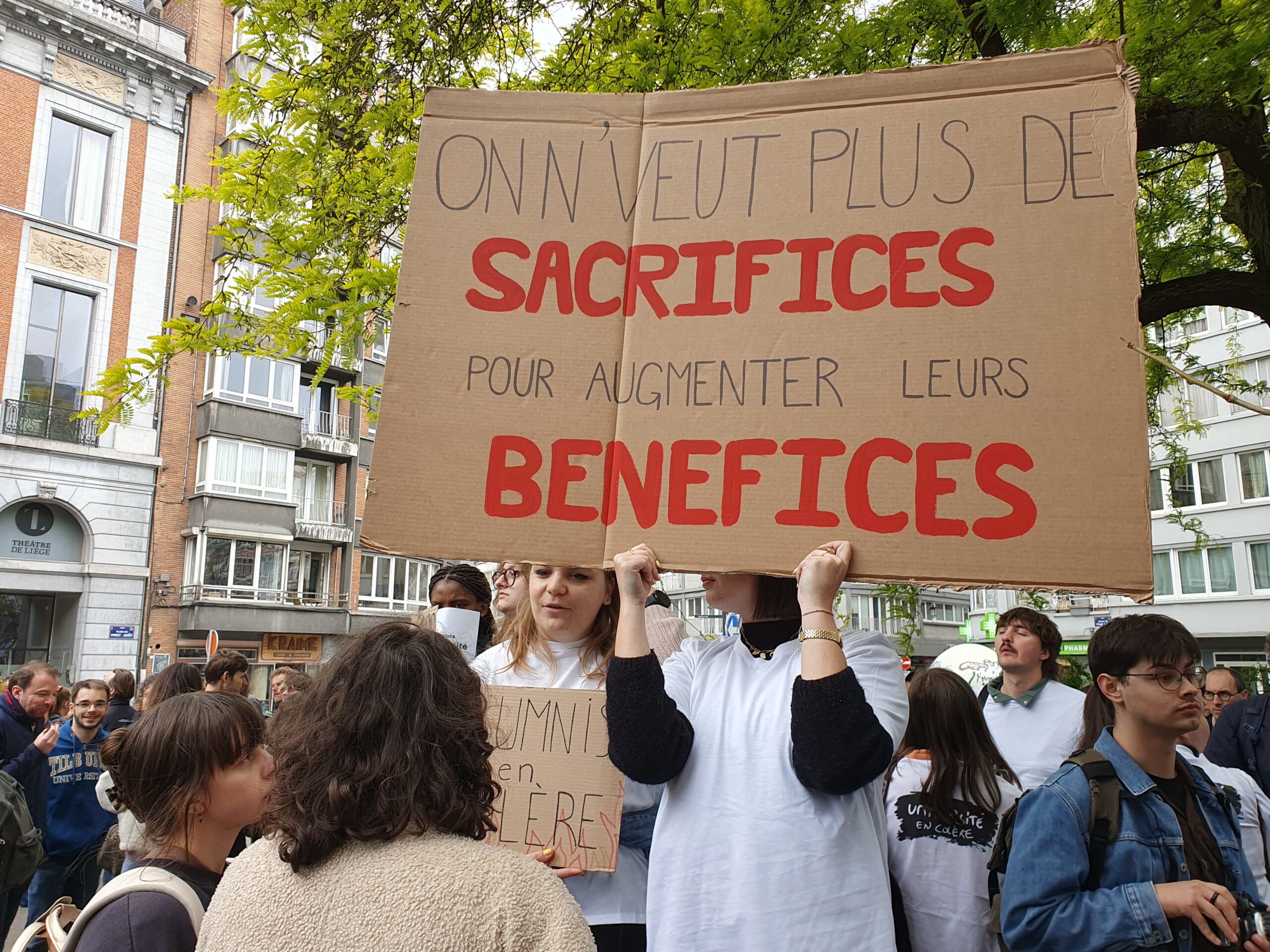
Protest against Arizona reforms organised by staff at the University of Liège on 7 May 2025 in Liege. Credit: Belga / Laurent Cavanati
Tax reforms
According to Finance Minister, tax reforms will amount to €4.4 billion by 2029.
The cap on tax-free incomes will increase from €10,910 to €15,300, a process that will begin from 2026.
The special social security contribution will be reduced for single individuals, providing an annual net benefit of up to €365 per person.
Pensioners who continue working will be subjected to a maximum tax rate of 33%, self-employed individuals without a company will receive additional support and the penalty for insufficient advance tax payments will be abolished.
Labour market
The right-wing Arizona coalition believes that social protection has made the Belgian labour market inflexible.
A new overtime system will be introduced. 360 voluntary hours are now possible (240 hours are tax-free), and in the hospitality sector the cap rises to 450 hours (360 hours tax-free).
The ban on night shifts will be abolished, as will minimum weekly working times in order to avoid undeclared work.
Mergers and healthcare
The agreement confirmed a Brussels police zone merger, which will take place in the coming years.
Interior Minister Bernard Quintin (MR) had announced the approval of his preliminary draft law on the merger on Friday, putting the issue back on the agenda on Sunday night.
"We support this reform," said Foreign Affairs Minister Maxime Prévot (Les Engagés) at the press conference on Monday – his party was the one stalling the change until Friday.
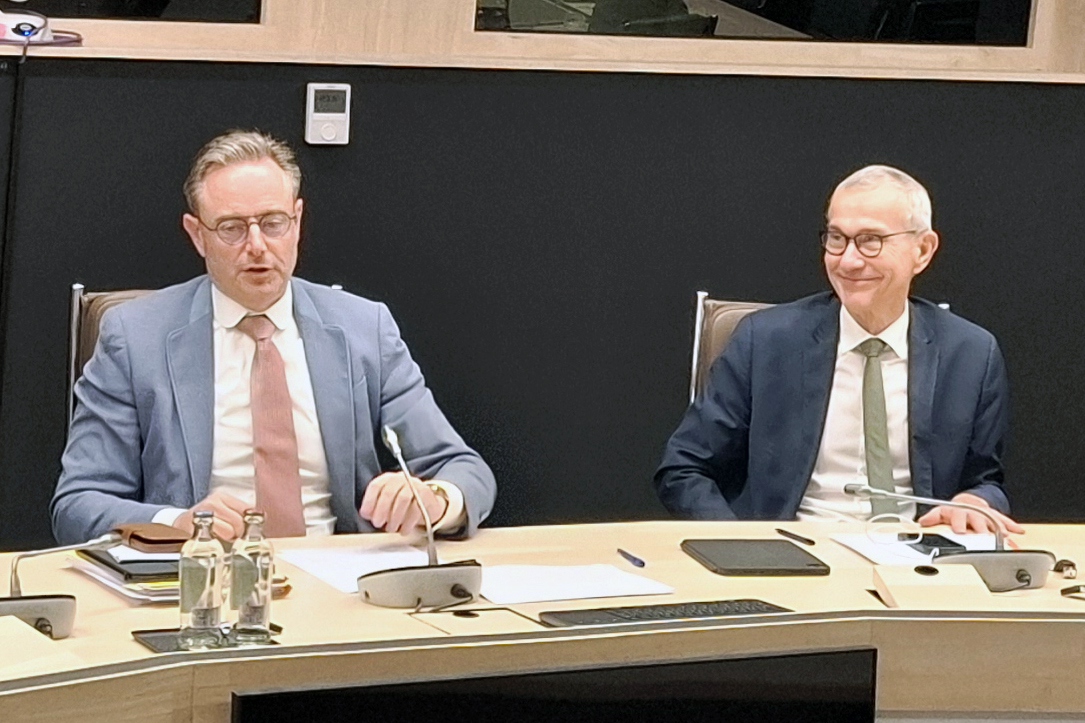
Prime Minister Bart De Wever and Health Minister Frank Vandenbroucke on Monday 21 July 2025 in Brussels. Credit: Belga / Benoit Toussaint
In terms of healthcare, there will be a cap on what doctors can charge patients. A more in-depth consultation period will occur in 2026, but Health Minister Frank Vandenbroucke is happy with the initial steps taken in the summer agreement.
Medical unions had contested the initial drafts of the framework law and went on strike to express their discontent on 7 July.
'Workers and pensioners foot the bill'
According to the Federation of Belgian Enterprises (FEB), the agreement confirms that "the reform train is definitely on track".
The organisation says that numerous measures are part of a broader initiative aimed at boosting the Belgian economy, raising the employment rate to 80% and tackling the tax burden.
The French-speaking green party Ecolo has denounced "brutal" policies they say will have a negative impact on workers.
"There is nothing to celebrate for workers, especially female workers," the party said in reaction to the agreement on Monday.
"Savings? They will be made in the wrong pockets, at the expense of the weakest and the middle class: it is workers and pensioners who will foot the bill."
Related News
- The Federal Government has reached its summer agreement
- 'It's a scandal. And there are worse cases than mine' - 62-year-old loses benefits
- 'The stick is needed too' - Social welfare chief defends end to unemployment benefits
"Workers will have to bend over backwards for lower wages, work late or early with unpredictable hours," said said Ecolo co-leader Marie Lecocq and federal deputy Sarah Schlitz. "The decisions of MR and Les Engagés, allied with N-VA, will accelerate the burnout epidemic."
The party has also criticised pension reforms and its effect on women: "Women still bear the majority of unpaid family responsibilities, work more often part-time and hold less stable jobs."
Parliamentary leader of the Belgian Workers Party (PTB-PVDA) Sofie Merckx called the labour reforms "the biggest social setback in the last 40 years".
