
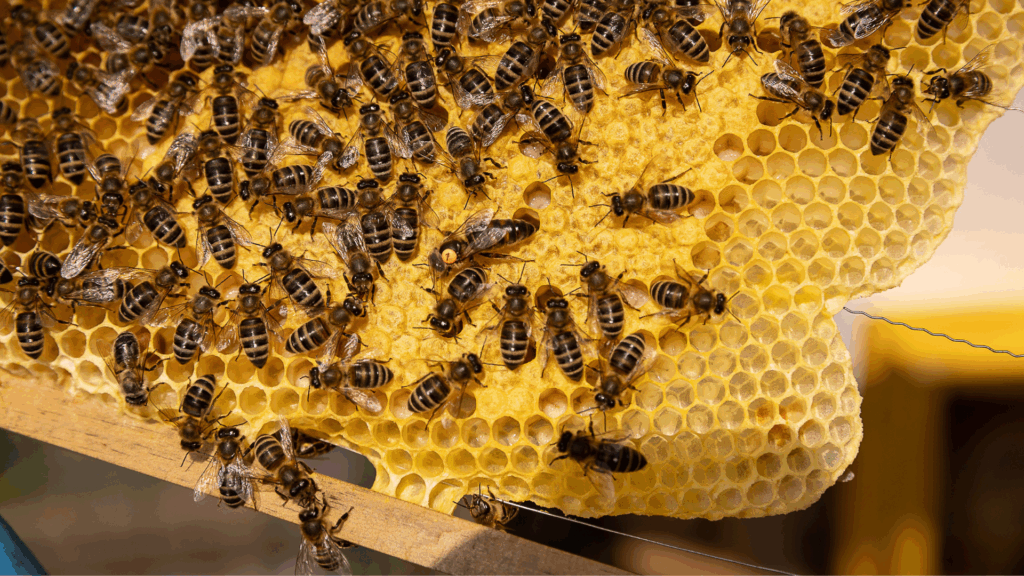
The number of honey bees lost during last winter surpassed the "normal" averages, with Brussels leading the country's honey bee mortality rate, according to a study shared by Ghent University's Honeybee Valley institute.
Belgium saw a decline of 22.5% of honey bee colonies during the winter of 2024-2025. This represents around 1,679 bee colonies. "A normal winter decline is considered to be around 10%. The 23% we see now is too high," said Honeybee Valley's Ellen Danneels.
The Belgian capital, which had the fewest bee colonies at the start of the winter season, faced the greatest losses. Overall, Brussels recorded a decline of 44%, which was closely followed by East Flanders with a 35.9% decline, and Limburg with a 33.5% decline.
Nonetheless, Danneels noted that the general high bee mortality in the country is not "abnormal" considering the trends in recent years. "The causes are a combination of the parasitic varroa mite, the stress caused by the Asian hornets, the food decline, use of pesticides and beekeeping practices," she added.
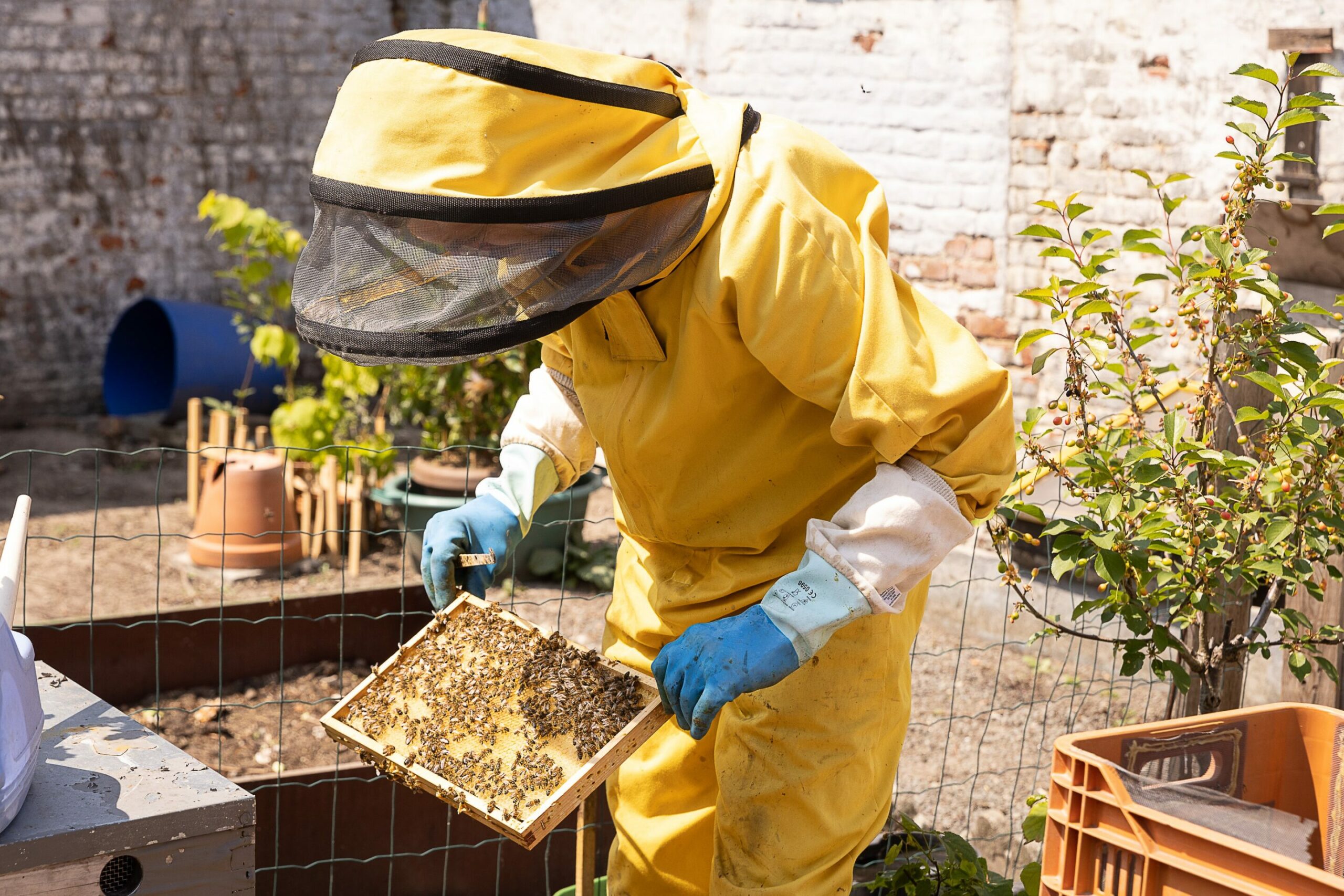
A beekeeper tending to his honey bee colonies. Credit: Belga/James Arthur Gekiere
However, honey bees are not the only types of bees under pressure in the country. On Tuesday, the first list of endangered wild bees in Flanders was presented. The list provided a risk assessment and status update for 340 wild bee species.
About 10% of wild bees in Flanders have disappeared, meaning they have not had any populations in the region for over 10 years. Meanwhile, 30% of the wild species are currently threatened, of which 14% are critically endangered.
The trends are in line with the rest of Belgium and other countries in Europe, according to Jens D'Haeseleer, researcher and co-author of the list of endangered wild bees. “For instance, in the Netherlands, UK, Germany, it's more or less the same. Let's say 40 to 50% of all species in northwestern Europe have either disappeared or are not doing well.”
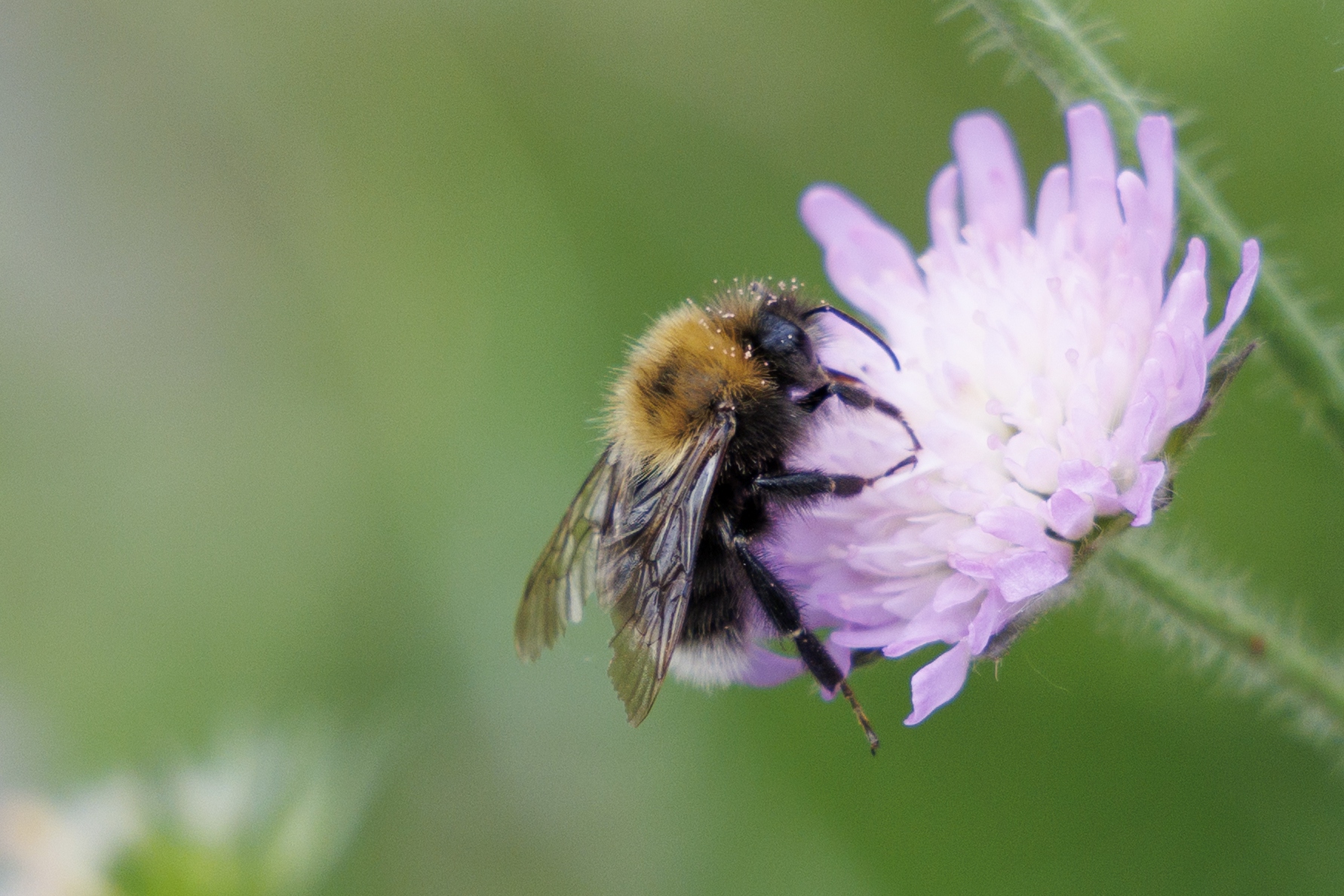
A bumblebee. Credit: Belga/Nicolas Maeterlinck
The decline can be detrimental for the pollination of wild plants and crops. “Pollination is done mostly by insects, and from the insects, it's mostly wild bees that are the best and most efficient pollinators,” D'Haeseleer added.
Among the issues some wild bees are facing is nitrogen pollution, mostly caused by agriculture or traffic pollution. This can make vegetation grow faster, taller, and broader, limiting the open soil available for some wild bees to nest, according to D'Haeseleer.
In addition, climate change is impacting the population and distribution of wild bees. “We are losing some bee species, and gaining others,” D’Haeseleer said, adding that such changes can impact the pollination system.
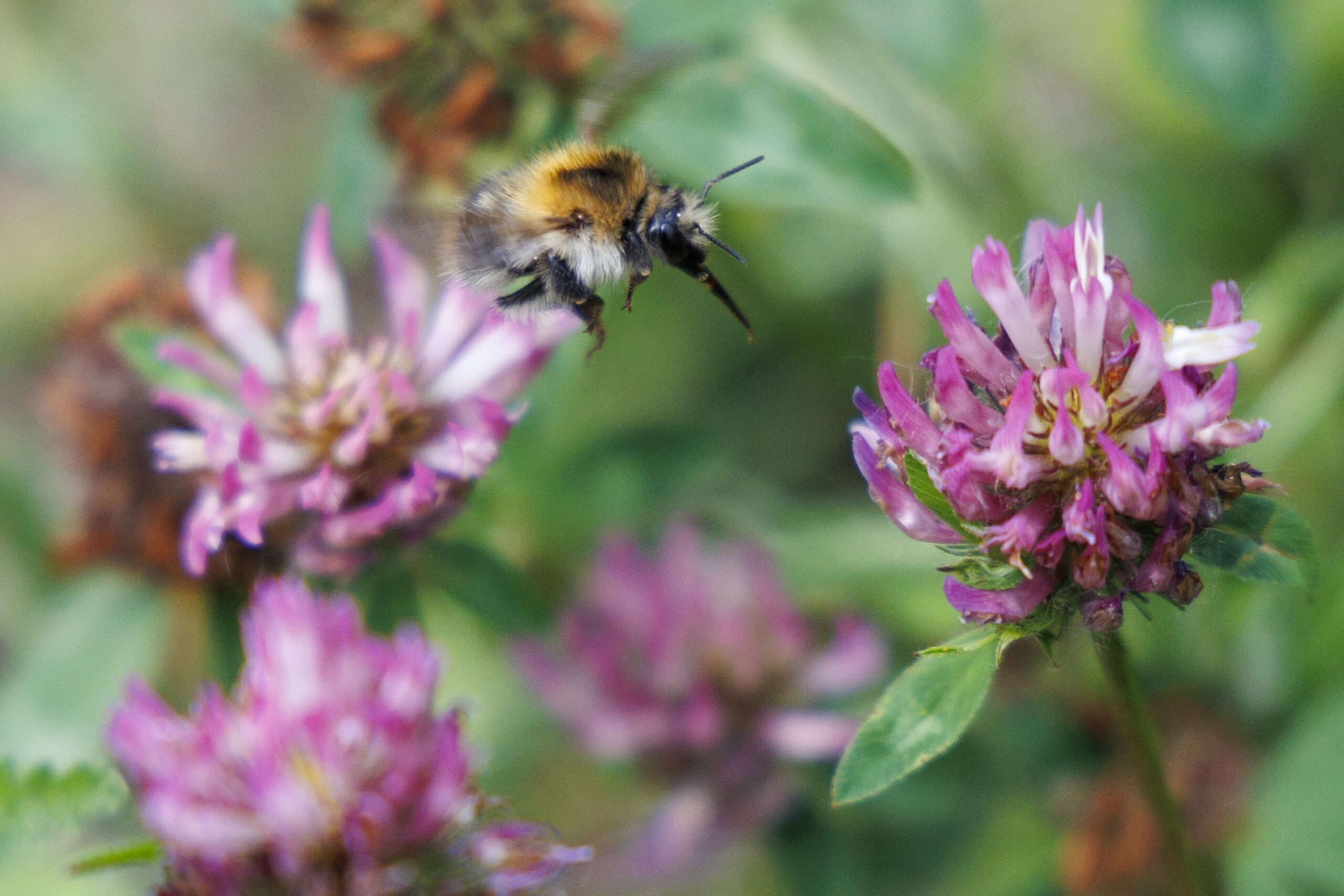
A bumblebee. Credit: Belga/Nicolas Maeterlinck
While D’Haeseleer sees an increasing awareness of the challenges impacting wild bees, he believes more can be done, both in Belgium and beyond. “Everybody can step up [...] These bees don't see borders.”
For the researcher, the “first step” in Belgium is for authorities to protect the threatened species by law. Additionally, members of the general public can also contribute by having gardens with plants that appeal to the most endangered wild bees.
Nonetheless, despite the threatening challenges for wild bees, D’Haeseleer remains hopeful for the future of some of the wild pollinators. “All of these species have a different story [...] it's not just one big sad story,” he said. “There's an opportunity for lots of people to do something good for bees.”
Related News
- Beehives installed at Ixelles Cemetery to boost biodiversity
- Nearly 8,000 Asian hornets spotted in Belgium this year
- Birthing site for rare bats found in Belgium
The study shared earlier this week by Ghent University's Honeybee Valley institute is based on data from the latest survey by the non-profit for the prevention of honey bee loss, COLOSS. A total of 710 beekeepers in Belgium participated in the research.
The Flemish 'Red list' of endangered wild bees was created through a collaboration between Natuurpunt Studie, Aculea, the Research Institute for Nature and Forest (INBO) and the Royal Belgian Institute of Natural Sciences (KBIN).
