
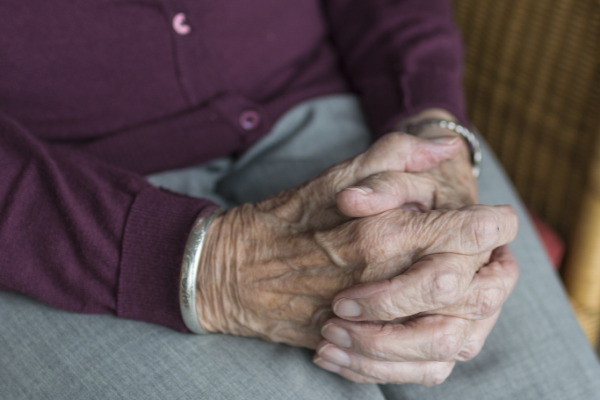
The use of psychotropic drugs like antidepressants remains high in Belgian nursing homes, according to a study by the health insurance provider, Mutualités Libres.
In 2024, just over one in two residents (53.5%) at Belgian nursing homes were prescribed antidepressants, often for chronic use. In the same year, nearly one in three residents received antipsychotics at least once.
While the mental health of the elderly is naturally impacted by aspects related to their age, such as cognitive decline or the loss of loved ones, the use of psychotropic medication appears to be too high.
The study noted that, since 2022, the prevalence of depression and anxiety in Belgium was consistently lowest for those who are 65 years old and over, according to data from the Belgian Health Institute, Sciensano.
“This is paradoxical, as antidepressant use in this age group is significantly higher than in younger groups,” the authors of the study wrote in the report.
Variation between homes
In addition to the “structurally high consumption”, the use of psychotropic drugs varied greatly between the 63 nursing homes analysed.
For the chronic use of antipsychotic drugs, the medication use varied between one in four patients at some homes and one in eight at others. For antidepressants, this varied between 47% to 58%.

Elderly people sitting on a bench on the dike at the Belgian coast in Oostduinkerke. Credit: Belga/Laurie Dieffembacq
Additionally, the report highlighted the differences between elderly individuals living at home and those in nursing homes, based on 2022 data from the health insurance agency AIM.
“Nearly half of residents in care homes (48.7%) take antidepressants, compared with 34.7% of over-65s receiving home care and only 12.4% of over-65s living at home without care,” the researchers wrote.
The use of antipsychotics followed a similar pattern. At nursing homes, 28.1% patients used antipsychotics, compared to 11.5% of the elderly receiving care at home, and 3.5% among those living at home without help.
Medication changes at admission
The study further noted that the point of admission into a care home impacts the use of medication.
“The admission process is a key moment when the general practitioner, the care team and the patient can reflect together on the usefulness of medication,” said Mutualités Libres’ Amandine Prade.
Overall, the use of antipsychotics and antidepressants increased after a person was in a care home.
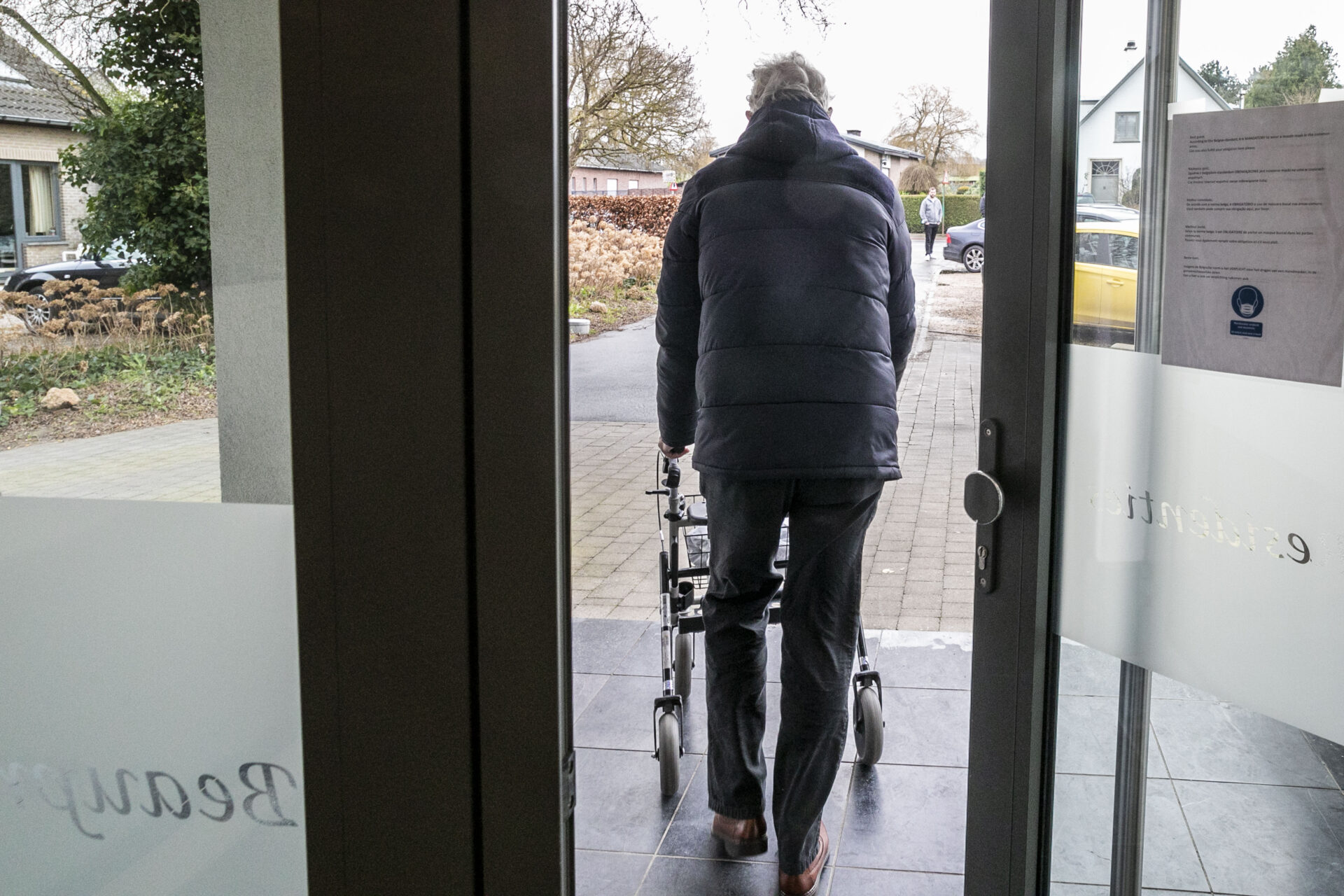
A person exiting a residential care home. Credit: Belga/ Hatim Kaghat
Six months before admission, an average of 27% future residents used antipsychotics, a proportion which rose to 28.2% three to nine months later. Similarly, antidepressant use increased from 43.9% before admission to 47.2% after.
Nonetheless, in some cases, the elderly discontinued the use of these medications after admissions. This applied for around 30% of antipsychotic users and 14.3% of antidepressant users.
Reversing the trend
To tackle the high use of psychotropic drugs, the authors of the study encourage the active inclusion of residents in the daily management of nursing homes. Additionally, they call for the improved training of caretaker teams as well as the development of a policy to better manage the use of psychotropic medication.
While further efforts are needed, Mutualités Libres noted that some care homes have already adopted approaches to strengthen the mental well-being of residents. An example is the person-centred approach within Brussels' first federation of care institutions, GIBBIS.
Credit: Belga
“These models encourage residents to participate actively in daily life and in decisions that affect them. This requires motivated and well-trained staff, as part of these multidisciplinary approaches involving both healthcare professionals and informal carers,"said GIBBIS’ nursing homes and innovative care coordinator, Kelly Mertens.
"By strengthening residents' sense of autonomy and well-being, these approaches help reduce the use of psychotropic drugs,"she added. "This is a major cultural change that we actively support."
The large-scale study published by the Mutualités Libres was based on reimbursement data for 15,000 residents per year between 2017 and 2024.
