
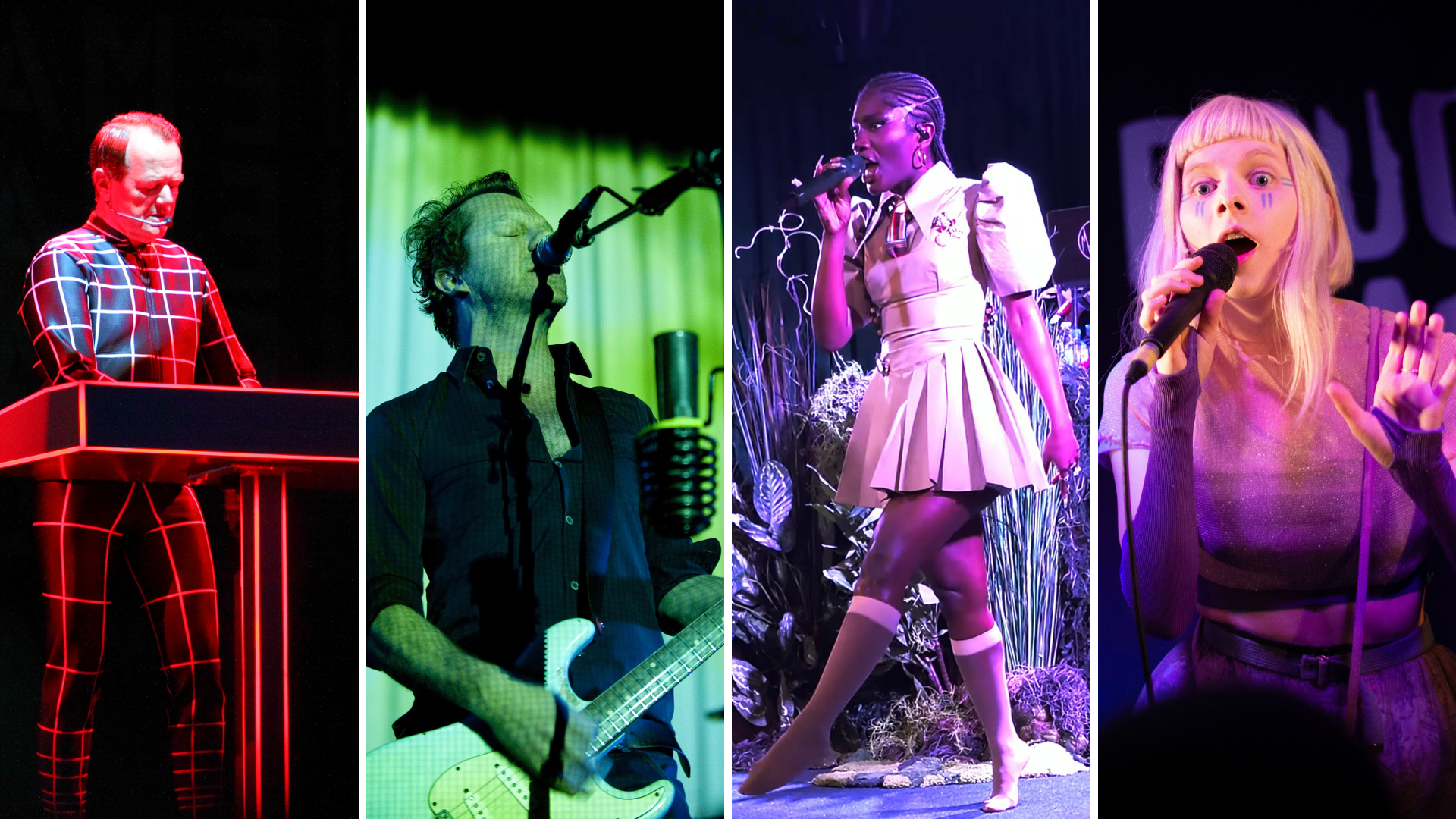
One of the city's great hidden treasures, the Brussels music scene hosts some of the biggest and best up-and-coming artists and bands in the international, European and Belgian scene.
Every month, Europe's capital has no shortage of thrilling concerts – and picking out the best gigs can be tough. This is why we have put together a monthly guide to discover the best live acts in the city, perfect for new and old Brussels folk alike.
Carefully selected by music journalist Simon Taylor, here are The Brussels Times' choices for the concerts and gigs that you and your friends should not miss throughout July.
In July and August in Belgium, there are almost no gigs in the main venues in Brussels or Antwerp. All the action is at festivals.
Apart from Couleur Café, there are hardly any in Brussels itself so we will look at the best artists playing at festivals not too far from the capital.
Best gigs this month:
7 August
Air
Lokerse Feesten
This year is the 50th anniversary of Lokerse Feesten, held in Lokeren in east Flanders, just over an hour away by car or train. The festival runs from 1 to 10 August and on Thursday French electronic music duo Air are headlining. The group, Nicolas Godin and Jean-Benoît Dunckel, achieved international fame with Moon Safari which came out in 1998 and especially the single Sexy Boy with its distinctive video with the cartoon monkey. The album also features Kelly Watch the Stars, another successful single.
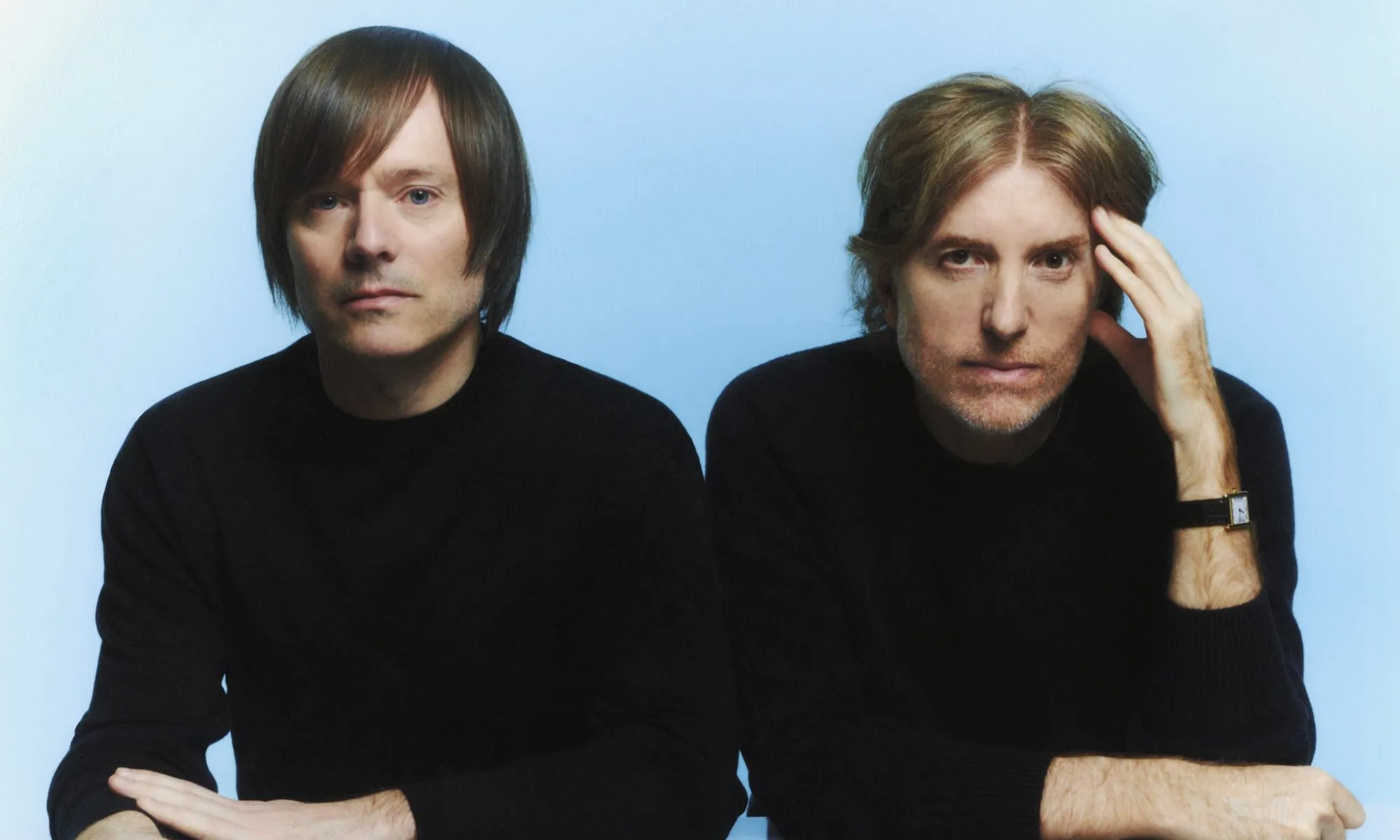
French duo Air. Credit: Mathieu Rainaud
Air will be performing Moon Safari in its entirety in Lokeren. For the younger generation that have yet to discover them, Air’s music is a charming mix of retro electronics (they use mainly vintage analogue synthesisers) and French pop savvy. While French music and artists may have fallen out of fashion and favour with Anglophone audiences, Air and their compatriots Daft Punk remind us that putting two French in charge of a bunch of synths can produce some wonderful music.
14 August
Kraftwerk
Royal Palace Open Air
Yet another electronic music outfit from the past. It is hard to overstate Kraftwerk’s influence on modern music. Without them, there would have been no techno, especially the Detroit variety, and no electro-pop. For me, they are as important a band as The Beatles only in different parts of the pop universe. Starting out as serious Krautrock experimentalists in Düsseldorf in 1970, the four piece were pioneers in using the latest synthesisers to forge an at-the-time unique fusion of German pastoral melodies with futuristic sounds.
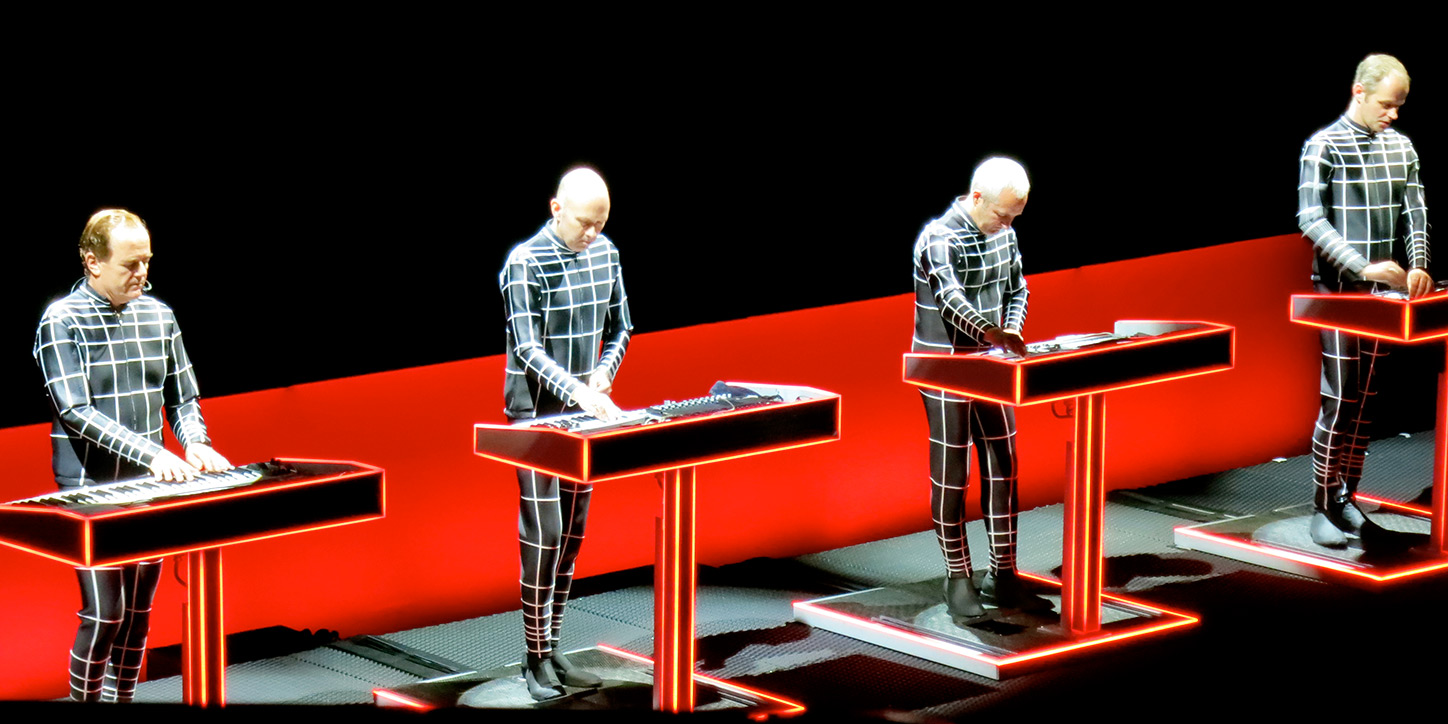
German electronic music pioneers Kraftwerk
The pioneering band achieved international success in 1974 with their 22 minute, 47 second global hit, Autobahn (an edited version) and followed with classic tracks like The Model. Along the way, they laid the groundwork for techno with their Computer Love album and especially the track Numbers. In Brussels, the group (which now includes only one of the original members – Ralf Hütter) will not be performing their legendary 3D set, presumably because it is not possible to present the visuals in an outdoor venue such as the Palais Royal esplanade. If you’ve never seen them but you like electronic music, you should go.
17 August
Doechii
Pukkelpop (set time: Sunday, 20:20)
Mid-August and our attention switches to the Pukkelpop festival in Kiewiet, near Hasselt in eastern Flanders, just over an hour away from Brussels by car. Pukkelpop has a reputation for being full of young Dutch-speaking teens and young adults – Pukkel means spot or zit in Dutch – but they attract some of the best acts on the summer festival circuit. This year they boast the only Belgian gig this year of the latest US rap superstar, Doechii, on Sunday at 20:20.
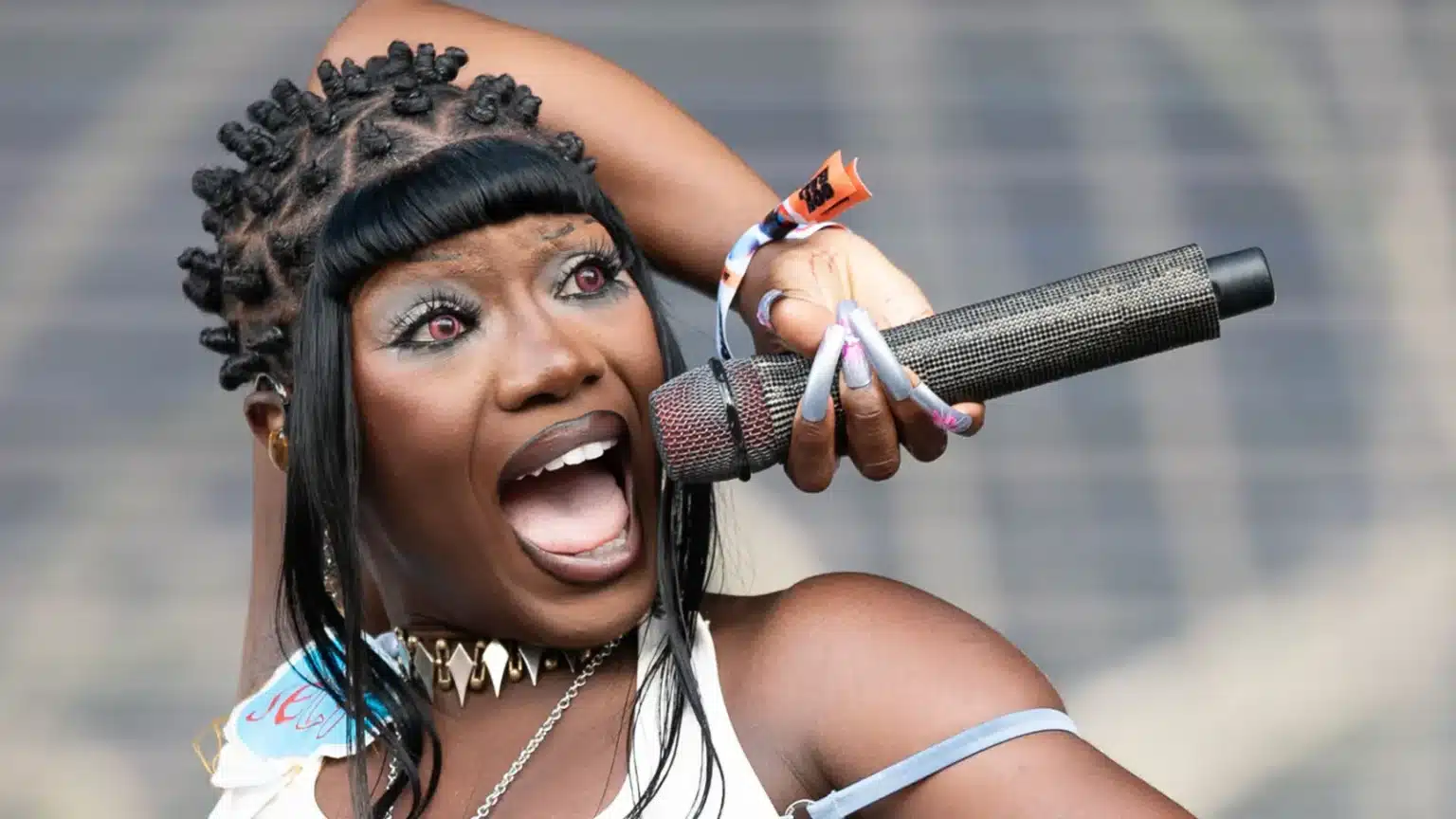
Grammy award-winning US rapper Doechii
The rise of this Florida-born rapper and musician to the top of hip-hop royalty was cemented only last year with the release of her mixtape, Alligator Bites Never Heal, last year. The album won a Grammy for best rap LP, making her the second ever solo rapper after Cardi B, to win that award and launched the singles Denial is a River and Anxiety. The latter (sort of) has a Belgian link as it is based on Belgian-Australian artist’s Gotye’s Somebody That I Used to Know. Doechii is influenced by Lauren Hill and Missy Elliott and her performances, accompanied by backing dancers and singers, are tightly choreographed representations of her songs. Her show should be one of the highlights of the summer (after Little Simz’s magisterial performance at Couleur Café in June).
Loreen
Pukkelpop (set time: Sunday, 13:25)
If like me, mentioning Eurovision has become a turnoff in recent years, then I urge you to overcome your prejudices for Loreen. She is a Swedish singer who is the only female performer to have won the competition twice (to save you looking, Ireland’s Johnny Logan won it twice as a singer and once as a composer). Her 2012 song, Europhoria, for me, the best ever Eurovision winner (yes, better than Waterloo), an intoxicating mix of whirling disco electronics and her vocal acrobatics.
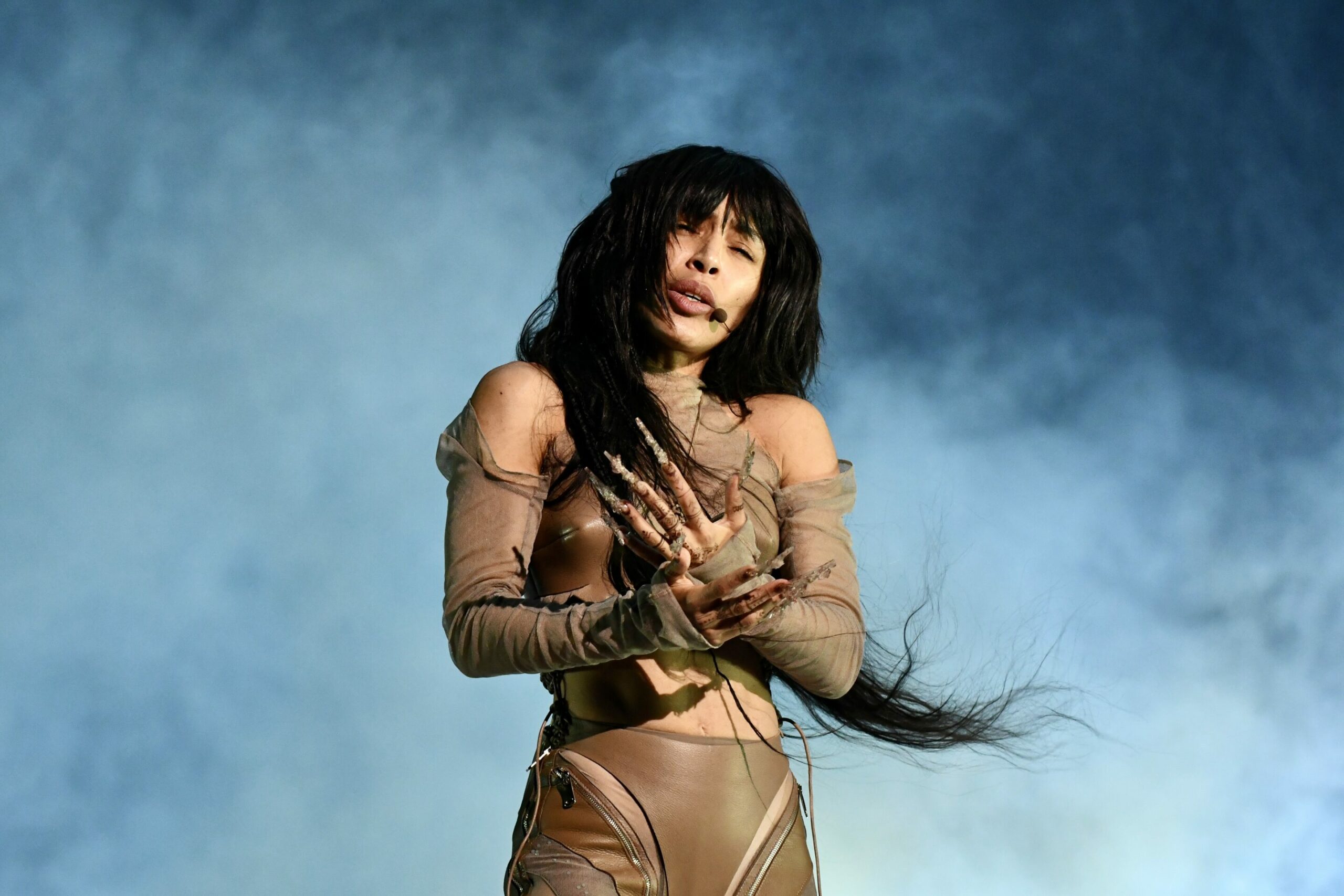
Loreen performing at Melodifestivalen in Malmö, 2023
She won again in 2023 with Tattoo, which, if you listen hard enough, lifts some of the melodies of ABBA’s The Winner Takes It All, speeds them up and gives them a Swedish disco treatment. She has recently recorded with Icelandic post-classical composer Olafur Arnalds as part of a duo called SAGES. Arnald’s mix of strings and ethereal electronics is the perfect foil for Loreen’s vocals. I doubt, however, that she will perform any of those songs at Pukkelpop. More’s the pity.
Aurora
Pukkelpop (set time: 19:15)
Staying up in northern Europe, if you’re going to be at Pukkelpop, I would recommend catching Norway’s Aurora. A singer-songwriter who cultivates her elfin, Björkesque image but has the vocal power and songwriting chops to deliver enthralling live performances.
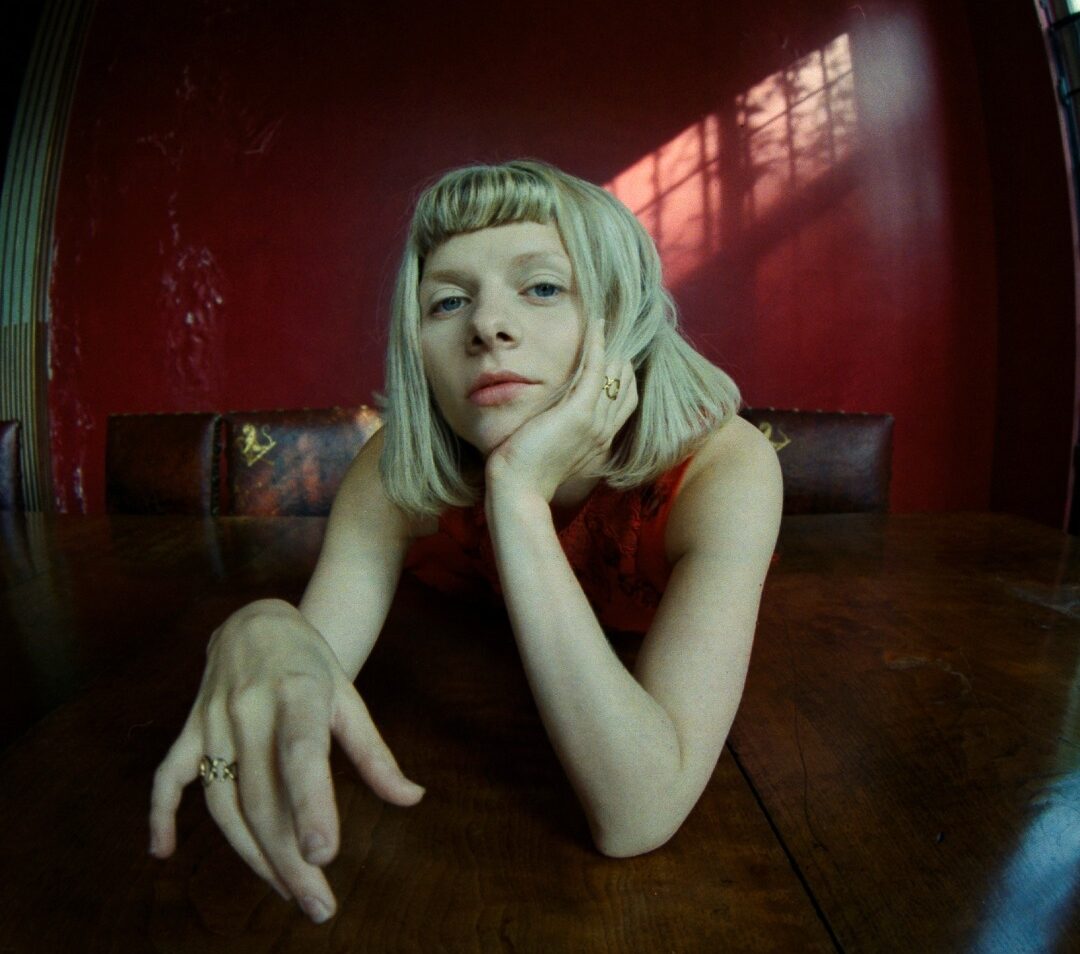
Norwegian singer Aurora
I saw her for the first time at Pukkelpop in 2022 and was blown away by her high-energy show. The Norwegian music scene gets less attention than Sweden’s but it contains some excellent vocalists and songwriters, including Susanne Sundfør, Sigrid and Ane Brun, and electro outfit Röyskopp.
22 August
Deus
Les Solidarités, Namur
Despite this being its 13th edition, this is a new festival for me. Deus are almost certainly the best known and arguably the best Belgian band. Some might prefer the powerhouse dance beats of the DJ duo Soulwax but for indie rock, it doesn’t get much better than the group founded in Antwerp in 1991 by Tom Barman. Deus broke out in 1994 with the release of Worst Case Scenario and its single, Soap and Suds.
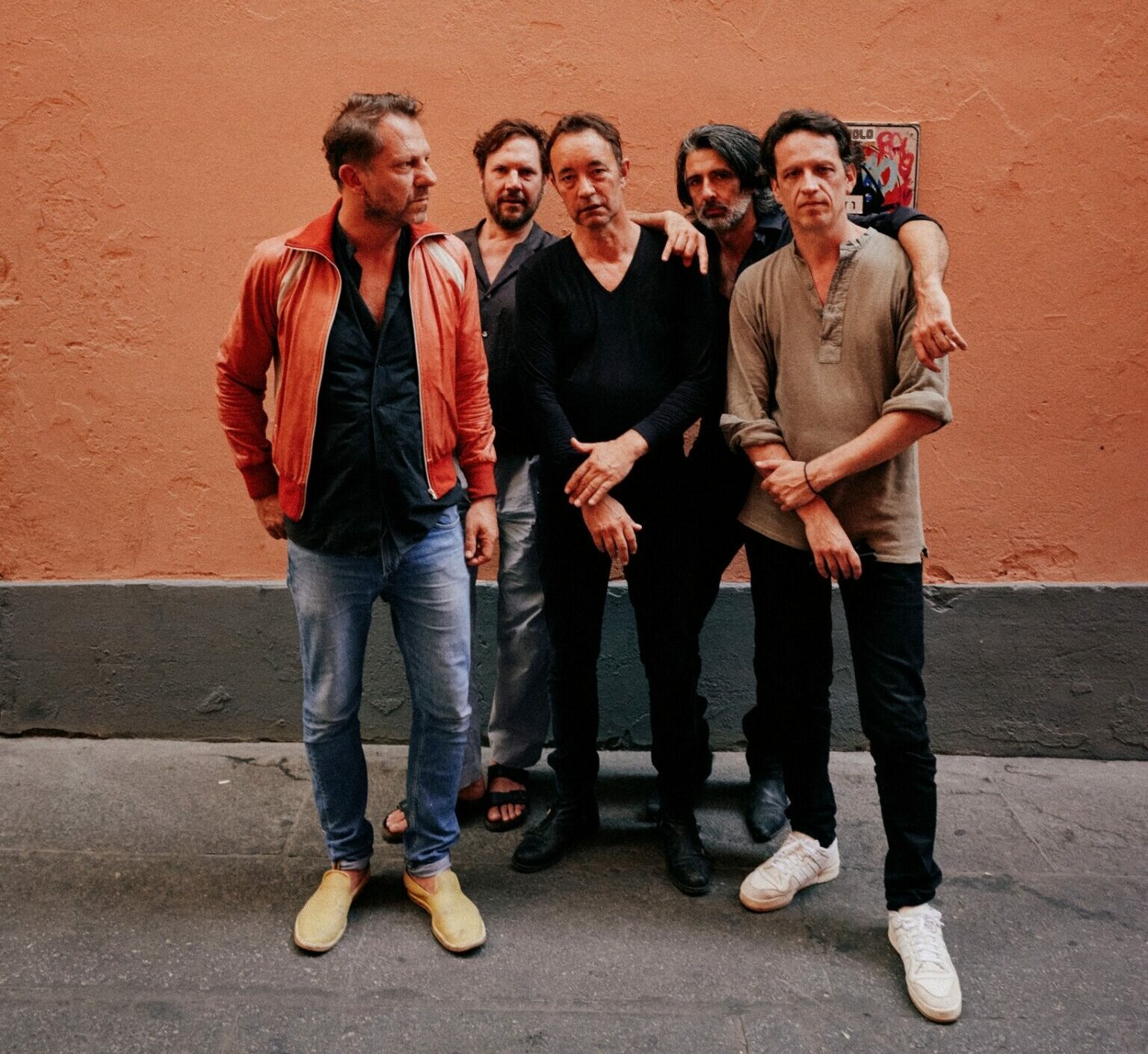
Belgian indie rock legends Deus
Deus are a similar band to Radiohead: capable of writing great pop songs with hooks and killer riffs but also able to channel their technical musical proficiency into complex compositions. I always preferred their 1999 album, The Ideal Crash, which, for me, bears comparison to Radiohead’s OK Computer. In Namur, they will be playing Worst Case Scenario in full.
26 August
Øxn
Feeërieën, Royal Park
Late August brings us back to Brussels and one of the best things about the city in late summer: the free Feeërieën festival in the Royal Park. Every year the totally switched-on bookers at Ancienne Belgique handpick the best of upcoming artists for a wonderful showcase in the open air. It’s such a tonic when the benefits of the summer holidays are wearing off and the pre-rentrée blues start to loom.
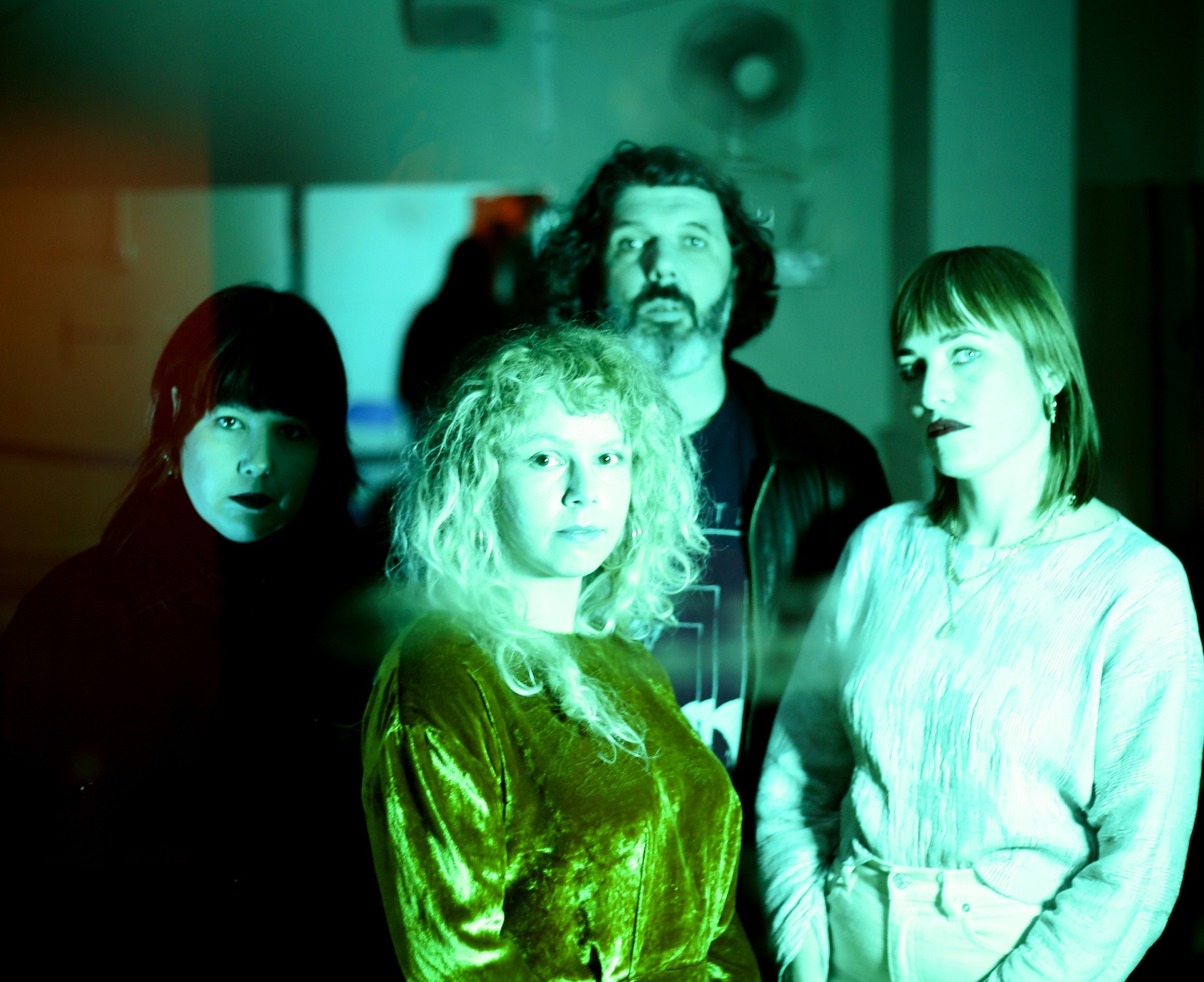
Irish folk group Øxn
This year, one of the highlights is Irish doom-folk supergroup Øxn, which features one member of Lankum, singer and multi-instrumentalist Radie Peet, and their producer, John “Spud” Murphy. Øxn’s music is about as far from a summery vibe as you can get, with Lankum’s familiar fondness for drones and dark topics but with a stronger electronic colour.
28 August
Fulu Miziki
Feeërieën
The highlight of this year’s festival looks like this wonderful outfit from the Democratic Republic of Congo who dress like extras from an African sci-fi movie and play a form of distorted rumba.
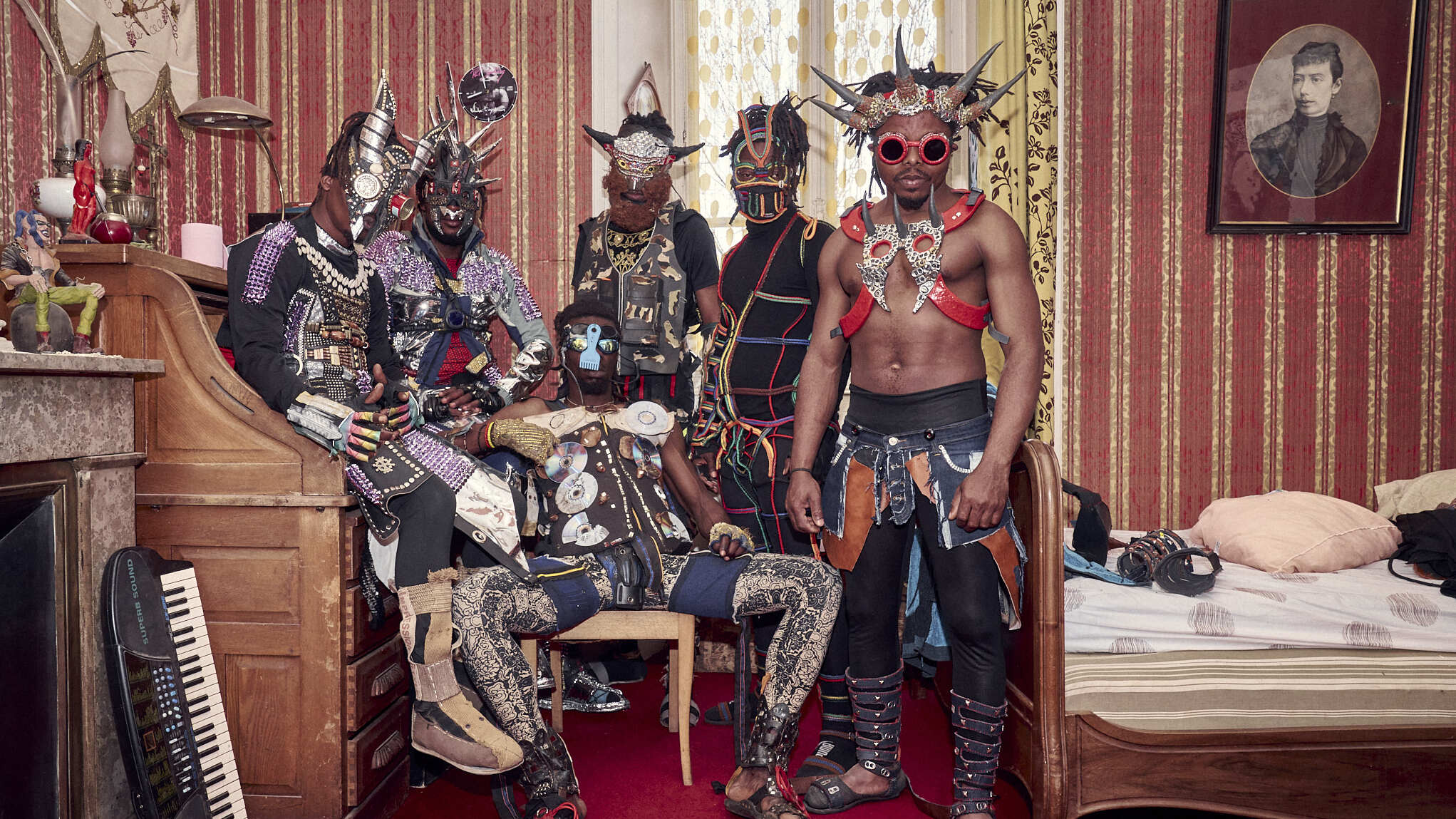
Congolese band Fulu Miziki
The tracks on their Mokano EP, released last year, are built on the group’s scratchy, slightly dissonant guitar, rather than the flowing melodic lines you usually here on Congolese soukous records. The effect is that Fulu Miziki’s music sounds more like Captain Beefheart and white British indie-funk bands like Gang of Four than a group from central Africa.
