
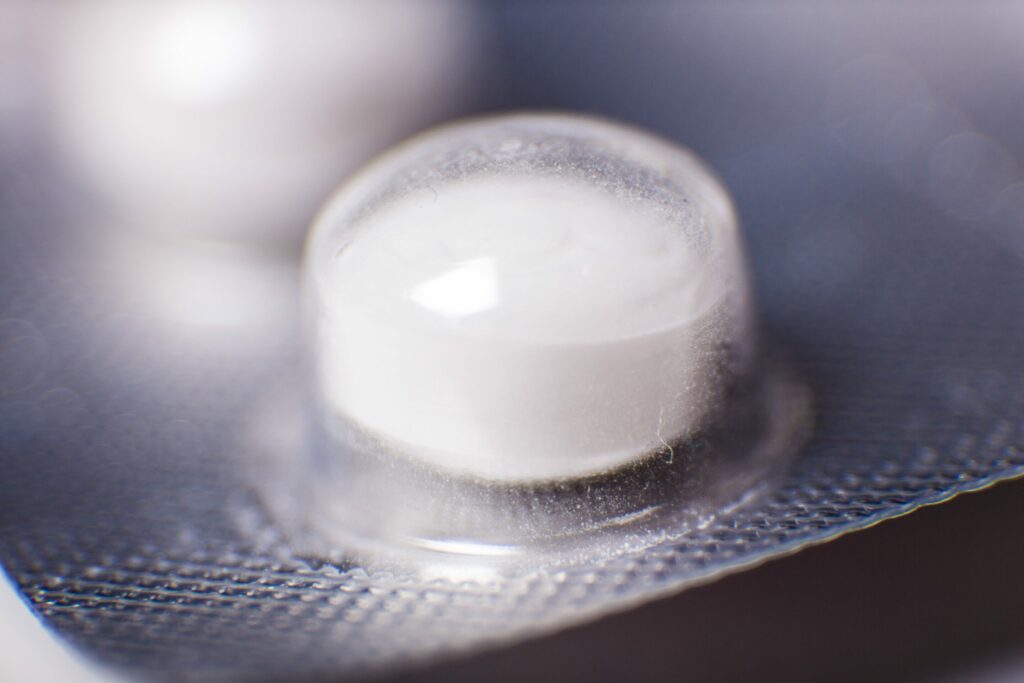
A new drug, which does not use artificial hormones or affect testosterone production, had successfully undergone the first test on human volunteers.
While previous attempts have been made to develop a male contraceptive in the past, these have largely failed to pass clinical trials due to their side effects.
YCT-529 has just passed its first human safety trial; it's early days, mind you. Only 16 male volunteers participated, each taking the drug twice at increasing doses, either 10mg to 30mg or 90mg to 180mg.
Some men took placebo pills for comparison.
The new method utilises a specially designed chemical (YCT-529) to target a specific cell receptor in the testes, known as retinoic acid receptor-alpha.
Similar compounds were used in the past and had been shown to reduce sperm production in humans. But they've demonstrated unwanted side effects such as feeling sick when drinking alcohol, altering salt levels in the bloodstream, and not being fully reversible in all men.
When tested on mice, YCT-529 was shown to produce fully reversible, temporary infertility without any significant side effects.
Another study also found that mice that went on to father babies after stopping the drug produced normal, healthy offspring.
Failed contraceptive methods
There are currently no commercially available contraceptive methods for men that are not only safe and effective at preventing pregnancy, but also allow sperm production to be turned off and on again at will.
Condoms have few side effects and are used at will, but they have a relatively high failure rate.
A vasectomy, which severs the tube connecting the sperm-producing testes to the rest of the male reproductive organs, is very effective and safe. Still, it's not easily reversible and requires a minor (painful) operation.
If the pill does make it, the real test might be whether men will take it.
Until now, the contraceptive load has mainly sat squarely on women’s shoulders. A safe pill for men could finally start to shift that balance.
