
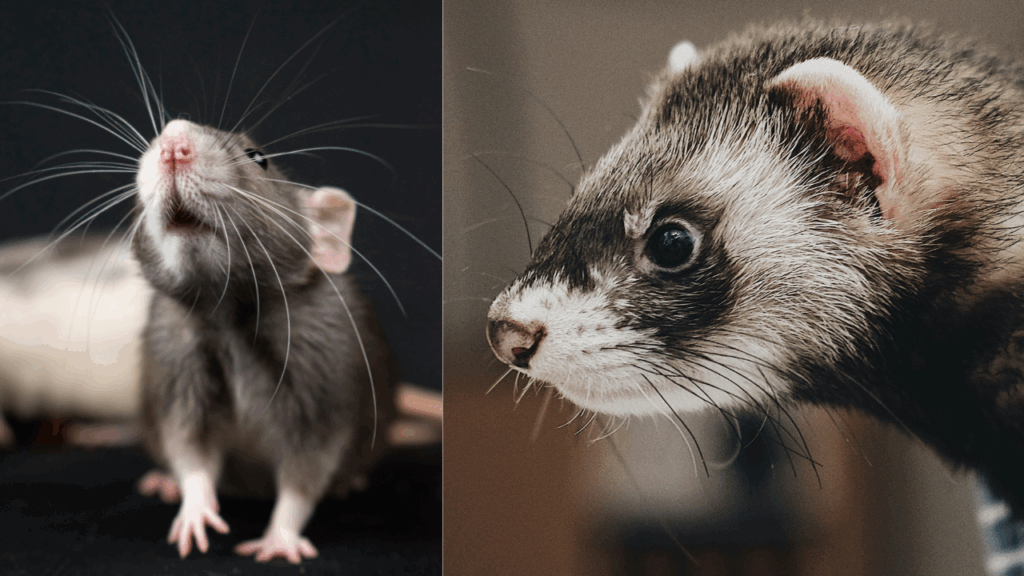
Brussels city is set to deploy an unusually furry ally in its fight against the city's growing rat population: the ferret.
The idea, floated in the municipality's newly established "rat task force" earlier this year, comes from the testimony of local social housing companies, including the Foyer Laekenois and Logement Bruxellois, which already use the animals to flush out rodents from hidden burrows.
"It's still only an idea for now," said Andreas De Kerpel, spokesperson for Anas Ben Abdelmoumen, the city councillor in charge of public cleanliness, to The Brussels Times.
"We are examining the proposal and will bring it to the 2026 budget negotiations. But what we've heard is that it's a great success in the places it's already being used."
Ferrets are natural predators of rats and can slink into tight spaces to chase the rodents into traps. In practice, the city could not simply buy the animals; instead, it would hire a professional "rat catcher" trained in handling ferrets safely and effectively.
Until then, Brussels’ rodent control will continue to rely on more conventional tools. This year, the city’s rat control budget rose by 20% to €65,000, allowing the purchase of seven clever traps to complement existing conventional traps.
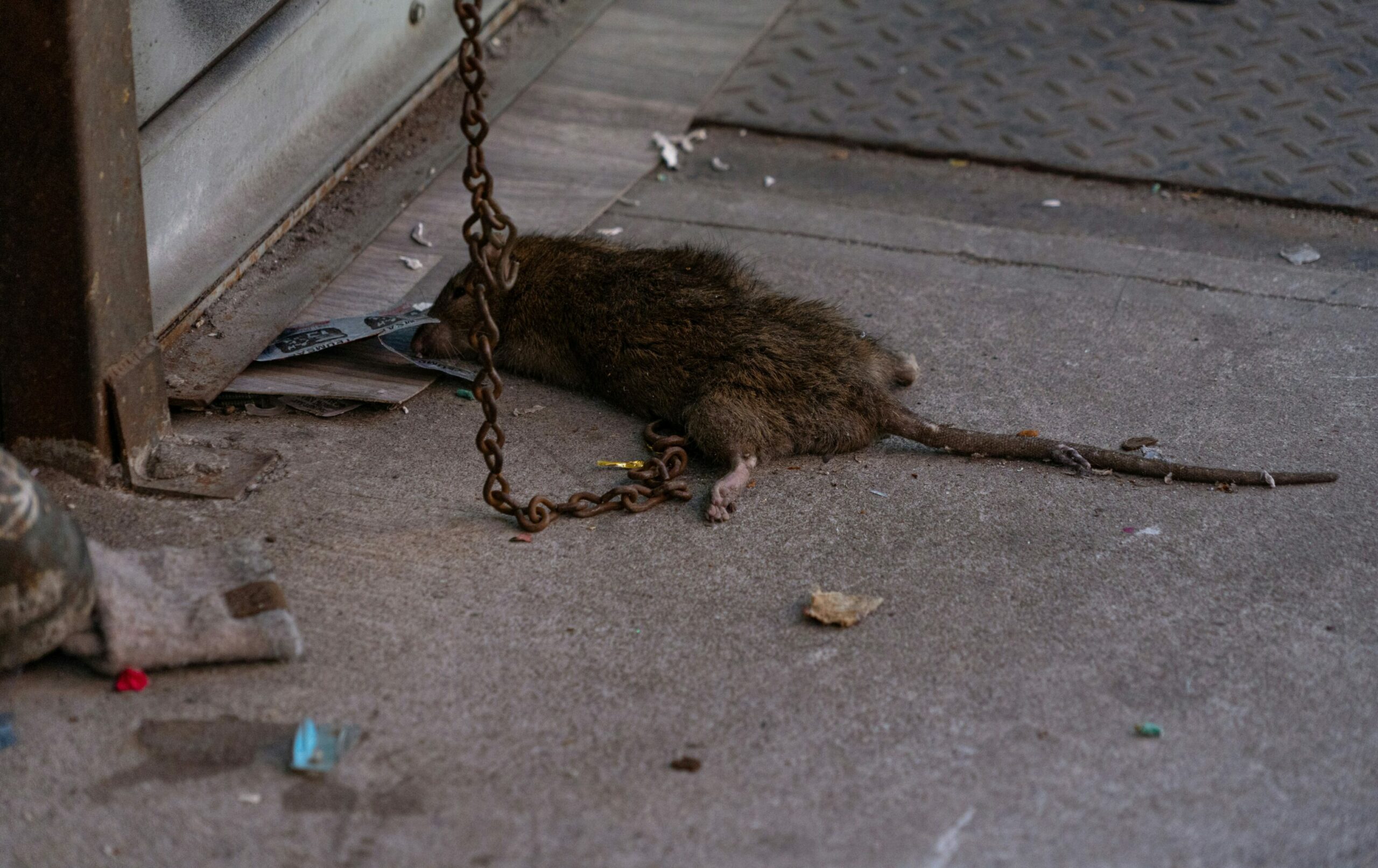
The city estimates that the Brussels-Capital Region may have as many as two million rats. Credit: Unsplash
A clever trap, De Kerpel explained, lures rats inside with food before submerging them in a liquid in which they die "without pain".
The device sends an instant notification to the city via an app, enabling rapid collection of the carcass. It also logs where and how many rats have been caught, helping officials identify hotspots and adapt strategy neighbourhood by neighbourhood.
Since January 2025, Brussels' eight-person extermination team has conducted about 787 rat control operations, in both public spaces and private homes (a free service for residents of the Brussels municipality): 51% of the operations happened in Laeken, 16% in Pentagon, 13% in Neder-Over-Heembeek, 10% in Brussels-North, 5% in Haren, 3% in Ambiorix, 1% in Louise and 1% in the European quarter, according to De Kerpel.
The team also tackles other "nuisibles" (pests) such as mice and cockroaches. It engages in prevention, advising households to seal entry holes, store rubbish in closed containers and avoid leaving food scraps.
Rats are most often found near restaurants, in parks where litter attracts them, or around abandoned buildings. "Anywhere there’s food and shelter, you’ll find them," De Kerpel said.
To examine how ferret-based control works in an urban environment, the spokesperson pointed to the municipality of Etterbeek. This neighbouring municipality has used ferrets for years, and the housing companies are already deploying them.
In these cases, a trained handler releases a ferret into rat-infested areas to flush rodents from their hiding places, making them easier to trap.
The city estimates that the Brussels-Capital Region may have as many as two million rats. "Until late 2024, the Brussels municipality didn’t have a real rat control policy," De Kerpel said.
"With the current council, we created one for the first time: a task force bringing together all public stakeholders, a major public call to use our free extermination service, and now these smart traps. The ferrets could be the next step, but first, we need the budget," he concluded.
