
Figures from Eurostat show that, compared to other 'major socio-economic' regions, Brussels has the second highest homicide rate in the EU after Latvia.
For every 100,000 inhabitants, the "intentional homicide" rate in 2023 was 3.19 in Brussels. In Latvia, which is classified as a comparable region for statistical purposes, it is 4.2.
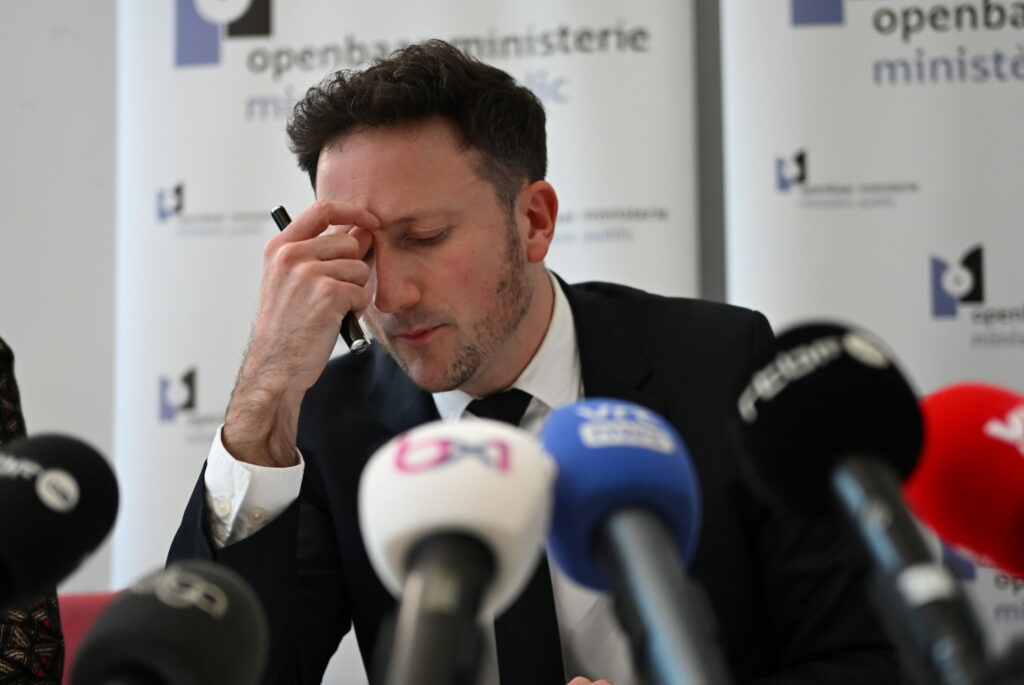
The figures come as Brussels Public Prosecutor Julien Moinil spoke of an "alarming trend" last week, with the city headed for a record year for gun violence alone in 2025.
Intentional homicide is defined by Eurostat as "killing a human being willfully and illegally". Murder forms part of the definition, which also includes deadly assault, assassination, terrorism, femicide, infanticide, voluntary manslaughter, extrajudicial killings, and illegal killing by police or military.
Comparing countries, Belgium as a whole had 1.38 intentional homicides per 100,000 in 2023, the third highest homicide rate in the EU after Latvia (4.2) and Lithuania (2.41).
Looking beyond the EU to other countries in Europe for which Eurostat collects data, Turkish regions stand out for their high homicide rate. Other standout areas from the 2023 data (the most recent year available) include parts of France like Corsica and the region around Marseille.
Within Belgium, Wallonia's rate in 2023 was 1.84 per 100,000. This made Wallonia the 'major socio-economic' or NUTS1 region with the 6th highest homicide rate in the EU. Flanders had a rate of 0.80 per 100,000 in the same year.
Looking at Belgian provinces, Brussels has a homicide rate of 3.19, followed by Liège with 2.32.
In Brussels, plans to merge police zones are seen as an attempt to deal with the less than effective policing in the city. Those in favour argue that one centralised police force would put an end to fragmentation and improve security cooperation. However, mayors across Brussels argue the issue is underfunding, not structures.
Meanwhile, Brussels has now hit 435 days without a government following last year's election.
The Brussels Times contacted the public prosecutor's office for a comment after this article was published, however, as the data relates to 2023 (the most recent figures available), they declined to comment.
Related News
- Brussels police zones: Where they come from and what they can do for you
- 'Should innocent civilians die first?' Brussels Prosecutor's cry for help met with silence
- One year without a Brussels Government: Timeline and explainer of political disarray
- A woman was killed every 10 minutes in 2024 – UN warns femicide rates show no real progress
