
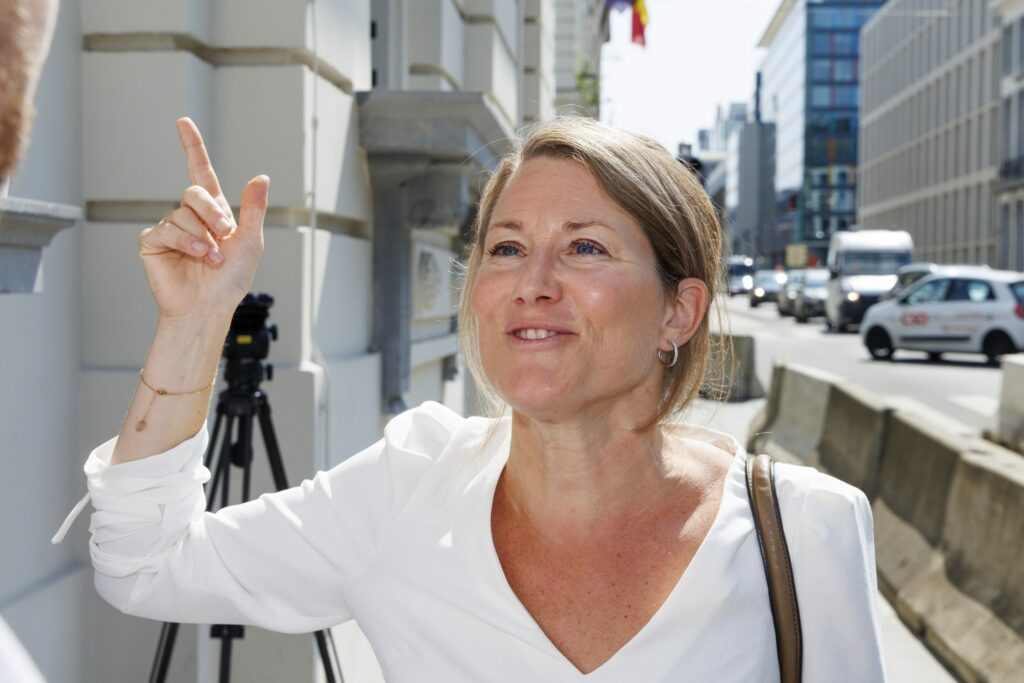
Belgium’s stricter conditions for family reunification took effect this week, as the Federal Government plans to take a tougher approach against migrants and asylum seekers to the European stage.
With the new rules having been agreed on as part of the government's so-called Easter Agreement, Migration Minister Anneleen Van Bossuyt (N-VA) has argued that the changes are necessary to reduce pressure on social services.
"Our rules were far too lax, making Belgium a magnet for migrants and asylum seekers," she said. "With these measures we are stopping that pull-factor."
Under the new rules, the minimum income required to sponsor family members will be raised.
Applicants must now prove earnings of around €2,300 a month, which amounts to at least 110% of the guaranteed minimum wage, as well as another 10% for each additional dependent. Previously, it was €2,089 net per month – 120% of Belgium's minimum wage.
"Anyone who wants to bring their family here must be financially capable of supporting them. This can no longer come at the cost of our society," Van Bossuyt stated.
The minimum age to apply for reunification with a partner has also risen from 18 to 21, which N-VA claims is aimed at preventing forced and child marriages. "A marriage must never be a tool to obtain residence rights," the migration minister added.
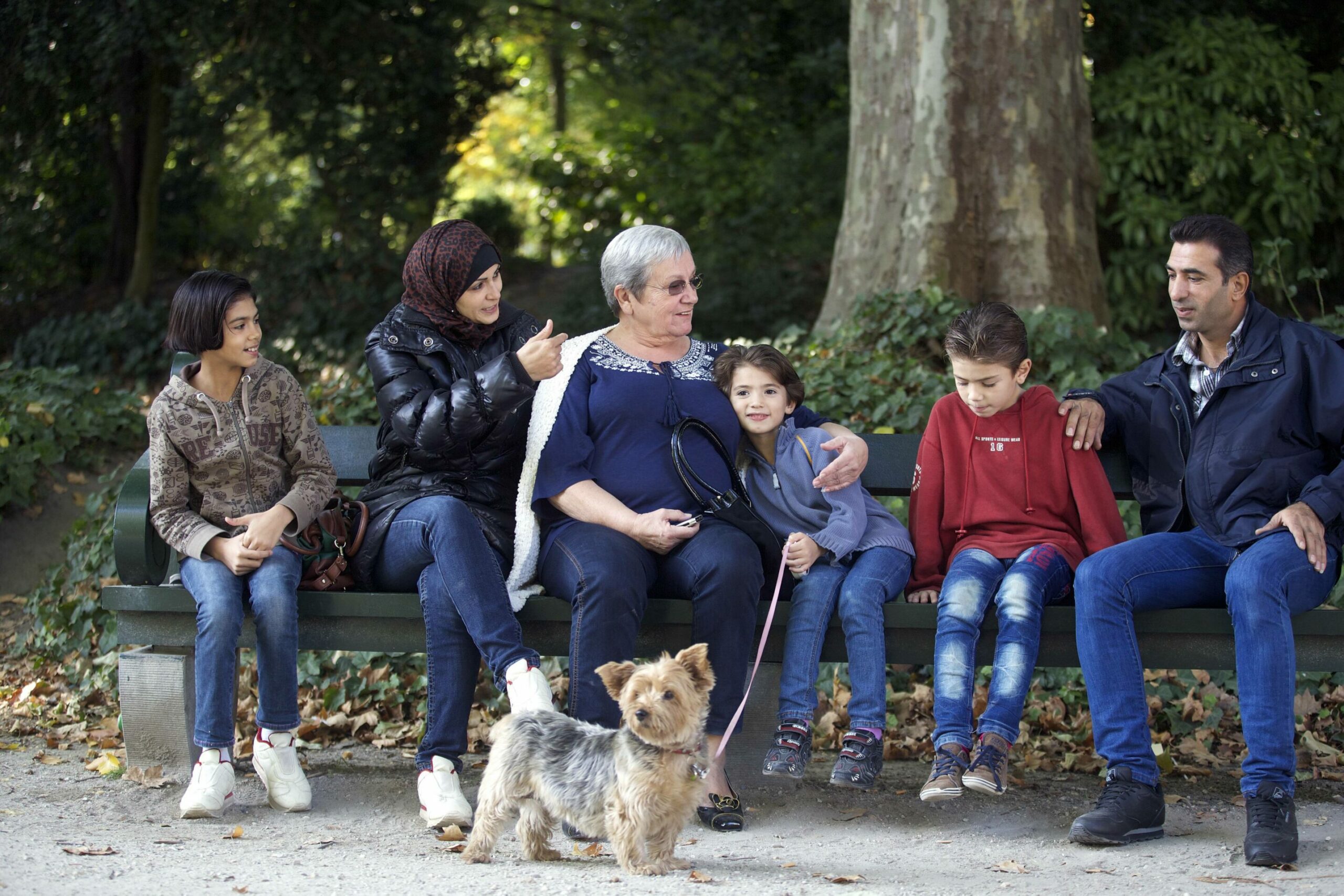
Illustration image of a family in Brussels. Credit: Belga/ Nicolas Maeterlinck
With the changes looming, July was recorded as the month with the second highest number of asylum applications of the year.
Of the 2,492 applications processed by the competent services in July, approximately a quarter (597) were approved. Most asylum seekers came from Palestine, Afghanistan and Eritrea. Nevertheless, the numbers appear to be slightly lower than last year.
'People adapt'
The new measures, particularly the additional 10% for an extra dependent, have been criticised by the Belgian Council of State for differential treatment. Experts, too, have cast doubt on whether the measure is effective for both managing migration and integration.
"Tightening the rules could, in the short term, change the profile of people using this route and reduce the number of entries," Alberto-Horst Neidhardt, Senior Policy Analyst and the Head of European Migration programme at the Brussels-based European Policy Centre (EPC), told The Brussels Times on Wednesday.
When other European countries have tightened eligibility conditions in the past, the number of family permits has fallen, he added.
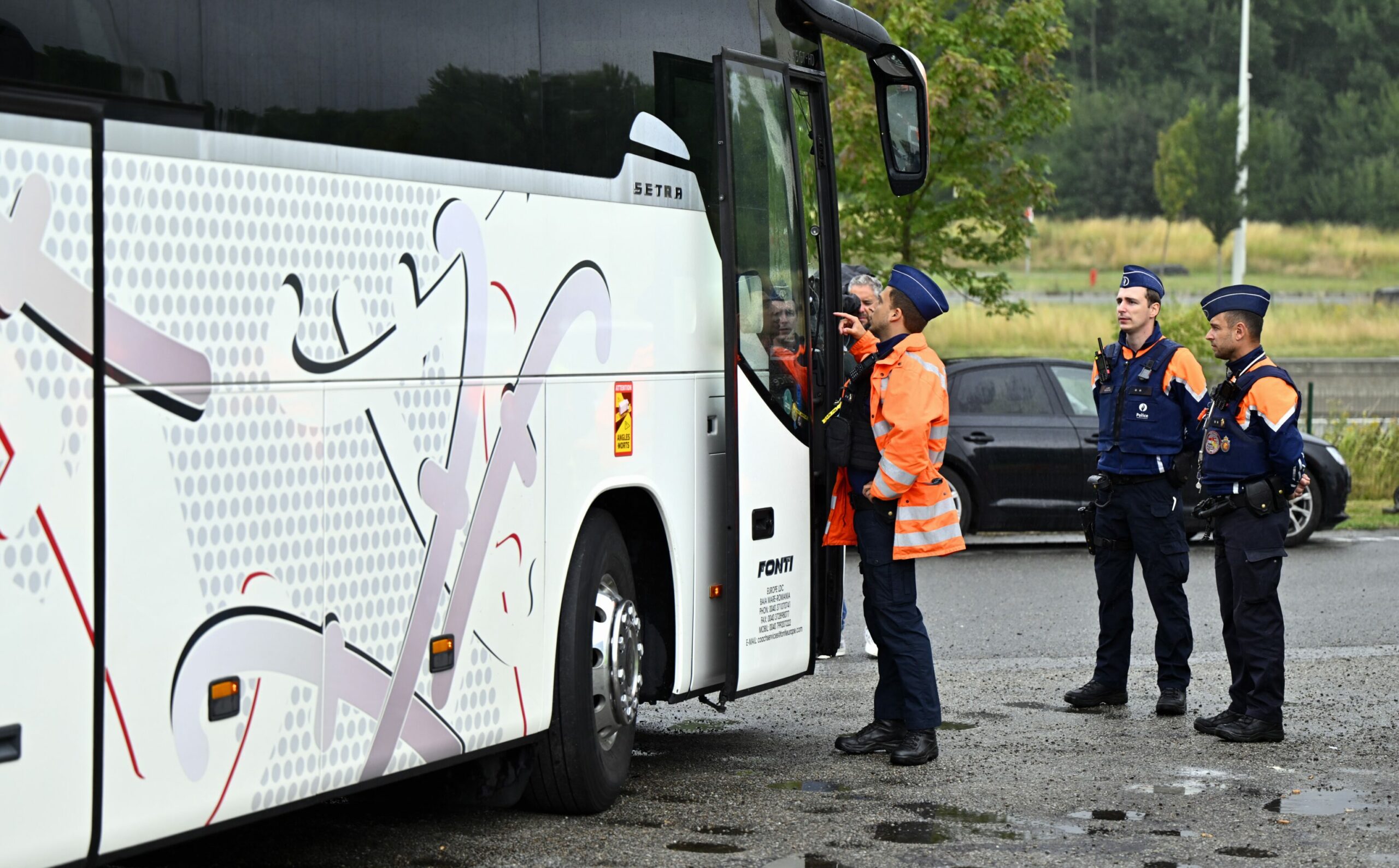
Police officers check a bus during a police action against irregular migration and organised crime, on Monday 07 July 2025 in Mons. Credit: Belga
"However, people adapt. When one pathway is restricted, flows partly reappear via other entry channels, for example study or work," Neidhardt continued. "Some may instead wait to be naturalised, or consider moving temporarily to a country with looser rules."
With almost 60,000 residence permits granted on this basis in 2024, family reunification remains Belgium’s largest legal migration route, according to a statement by N-VA. This figure includes those who were granted a family reunification visa through an EU citizen.
The number of non-EU citizens who obtained visas to come to Belgium via family reunification last year was 20,740, according to the Immigration Department (DVZ). Families of refugees given protection in Belgium made up the largest share of requests.
Reception crisis?
Indeed, for refugees with temporary protection status, the rules have also become much stricter.
Family formation is no longer allowed, while reunification will only be possible after a two-year wait and on condition of adequate income, housing and health insurance.
The grace period for recognised refugees to apply for family reunification has also been reduced to six months (down from one year). It will be removed entirely for beneficiaries of subsidiary protection, i.e. individuals who do not qualify for refugee status but still face a real risk of serious harm in their origin country.
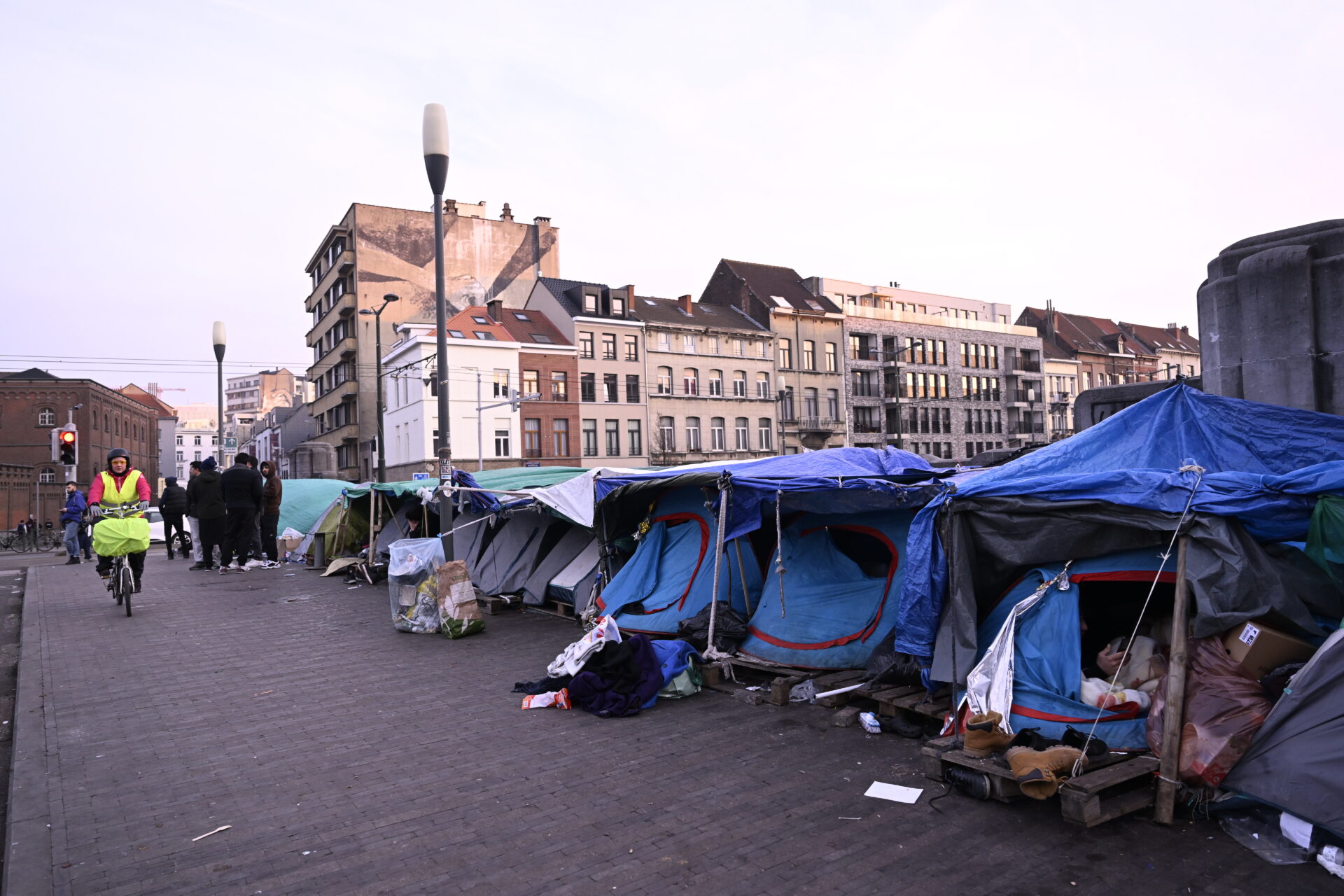
Belgium's reception crisis has resulted in thousands of asylum seekers being left in the cold. Credit: Belga / Laurie Dieffembacq
The new measures come in the context of Belgium's ongoing reception crisis and its repeated failure of providing adequate reception facilities. As of July 2025, the Belgian state has been convicted by the Brussels Labour Court over 12,000 times for failing to provide accommodation to asylum seekers.
Moreover, the De Wever government plans to cut Belgium's federal budget for asylum reception by an eye-watering 85% within five years.
Whether the new measures can help tackle the reception crisis, European migration policy expert Neidhardt believes they will only "marginally" solve the problem – "if at all", as reception bottlenecks are mainly driven by asylum applicants needing state-provided accommodation.
"In this sense, the crisis in the reception system is largely self-inflicted, caused by underinvestment in reception capacity, irregular movements within the Schengen area, multiple asylum applications, and bottlenecks in the processing of asylum claims, which prolong dependence on state resources," Neidhardt explained.
Neidhardt is also concerned these tough measures could worsen the crisis in the long term. When legal family routes close or stall, some may try other channels, including applying for asylum or moving irregularly within the Schengen area, which adds to pressure on reception capacity.
'Greater marginalisation'
More broadly, this could negatively affect integration patterns for those who have already moved to Belgium, whether following an asylum process, through work, or via other routes.
"There is ample evidence that, if supported with adequate policies, family reunification can lead to stronger socio-economic integration," Neidhardt stated. "Family members who are left alone may instead have fewer incentives to settle, earn higher incomes, or invest in the host country."
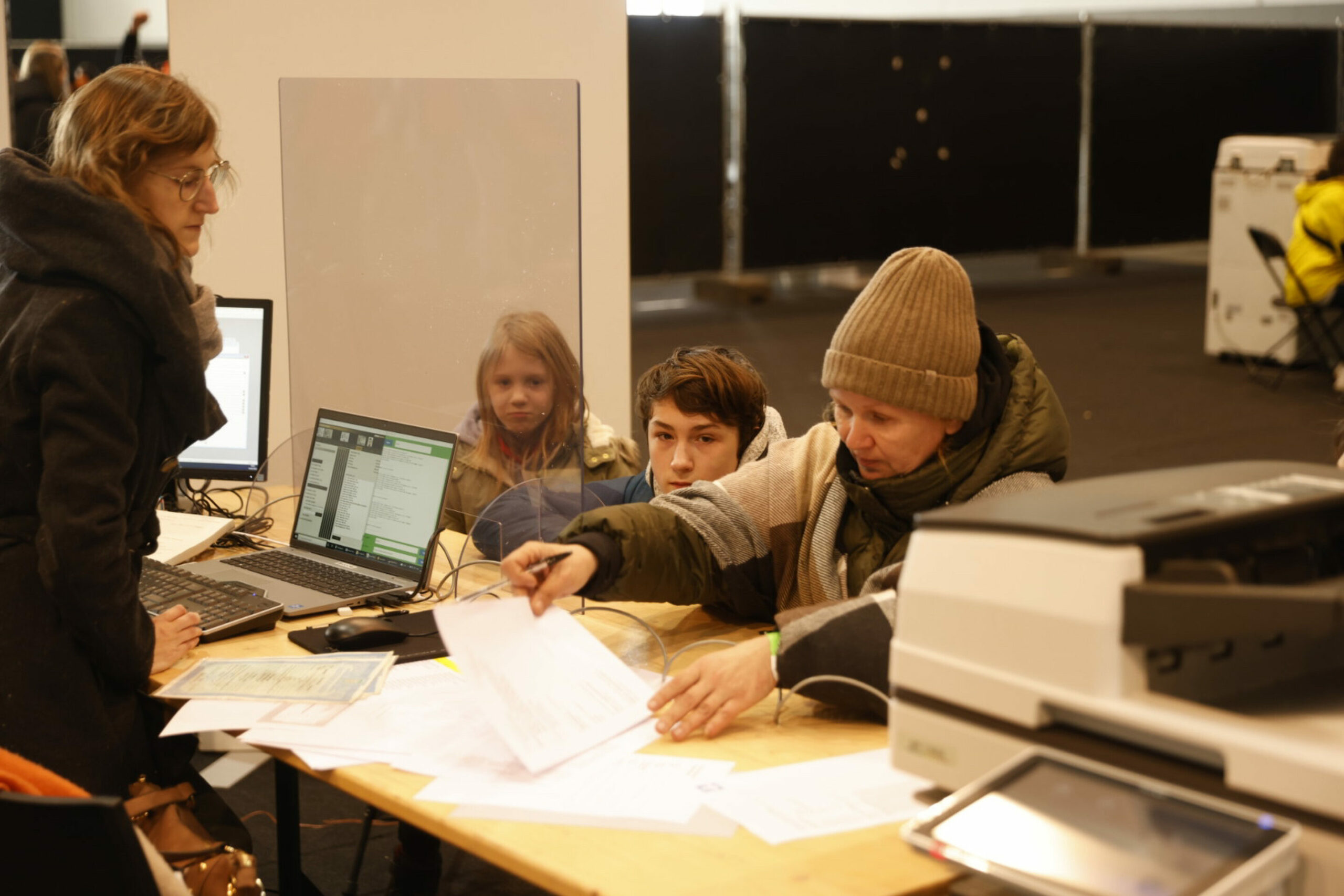
Ukrainian refugees registering at the opening of a refugee centre in Brussels after the start of the war in 2022. Credit: Belga/ James Arthur Gekiere
Moreover, the prolonged separation also worsens mental health, with knock-on effects such as slower language learning and weaker labour-market entry. "This measure could thus, paradoxically, lead to greater marginalisation," he underlined.
EU gets tough on migration
On the European stage, Belgian Prime Minister Bart De Wever has also been pushing a harder line on migration. This is in part to fend off the domestic threat of far-right party Vlaams Belang, who finished second in the federal elections in Flanders in June 2024.
De Wever signed a letter calling for a review of the European Convention of Human Rights, claiming it hindered a country's ability to manage irregular migration.
Belgium's migration minister has called on the EU to use trade and visa incentives to pressure countries that refuse to take back rejected asylum seekers in an interview with The Financial Times. "Don't come to Europe just because you are looking for a better future," Van Bossuyt said.
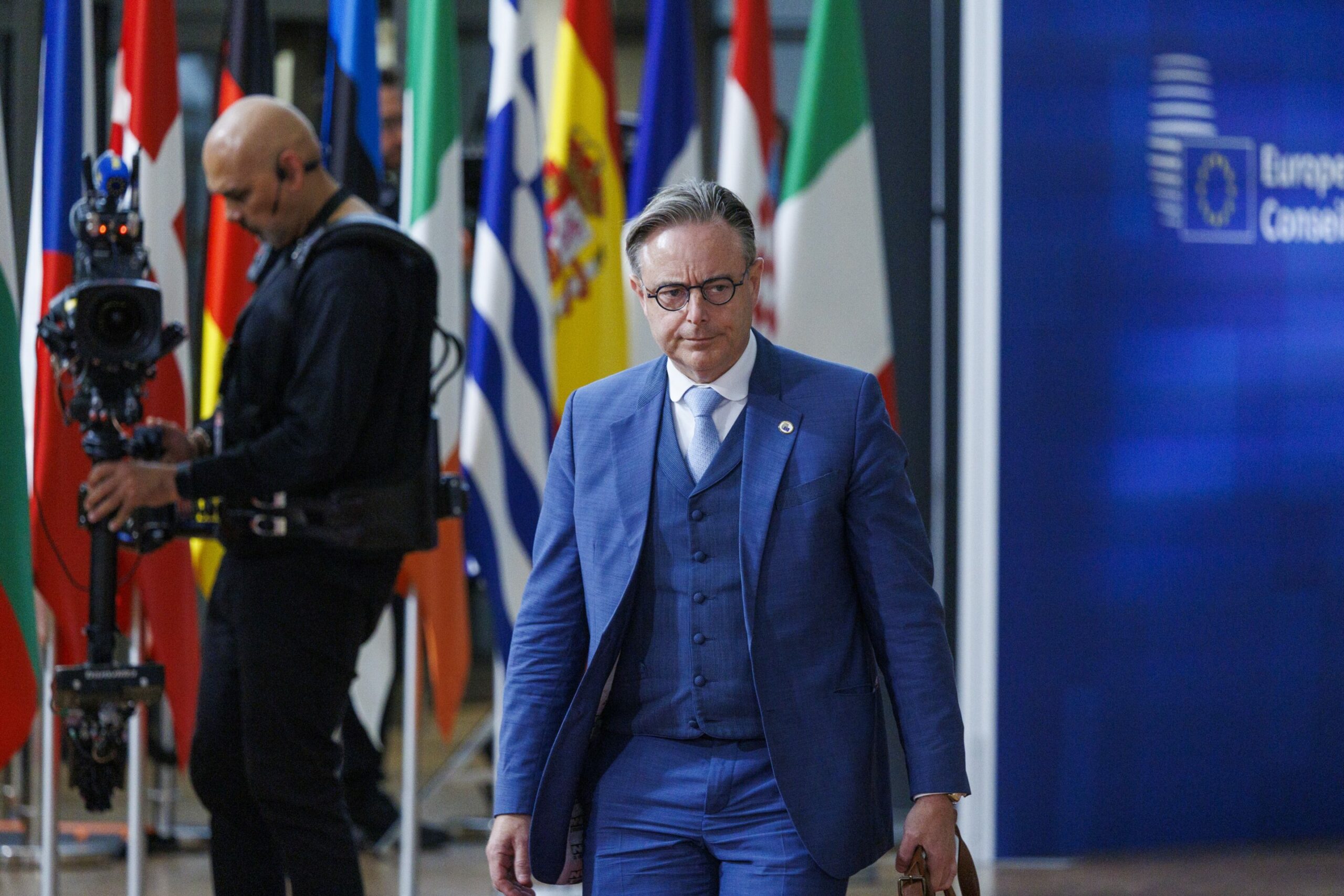
Belgian Prime Minister Bart De Wever arrives for pictured at the arrivals ahead of an European council summit (26-27/06), in Brussels, Thursday 26 June 2025. Credit: Belga / Nicolas Maeterlinck
The implementation of the newly-adopted EU asylum and migration rules, as well as the negotiations on new EU rules governing deportations, will be followed closely by the new Federal Government.
"Belgium is watching with a mix of expectation and concern on these topics, which could affect how it manages irregular arrivals and asylum applications," Neidhardt explained.
"In both instances, Belgium is expected to take a tough stance. It remains to be seen whether the government will advocate tougher policies in partnership with other European countries, or pursue its own self-interest."
