
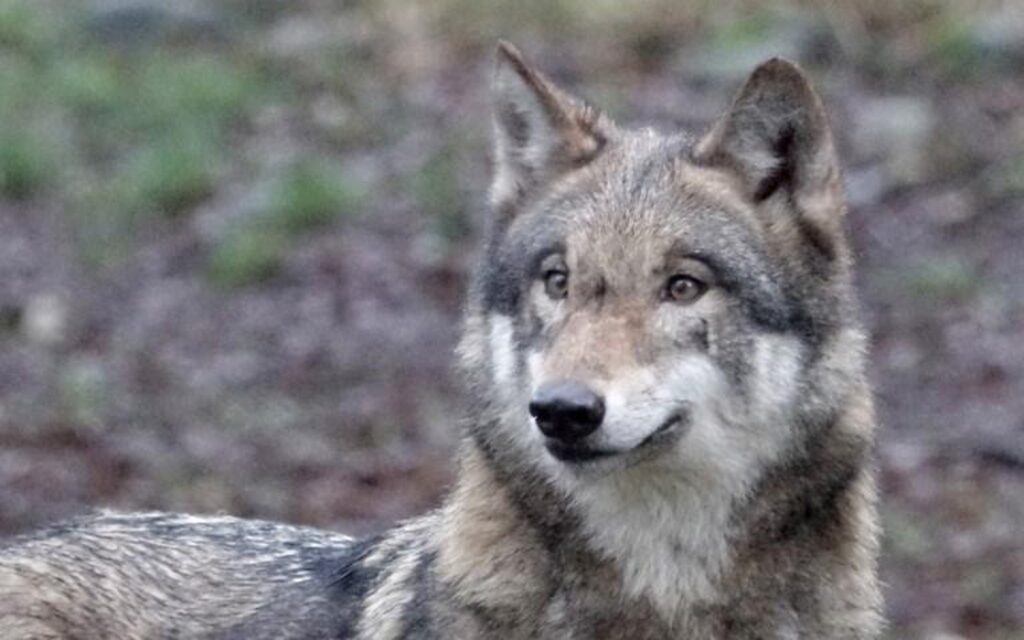
Reports of wolf attacks on animals in Flanders have risen by 17% so far this year, compared to the corresponding period last year, according to figures released on Thursday by the Flemish Agency for Nature and Forests, ANB.
Between 1 January and 21 August, ANB received 34 reports of wolf attacks on animals in Flanders, up from 29 during the same timeframe in 2024.
Jan Loos, of the organisation 'Welcome Wolf,' said this increase was anticipated, citing the birth of wolf cubs to the Limburg she-wolf Naya last year. “The cubs now need to be fed,” Loos explained. “While wolves typically hunt wild prey like deer or wild boar, they occasionally target easier prey such as Shetland ponies or sheep.”
Animal owners who suspect a wolf attack are urged to report it to ANB. “We aim to collect DNA evidence within 24 hours to verify whether a wolf is involved,” said ANB Spokesperson Frank Van Swalm. Most attacks occur because enclosures are not “wolf-proof,” he added.
Noting that the number of attacks in Antwerp Province, home to just one wolf, was disproportionately high, the ANB attributed this to insufficient investment in proper wolf-resistant fencing in the area.
In addition to inadequate wolf-proof enclosures, Loos identified poor long-term planning by the government as a contributory factor to the attacks. Overhunting of natural prey, such as deer and wild boar, also exacerbates the issue by forcing wolves to seek alternative food sources.
“The question isn’t 'if' your pet will be attacked, but 'when,' Loos warned. “If you haven’t installed protective measures, it’s a matter of negligence.”
