
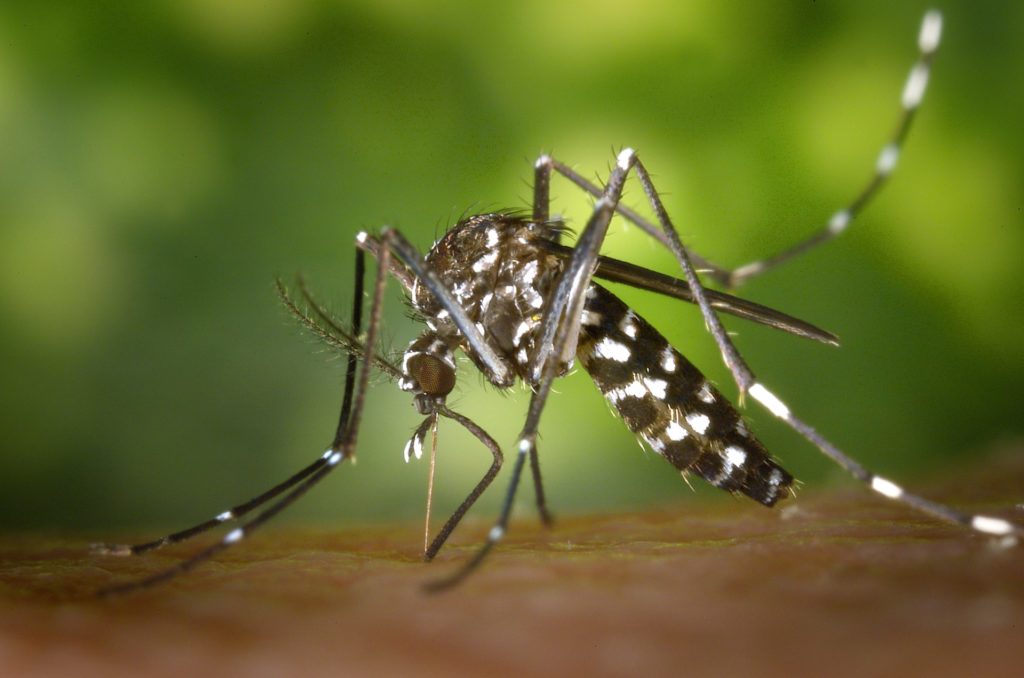
Tiger mosquitoes, a species capable of transmitting dangerous viruses, have been detected in seven Belgian municipalities this season, with some populations surviving the winter, according to Sciensano and the Institute of Tropical Medicine (ITG).
Using field inspections and a public reporting platform called MuggenSurveillance, Sciensano is mapping the presence of tiger mosquitoes across the country. While monitoring continues until the end of October, seven locations have already been identified in 2025. Etterbeek, a municipality in Brussels, is a new addition to the list, alongside previously documented areas like Hoegaarden, Merelbeke-Melle, Kessel-Lo, and Ath.
Tiger mosquitoes are an invasive species known for their ability to transmit viruses such as dengue, chikungunya, and Zika. Monitoring efforts are especially vital as an increasing number of these mosquitoes are surviving the winter months in Belgium. For the first time, the species has been present year-round in Sint-Joost-ten-Node and Wijnegem. Additionally, it has previously overwintered in other municipalities, including Hoegaarden, Wilrijk, Ath, and Lebbeke. “Understanding the mosquitoes’ overwintering behaviour is crucial for assessing risks and adjusting control strategies,” Sciensano stated.
To combat the spread of tiger mosquitoes, the ITG and Sciensano, in collaboration with the Flemish Agency for Nature and Forests (ANB), are intensifying efforts during August and September. The ANB has enlisted pest control company Rentokil to support these initiatives. “The likelihood of eradicating the mosquito from our region is slim, but delaying permanent establishment is still a priority,” said Dominique Debie of Rentokil.
Public participation remains a key part of mapping the tiger mosquito population. “The season is not yet over, and we continue to rely on the public’s contributions to aid monitoring efforts,” said Javiera Rebolledo Tomero, an epidemiologist at Sciensano.
